 Sobrelias Revista Digital del vino y el enoturismo


Baigorri Winery
The wine tourism sector faces an uncomfortable but urgent challenge: visitors arrive exhausted, and the last thing they want is another lecture
There is a scene that plays out across the world’s principal wine routes with a regularity that ought to unsettle the industry. A group of tourists arrives at their fourth or fifth winery of the day. Their feet ache, their palates are somewhat blunted, and their heads are filled with data about terroirs, grape varieties, and winemaking techniques. The guide begins to speak about the estate’s history, soil type, and the characteristics of the vintage. The visitors nod with a slightly distant look. By the end of the tasting, many leave without purchasing a single bottle.This diagnosis — as uncomfortable as it is accurate — sits at the heart of the debate that is shaking wine tourism in the opening weeks of 2026. The argument begins from a simple observation: visitors who arrive tired at their fifth winery of the day are not there because they have lost interest in wine, but because they no longer want to be taught about it. The solution that a growing number of forward-thinking estates are exploring carries a name that sounds more like the gaming industry than the wine trade — but which is delivering concrete, measurable results: gamification.
The concept itself is not new. The entertainment industry has known for decades that turning a task into a game multiplies motivation, attention, and the participant’s satisfaction. What is happening now is that the most progressive wineries are beginning to apply that logic to their visitor experiences, with striking outcomes: more spontaneous positive reviews, stronger brand retention, and — most importantly from a commercial standpoint — more bottles finding their way into the visitor’s shopping bag on the way out.
What does gamification actually look like inside a winery? The formats vary considerably. Some estates opt for visual identification games in which visitors must spot symbolic elements linked to the estate’s history — objects or details concealed within the production spaces. Others organise treasure hunts through the vineyards, with clues hidden between rows of vines or in the winemaking areas, requiring visitors to move physically through the space and notice details that would otherwise pass unobserved. There are even wineries that have turned their own installations into a kind of board game: barrels become the setting for challenges and riddles; stacked bottles are transformed into puzzles to be solved. The environment, which until now has functioned as a mere backdrop for the tasting, becomes the heart of the experience.
The impact of these changes on visitor behaviour goes well beyond the anecdotal. Wineries that have implemented this kind of dynamic report that their guests generate online reviews spontaneously and at a far higher rate than those who participate in traditional tastings. The logic is straightforward: one does not necessarily post on Instagram a photograph from a formal tasting, but one very much does share the moment of solving an enigma amongst ageing barrels, or finding the final clue of a vineyard treasure hunt just before sunset.
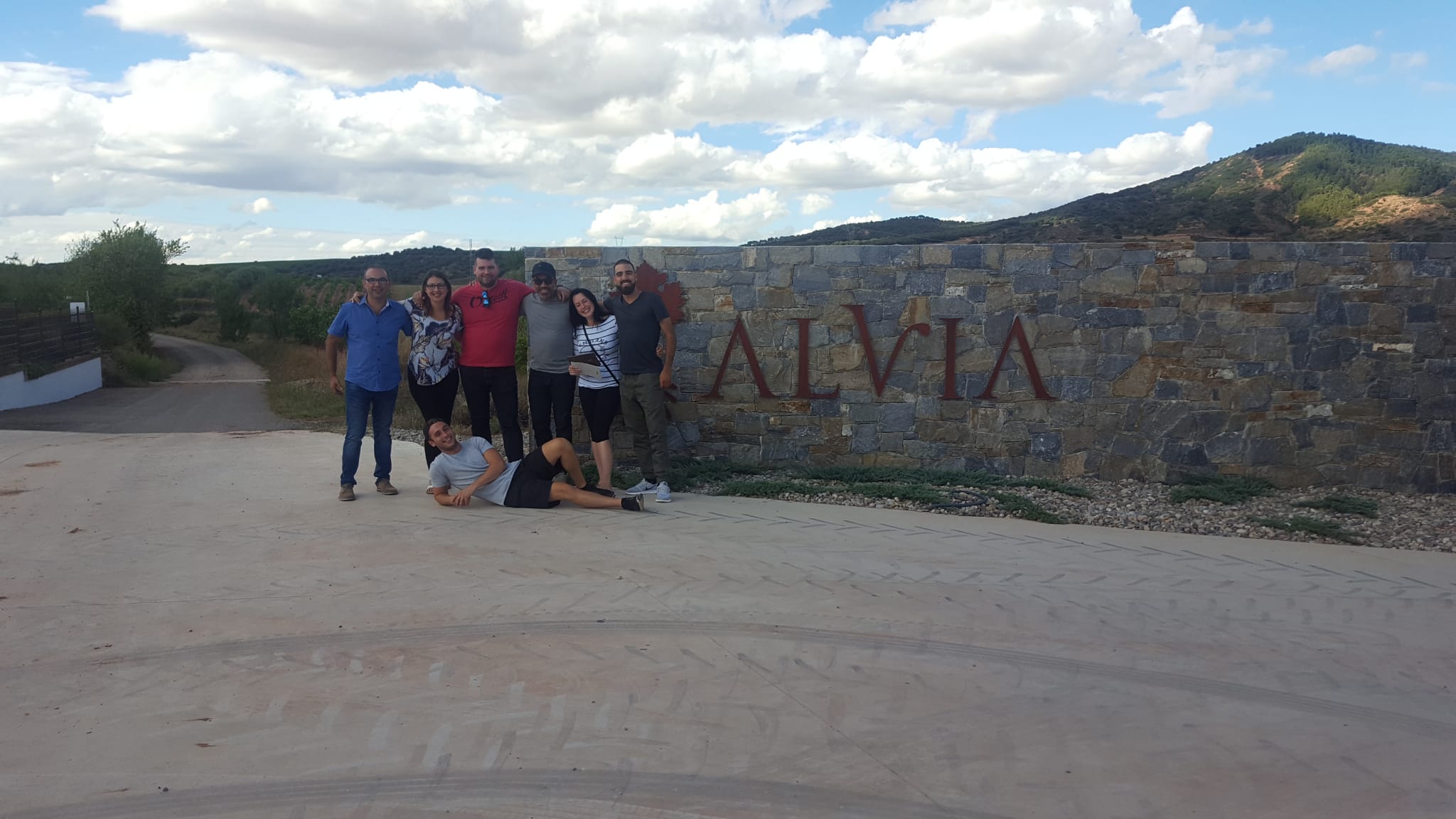
Wine Tourism and Gamification
Gamification also responds to something that the Global Wine Tourism Report 2025 — produced by Geisenheim University in collaboration with the UNWTO and the OIV — had already identified as a structural trend: visitor expectations are shifting steadily towards immersive experiences that connect them emotionally with the people and stories behind the winery. The purchase of a bottle at the end of the visit becomes, in this context, the natural consequence of having lived through something genuinely memorable — not the explicit objective of a sales pitch.
None of this requires abandoning oenological education. The point is rather more subtle: knowing how to read when a visitor wants to learn, and when they simply need to enjoy themselves. Both impulses can coexist, and the shrewdest wineries are learning to alternate between them with fluency. A sensory aroma-identification challenge can prove more instructive than a technical explanation of malolactic fermentation — and it is considerably more entertaining in the process.
In a context where the wine sector has spent years watching with concern as alcohol consumption among younger adults continues to fall, gamified wine tourism may represent one of the most effective bridges towards that audience. The aim is not to trivialise wine or to turn the winery into a theme park, but to understand that the gateway to wine culture need not always take the form of a formal tasting. Sometimes, a well-crafted riddle amongst century-old vines is worth more than any discourse on terroir.
📲 SOCIAL MEDIA HASHTAGS: #WineTourism #Gamification #WineryExperience #WineTravel #EnoTourism #ExperientialWine #WineryVisit #WineRoute #WineMarketing #NextGenWine #WineLovers #VisitWinery #WineTrails #ImmersiveExperience #WineInnovation

Sobrelías Redacción
Sobrelías Redacción