 Sobrelias Revista Digital del vino y el enoturismo

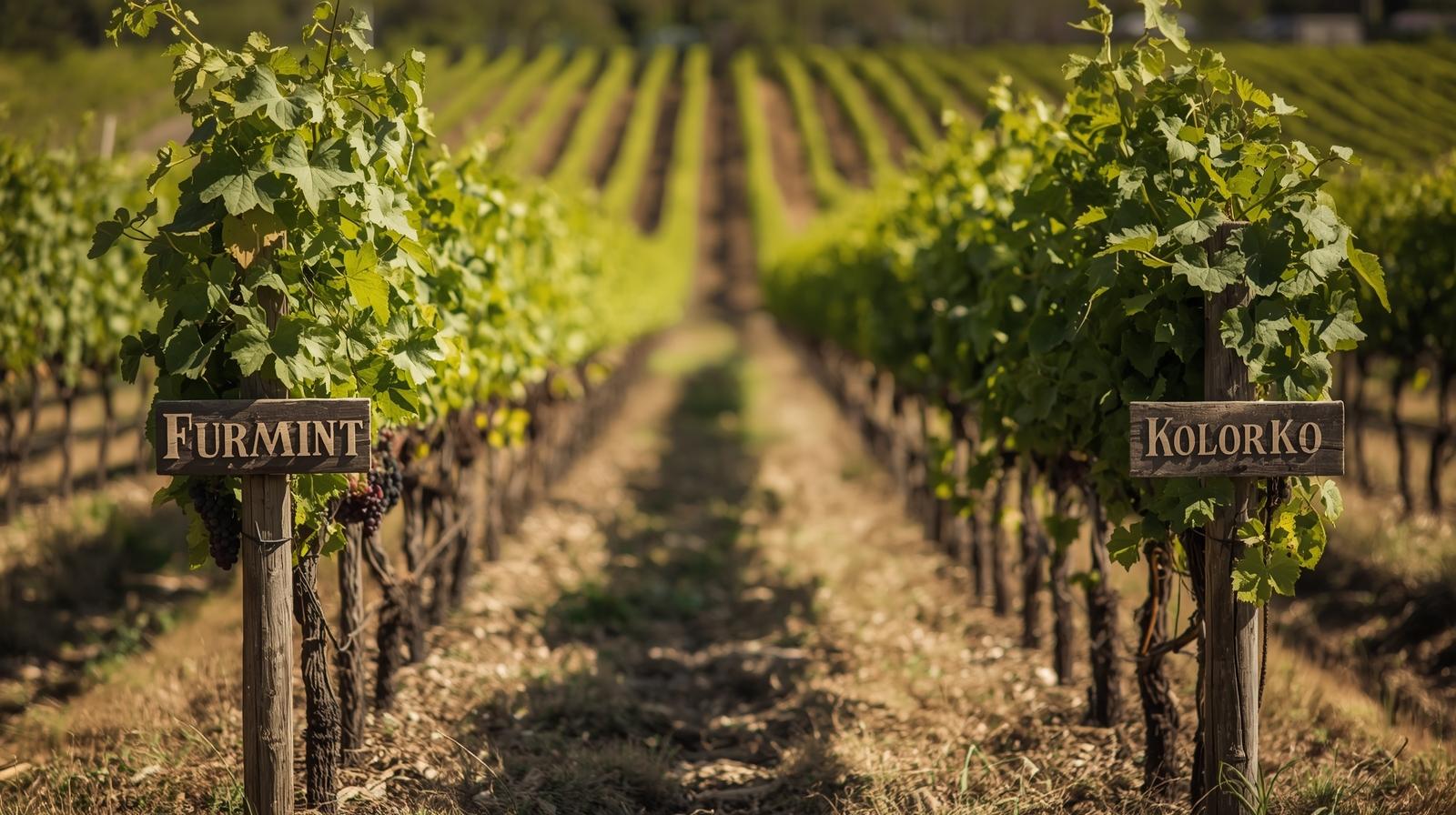
A genetic analysis has confirmed that the Kolorko grape variety, cultivated in Turkey, and Hungarian Furmint are in fact the same vine. The finding establishes an unexpected link between two apparently distant winemaking traditions.
Scientific confirmation
Swiss geneticist José Vouillamoz carried out the DNA profiling that revealed this genetic identity. The Kolorko samples were provided by Seyit Karagözoğlu, head of the Paşaeli winery, and the results were verified through repeated independent tests to ensure accuracy.
Kolorko is currently grown in the Thracian region of Turkey, specifically in the area between Şarköy and Tekirdağ, a territory strongly influenced by the maritime conditions of the Sea of Marmara.
Kolorko – Furmint, an 18th-century historical connection
Karagözoğlu and István Szepsy Jr, a renowned Furmint producer in the Tokaj region, suggest a historical explanation that places the origin of this connection in the early 18th century.
After being defeated by the Habsburgs in 1708, Hungarian Prince Francis II Rákóczi, a key figure in the Magyar independence movement, went into exile. His journey took him first to Poland and France, until he finally settled in Ottoman territory, specifically in Tekirdağ (then known as Rodosto). He was accompanied by a large group of Hungarian nobles.
Whilst no written records certify the transport of vine cuttings, this historical context offers a coherent framework for understanding how Furmint may have reached Turkish lands during that period.
Rescue of an endangered variety
In recent decades, Kolorko was on the brink of disappearing from Turkish vineyards. The conservation work carried out by Paşaeli Winery over two decades enabled the variety to be saved. Since 2009, this winery has been producing a single-varietal wine from these grapes.
Assessments
«This finding evidences the profound links between wine and European history,» notes Vouillamoz. «Kolorko and Furmint share genetics, but their wines tell different stories shaped by different climates, cultures and eras.»
For his part, István Szepsy Jr highlights the value of the discovery: «The identification of Kolorko as Furmint constitutes an exceptional example of how contemporary genetics can recover lost chapters of wine history, connecting Hungary and Turkey through a common viticultural legacy spanning more than three centuries.»
The finding opens up the possibility of organising comparative tastings between wines made from Kolorko and Furmint in the future, which would allow one to appreciate how the same genetic material expresses different characteristics according to its environment.

Sobrelías Redacción
Sobrelías Redacción