


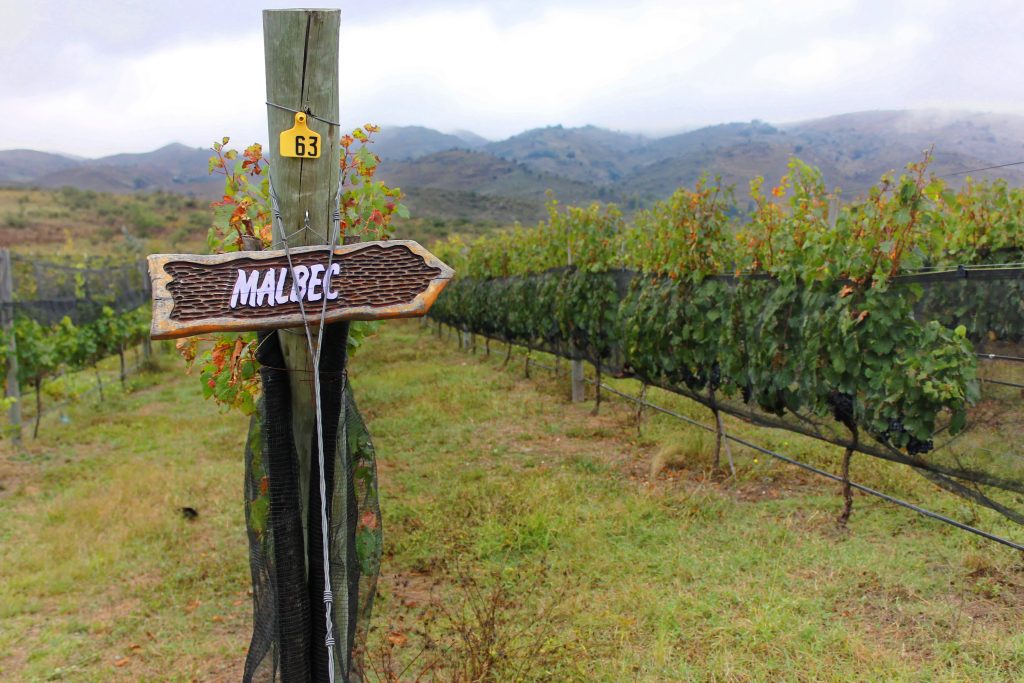
The World’s Great Wine Routes (VII): «Mendoza and Salta, Malbec Among the Andes»
A Definitive Guide for the Wine Tourist
The Vineyard of the Cordillera
Mendoza leads the development of wine tourism in Argentina, with more than 200 wineries open to visitors, world-class hotel infrastructure, domestic and international air connectivity, and a growing range of experiences in high-altitude vineyards at the foot of the Andes mountain range.
The province produces more than 70% of Argentina’s wine, and the grape variety that made it famous worldwide is Malbec. Originally from southwestern France, it found in Mendoza the perfect conditions to reinvent itself — alluvial soils, altitudes ranging from 800 to 1,500 metres, intense sunshine, and extreme temperature swings between day and night — and to become the quintessential Argentine wine.
The three main wine zones are Maipú (the most traditional, home to century-old wineries), Luján de Cuyo (considered the cradle of Argentine Malbec), and the Uco Valley (the innovative frontier, with vineyards reaching up to 1,500 metres above sea level).
Essential Wineries
Catena Zapata (Luján de Cuyo) is the greatest ambassador of Argentine wine in the world. Its architecture inspired by Mayan pyramids and its globally acclaimed wines make this a must-visit experience. It was named World’s Best Vineyard 2023.
Bodega Trapiche (Maipú) blends history and innovation: its Renaissance-style building dates back to 1912 and is one of the icons of Argentine wine architecture. The Espacio Trapiche restaurant, led by chef Lucas Bustos, offers an outstanding gourmet country menu.
Salentein (Uco Valley) is perhaps the most visually stunning winery: the combination of its raw concrete architecture, a distinctive interior featuring a private chapel, and the breathtaking Andean backdrop make it an unmissable stop. Its restaurant was named Best Restaurant at a Winery at the Best Of Wine Tourism awards.
Domaine Bousquet (Gualtallary, Uco Valley) is the benchmark for organic viticulture in the region, and has just expanded its offer with Gaia Lodge, a seven-room boutique hotel set in the heart of the vineyards.
Further north, in Salta and Cafayate, the wine adventure reaches extremes: vineyards at 2,400–2,800 metres above sea level produce premium Torrontés — Argentina’s only unique aromatic white wine, fresh, fruity, dry, and vibrant in acidity. The Quebrada de Humahuaca, a UNESCO World Heritage Site, adds a cultural dimension spanning 10,000 years of history to the journey.
Monuments and Natural Heritage
The landscape of Mendoza has one unrivalled protagonist: Aconcagua, at 6,961 metres the highest peak in the Western Hemisphere, visible from many wineries in the Uco Valley on clear days. The Aconcagua Provincial Park is accessible for trekking at various levels of difficulty.
The city of Mendoza, rebuilt on a grid plan following the earthquake of 1861, features wide tree-lined avenues and plazas that make it one of Argentina’s most pleasant urban destinations.
La Vendimia (the National Grape Harvest Festival), celebrated in February and March, is the greatest cultural festival in the Cuyo region: parades, the election of the Harvest Queen, and a Central Ceremony held at the Frank Romero Day amphitheatre before an audience of 50,000 spectators.
Gastronomy
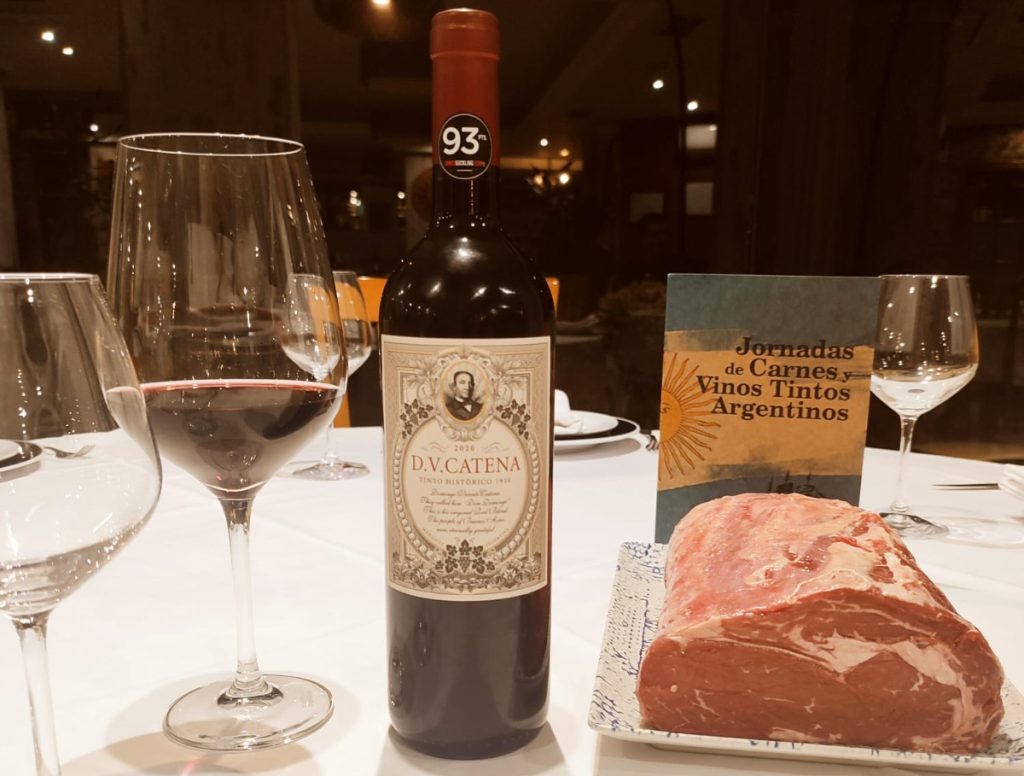
Mendoza’s cuisine is renowned for its bold flavours and regional produce: humita en chala, locro, and slow-roasted kid goat are perfect pairings for the local wines. Winery restaurants offer culinary proposals ranging from traditional cooking to creative fusions with local ingredients.
Chef Francis Mallmann, the most internationally acclaimed Argentine cook in the world, runs his restaurant 1884 in Mendoza, housed inside a historic former winery, where fire and embers take centre stage in a style of Patagonian-Mediterranean cooking that is truly incomparable.

Sobrelías Redacción
Sobrelías Redacción