 Sobrelias Revista Digital del vino y el enoturismo

The World’s Great Wine Routes (V): «La Rioja, Where Spain Invented Its Modern Wine»
A Definitive Guide for the Wine Tourist
The most recognisable appellation in the Spanish-speaking world
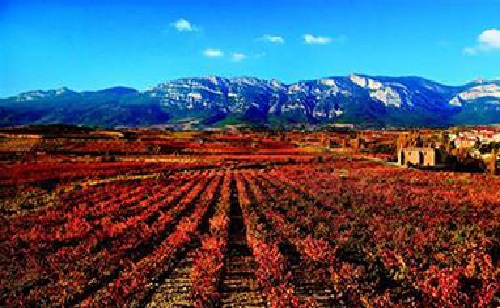
The Rioja Alta Wine Route winds through one of the most emblematic wine-producing areas in existence, the birthplace of some of La Rioja’s most prestigious wines. Its landscape, dominated by sweeping vineyards, is framed by the imposing sierras of Toloño, Cantabria, and La Demanda, whilst the River Ebro meanders through the territory.
In the nineteenth century, La Rioja was the region that gave shape to modern Spanish wine, when French winemakers fleeing the phylloxera blight in Bordeaux crossed the Pyrenees and brought with them the techniques of ageing in oak barrels. Tempranillo, known here as Tinto Fino, is the undisputed star. The DOCa Rioja is the only superior quality appellation in the Spanish system and divides its production into three sub-zones: Rioja Alta, Rioja Alavesa, and Rioja Oriental (formerly Rioja Baja).
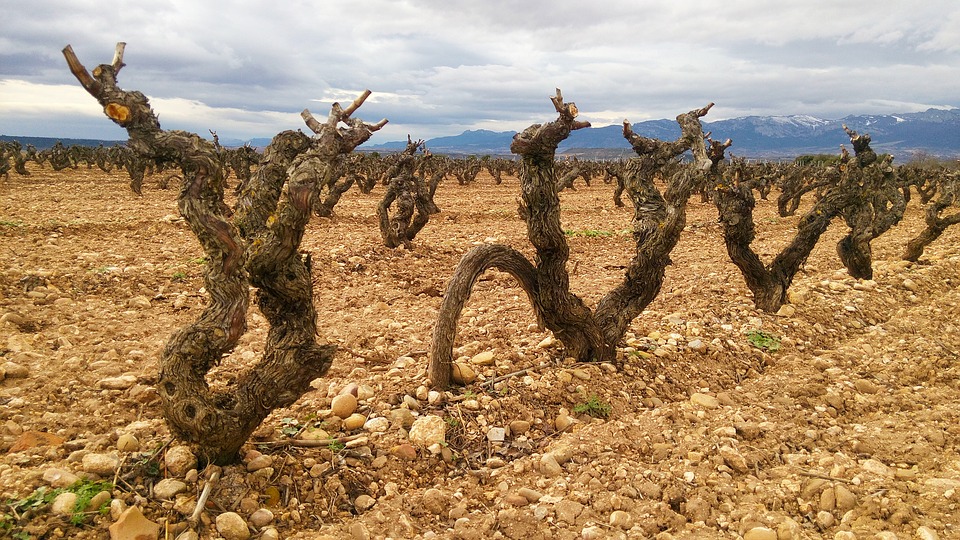
Fuenmayor, La Rioja
Essential Wineries
La Rioja is a land of architectural contrasts. Alongside centuries-old stone wineries, some of the most daring contemporary buildings in the wine world were erected in the late nineteen-nineties. Bodegas Marqués de Riscal (Elciego) was the catalyst: the building designed by Frank Gehry, inaugurated in 2006, is the «Guggenheim of wine», with its bands of undulating titanium that catch the Riojan sun. Bodegas Ysios (Laguardia), designed by Santiago Calatrava, is a wave of wood and aluminium that mirrors the silhouette of the Sierra de Cantabria.
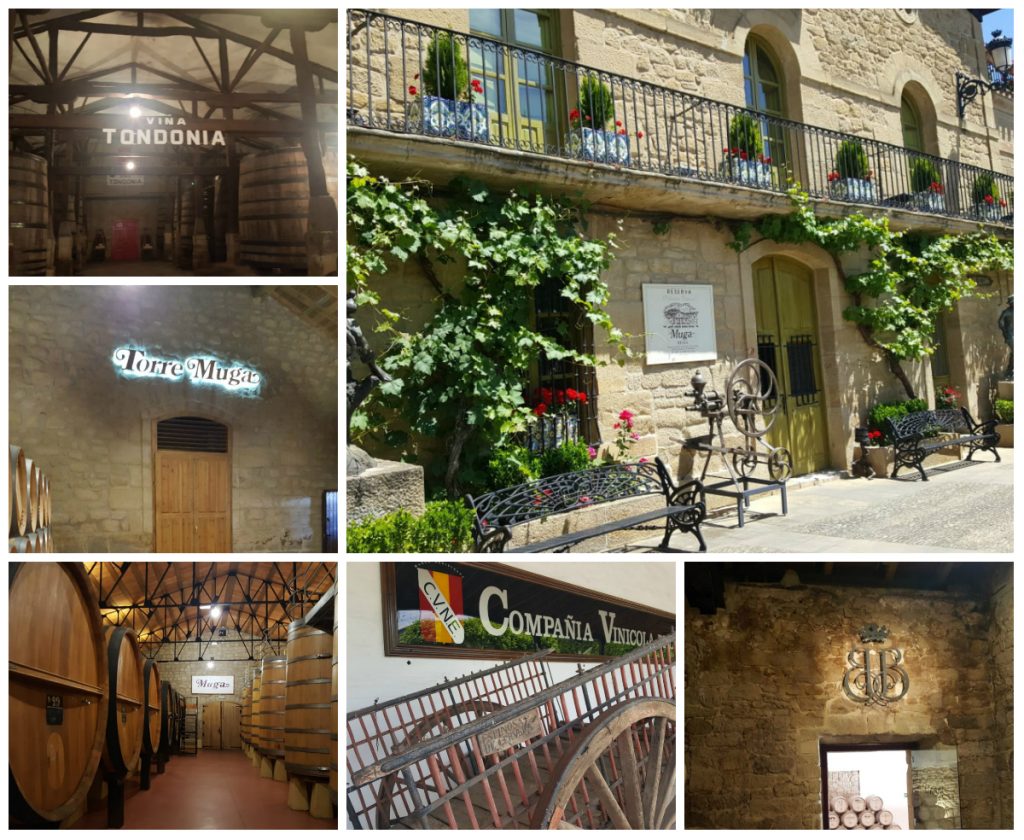
In contrast to this avant-garde architecture, La Rioja Alta SA (Haro) preserves the essence of classic Rioja: long ageing in American oak barrels and wines of an elegant, transparent style. Bodegas Muga, also in Haro, is the last winery in Rioja to manufacture its own oak barrels. López de Heredia (Haro) is the most conservative and fascinating winery in the appellation: its wines spend between six and ten years in barrel, and its white Reservas are unique in the world.
In Logroño, Haro’s Barrio de la Estación is home to some of the most historic wineries in Spain, built alongside the railway in the nineteenth century to facilitate exportation.
Monuments and Heritage
The route passes through Logroño, the regional capital, through Nájera and the Monastery of Santa María la Real — for centuries the pantheon of the Kings of Navarre — and on to Santo Domingo de la Calzada, one of the principal towns along the Camino de Santiago pilgrimage route. The Monastery of San Millán de la Cogolla (a UNESCO World Heritage Site) is where the earliest documented words in Castilian Spanish were written: the Glosas Emilianenses, dating from the tenth century. Laguardia, a walled mediaeval town in Rioja Alavesa, is one of the most beautiful villages in northern Spain: its interior is literally hollow, with kilometres of wine cellars excavated beneath the mediaeval streets.
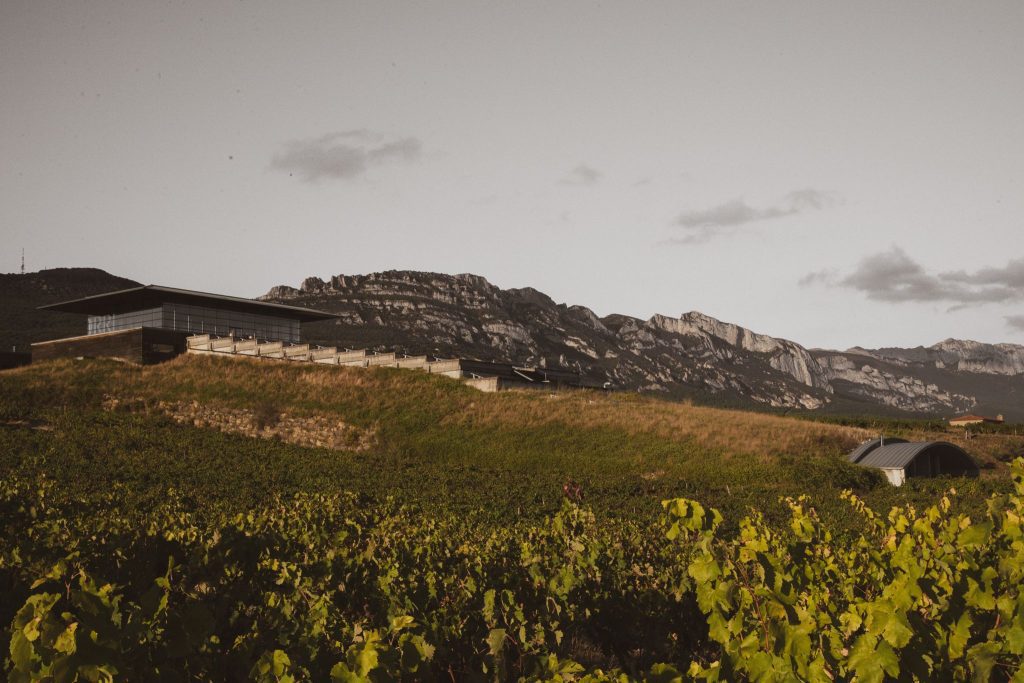
Bodega Baigorri
Gastronomy
This is one of Spain’s great culinary regions. Patatas a la riojana (potatoes with chorizo and paprika), piquillo peppers stuffed with salt cod, and lamb chops grilled over vine shoots are the emblematic dishes. The Camino de Santiago, which crosses La Rioja along its southern edge, left an enormous gastronomic legacy, with mediaeval hostelries that still serve outstanding hearty stews to this day. For those seeking the very highest level, the restaurant Alameda (in Fuenmayor) and Ikea (in Lasarte, just over the border into the Basque Country) are reference points for creative cuisine showcasing Riojan produce.

Sobrelías Redacción
Sobrelías Redacción