 Sobrelias Revista Digital del vino y el enoturismo

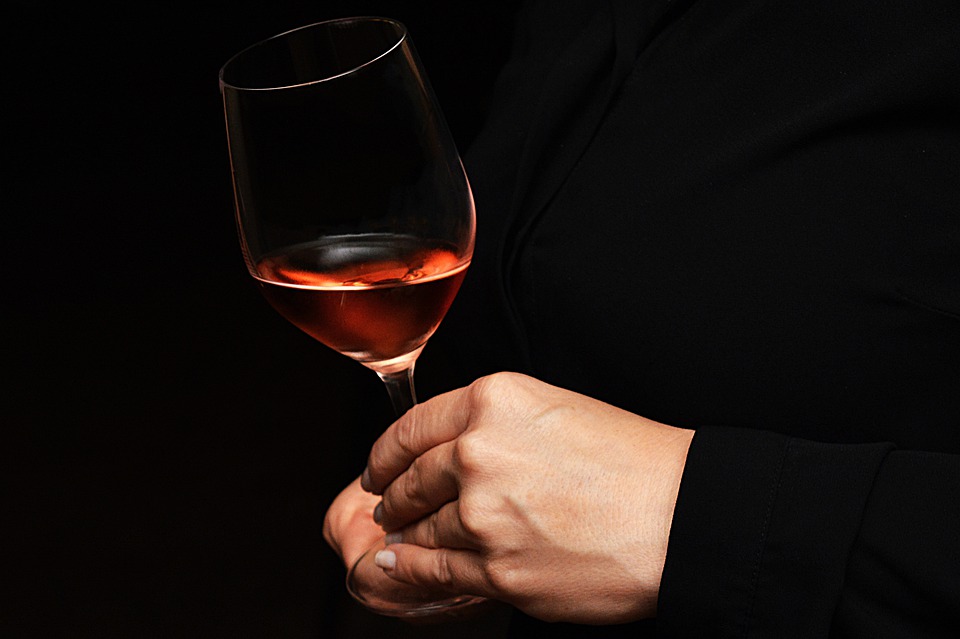
The Return of Claret: Bordeaux Reinvents Itself with a 12th-Century Wine
The News of Wine Paris 2026
One of the most widely discussed developments in the wine world so far this year: the Bordeaux AOC has officially approved a new wine style called “Bordeaux Claret”, linked to the existing Bordeaux appellation. The first bottles bearing this designation will reach the market from the 2025 vintage, seeking to revive a historic style of light red wine that was shipped to Great Britain from the 12th century onwards.The name has mediaeval roots: until the 17th century, Bordeaux wines were far lighter than those produced today. The term “claret” was adopted by the English as a corruption of the local “clairet”. Château Haut-Brion itself used the name in the 17th century to launch a new style with revolutionary techniques, calling it “The New French Claret” to distinguish it from the lighter clarets on the market.
Why Now
Stéphanie Sinoquet, director of the Bordeaux producers’ association, explains that warmer conditions have allowed more consistent grape ripeness, but have also driven alcohol levels upwards, with 15% now common in certain wines. The new designation responds to this climatic reality and to shifting consumer tastes.
Lighter, fruitier, ready-to-drink wines are gaining popularity, especially amongst younger consumers. Bordeaux Claret sits within a broader trend of reviving historic terms and methods, such as Pétillant Naturel and amphora winemaking.
What This New Wine Is Like
Bordeaux Claret is conceived to be drunk young and lightly chilled, between 8°C and 12°C. The style aligns with the decline in conventional red wine consumption in France and Great Britain, and with growing demand for lighter, fruitier wines.
An Intense Debate
The debate within the sector is fierce: not everyone sees Claret as a genuine solution. For some analysts, it is a legitimate market adaptation that acknowledges demand for freshness and drinkability is no longer confined to rosé. For others, the tension with the traditional Clairet — darker and with deeper historical roots — raises real questions about which path producers of the Entre-deux-Mers and more generic Bordeaux will ultimately follow.

Sobrelías Redacción
Sobrelías Redacción