 Sobrelias Revista Digital del vino y el enoturismo


The Great Wine Routes of the World (II): Champagne — The Kingdom of Bubbles
A definitive guide for the wine tourist
A wine that is also a state of mind
Champagne is not merely a drink. It is a territory, a legally protected designation of origin recognised worldwide, and a way of life. From the regions of Bordeaux and Burgundy to the Rhône Valley and Champagne itself, France offers a wealth of flavours and aromas reflecting the diversity of its winemaking heritage. Within this map, Champagne stands as the land of celebration.
The region is organised around three principal areas: the Montagne de Reims (where Pinot Noir reigns on the southern slopes), the Marne Valley (the heartland of Pinot Meunier), and the Côte des Blancs (the exclusive stronghold of high-acidity Chardonnay). The cities of Reims and Épernay serve as the twin capitals of sparkling wine.
Essential Wineries
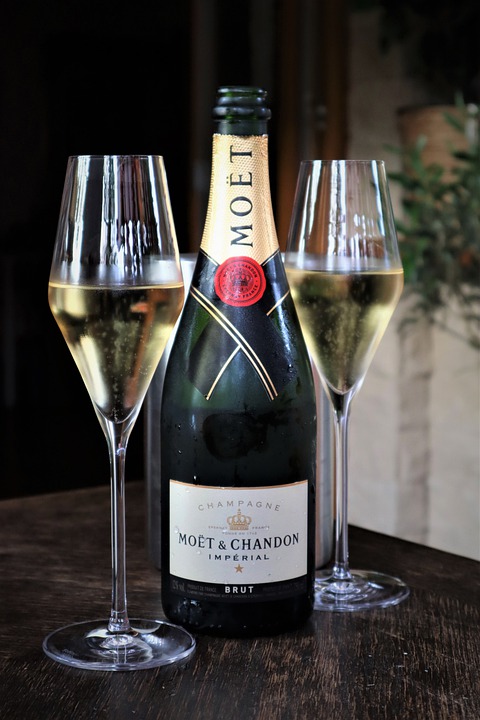
The great Champagne Maisons have their headquarters in Reims and Épernay, and most offer guided visits. In Reims, highlights include Veuve Clicquot — whose underground chalk galleries (the crayères) are a UNESCO World Heritage Site — as well as G.H. Mumm, Pommery, and Taittinger, whose cellars lie within ancient Roman chalk pits. In Épernay, the Avenue de Champagne gathers some of the most legendary houses, including Moët & Chandon, Perrier-Jouët, and Pol Roger. At the most exclusive end of Champagne wine tourism are the small récoltant-manipulant estates (grower-producers who cultivate their own vineyards), such as Egly-Ouriet and Jacquesson, offering intimate tastings in a family setting.

Monuments and Heritage
The Cathedral of Notre-Dame de Reims, where 33 kings of France were crowned and where Joan of Arc accompanied Charles VII, is one of the most impressive Gothic monuments in the world. The city also preserves the Palace of Tau, the former archiepiscopal residence where monarchs stayed during coronations, now a UNESCO World Heritage Site together with the cathedral. In Épernay, the Champagne Museum and the Avenue de Champagne itself — with its neoclassical façades — deserve an entire afternoon. Nearby, the Montagne de Reims Regional Natural Park offers walking trails through vineyards and oak forests, with spectacular views over the patchwork of vine parcels.

Gastronomy
Champenois cuisine has a clear protagonist: Champagne itself, incorporated into sauces, fondues, and marinades. Andouillettes de Troyes (traditional offal sausages with their own designation), Alsatian foie gras (the region borders Alsace), Brie de Meaux cheeses, and choucroute (sauerkraut served with meats) are common companions. For a more luxurious experience, the restaurant L’Assiette Champenoise (three Michelin stars, near Reims) offers one of the finest tasting menus in the region.

Sobrelías Redacción
Sobrelías Redacción