

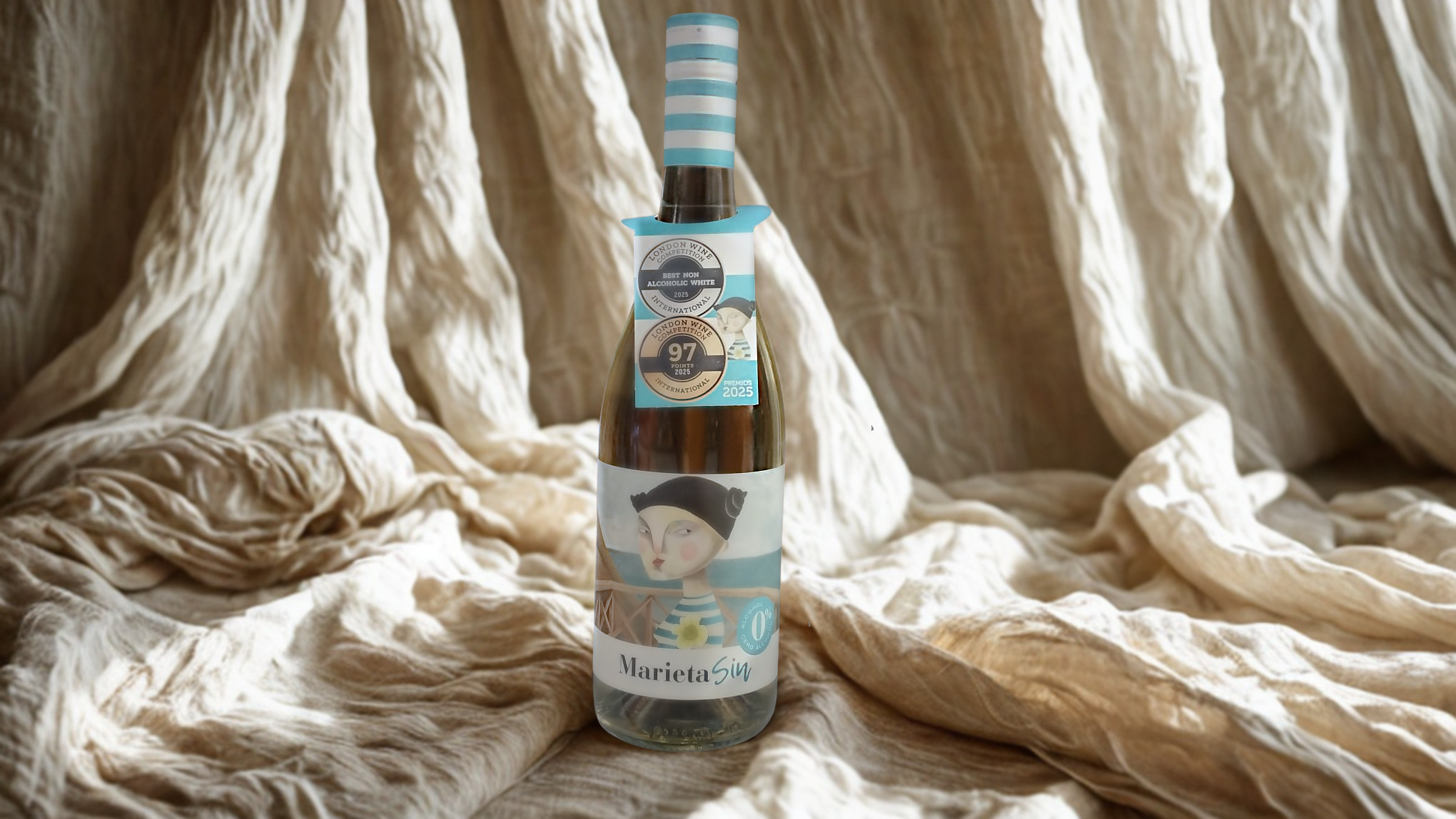

NON-ALCOHOLIC WHITE WINES
Freshness and elegance without alcohol: everything you need to know
Non-Alcoholic White Wine: The Category’s Greatest Achievement
If there is one style of dealcoholized wine that has reached technical and organoleptic maturity most rapidly, it is undoubtedly white wine. The reasons are technical: whites depend far less than reds on alcohol as a vehicle for structure and tannins. In white wines, what shines are the varietal aromas — flowers, fruits, minerals — and acidity, two qualities that modern dealcoholization processes preserve with remarkable effectiveness.
The result is that today there are non-alcoholic white wines that comfortably outperform mid-priced conventional wines in a blind tasting. This makes them the most natural and satisfying entry point for anyone approaching this category for the first time.
Non-alcoholic white wine is the most recommended option for those beginning their journey into dealcoholized wines, thanks to its freshness and fidelity to the original.
The Most Successful Grape Varieties for Non-Alcoholic Whites
Not all varieties behave the same way during the dealcoholization process. The most successful are those with a highly pronounced aromatic profile, as they can afford some loss of intensity without becoming empty of expression:
Riesling: the great winner. Its citrus, floral, and mineral notes hold up very well through dealcoholization. The German winery Leitz is the world reference in this style.
Gewürztraminer: a highly aromatic variety with notes of rose, lychee, and spice. Ideal for non-alcoholic sparkling wines and aperitif-style whites.
Sauvignon Blanc: its herbaceous and citrus notes are well preserved. Produces refreshing whites with a recognizable profile.
Albariño: a Galician variety of great aromatic intensity, very well suited to dealcoholization. Some Spanish producers are beginning to explore this direction.
Verdejo: a Castilian variety that brings freshness and personality. Very promising in non-alcoholic versions.
Muscat: used in aromatic and semi-sweet whites, it retains its floral expression and natural sweetness very effectively.
The Best Non-Alcoholic White Wine Brands
| Brand | Variety | Country | Tasting Notes | Price |
|---|---|---|---|---|
| Leitz Eins-Zwei-Zero White | Riesling | Germany | Citrus, floral, mineral, long finish | €8–12 |
| Torres Natureo Blanco | Muscat / Gewürz. | Spain | Fruity, floral, fresh, light | €5–7 |
| Carl Jung White | Riesling | Germany | Citrus, balanced, straightforward | €4–6 |
| Lussory Blanco | Airén / Sauvignon B. | Spain | Fresh, fruity, good acidity | €7–9 |
| Oddbird Blanc de Blancs | Chardonnay | Sweden/France | Butter, apple, complex | €12–16 |
| Eisberg White | Sauvignon Blanc | Germany | Simple, fruity, affordable | €3–5 |
| Noughty White | Chardonnay | Syria/UK | Green apple, fresh, clean | €10–13 |
Leitz Eins-Zwei-Zero Riesling is the undisputed benchmark of the premium segment. Made from grapes grown in Germany’s Rheingau and dealcoholized using spinning cone technology, it maintains a remarkable fidelity to the original Riesling. For those seeking the best quality-to-price ratio on the Spanish market, Torres Natureo Blanco remains a choice that is very hard to beat.
Food Pairing for Non-Alcoholic White Wines
Non-alcoholic whites are the most versatile of all styles when it comes to food pairing. Their fresh, fruity profile makes them ideal companions for an exceptionally wide range of dishes:
Shellfish and mollusks: oysters, clams, cockles, steamed mussels.
White fish: sea bass, sea bream, hake baked or grilled.
Sushi and sashimi: the acidity of the white wine cleanses the palate between bites.
Salads with citrus dressings or vinaigrette.
Fresh cheeses: mozzarella, ricotta, goat’s cheese.
Light Asian cuisine: dim sum, spring rolls, noodles with vegetables.
White asparagus, artichokes, and steamed or grilled vegetables.
Aperitif tapas: anchovies in vinegar, croquettes, prawns in garlic oil.
Ideal serving temperature: between 7 and 10°C. Well chilled, non-alcoholic white wine shows all its freshness and keeps its floral profile on the nose.
A particularly elegant pairing, perfect for a summer dinner, is a Leitz non-alcoholic Riesling alongside a lobster salad with lemon and fresh herbs. The wine’s mineral acidity enhances the natural sweetness of the shellfish magnificently.
Non-Alcoholic White Wine in the Kitchen
Beyond the glass, non-alcoholic whites can also be incorporated into cooking with excellent results. Their acidity and aromas work well in fish sauces, risottos, shellfish cooking stocks, and marinades for chicken or vegetables. Since any alcohol present would evaporate during cooking anyway, using a non-alcoholic white in the kitchen involves no organoleptic compromise whatsoever in the final result of the dish.
Where to Buy
Torres Natureo Blanco is available in virtually all major Spanish supermarkets. For Leitz, Oddbird, or Noughty, the most comprehensive option is the online channel: platforms such as Uvinum, Vinissimus, or Amazon España offer delivery within 24–48 hours at competitive prices, with the option to purchase in multi-bottle cases. Some wine shops and gourmet food stores in medium and large cities have also begun stocking these wines as part of their regular offer.
Conclusion
Non-alcoholic white wine today represents the state of the art in the dealcoholized category. Technically accessible, organoleptically satisfying, and gastronomically versatile, it is the perfect choice both for those experimenting for the first time and for those seeking a quality everyday alternative. With brands like Leitz and Natureo, the equation is settled: all the pleasure of white wine, without the alcohol.

Sobrelías Redacción
Sobrelías Redacción