



The World’s Great Wine Routes (XII): Alsace and the Moselle Valley, Fairytale Villages and Eternal Riesling
A definitive guide for the wine tourist
Two routes, one shared Germanic magic
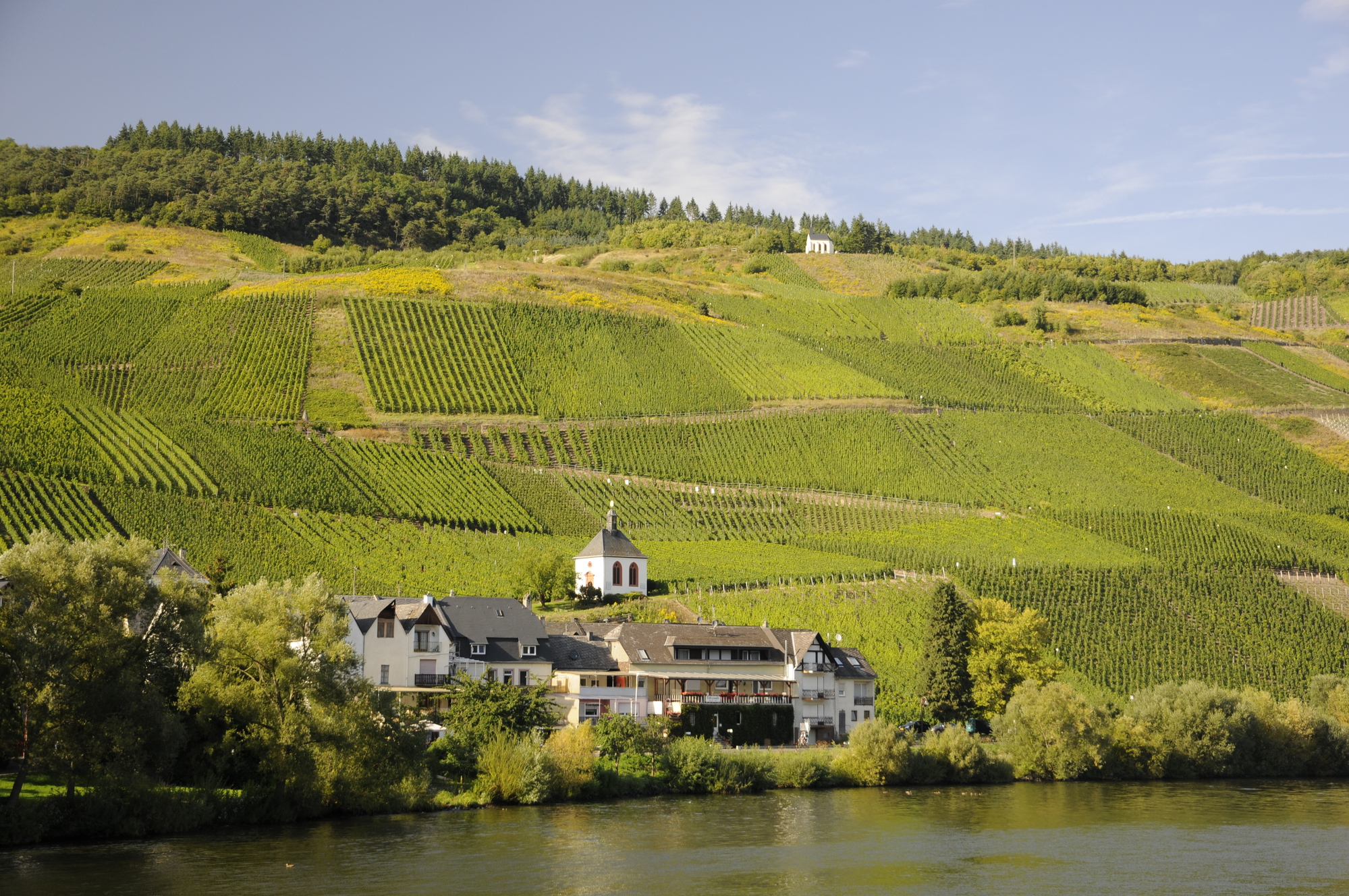
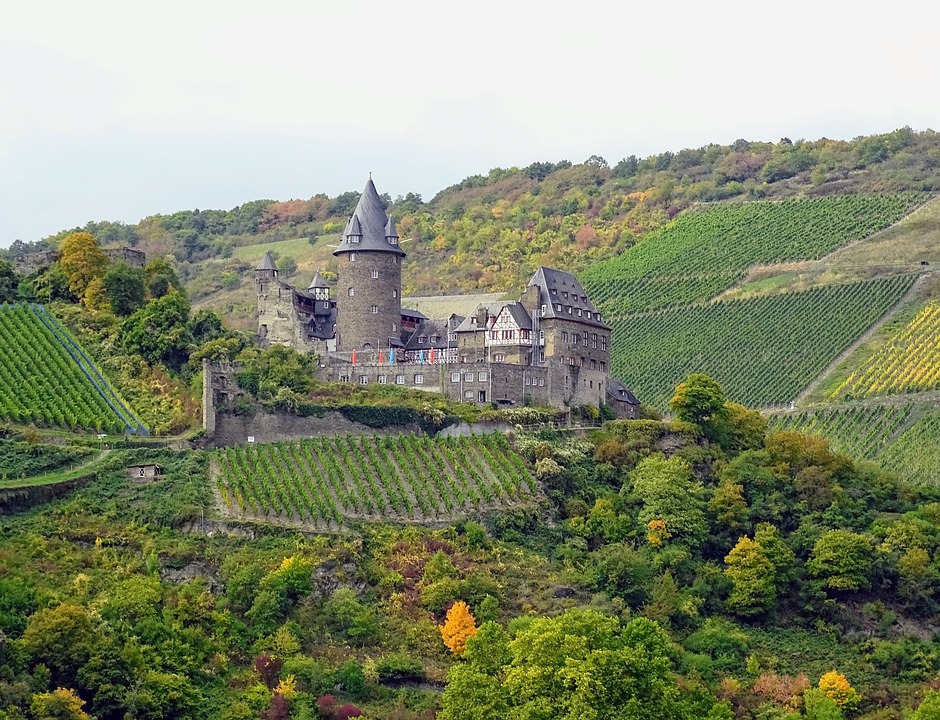
Alsace and the Moselle offer two distinct yet perfectly complementary experiences within a single journey. Alsace is French with a German soul: its brightly coloured half-timbered houses, Christmas markets, strudels and Riesling are unmistakable. The Moselle is German with a medieval soul: its castles perched above the river, its vineyards clinging to the steepest slopes in Europe, and its vibrantly acidic Riesling are truly unique in the world.
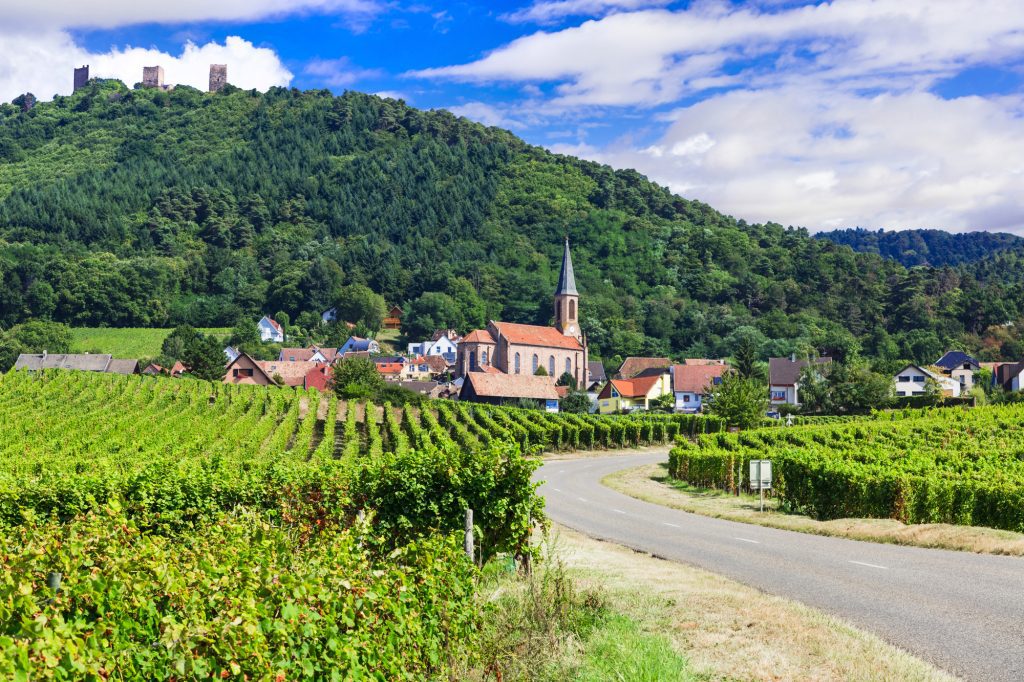
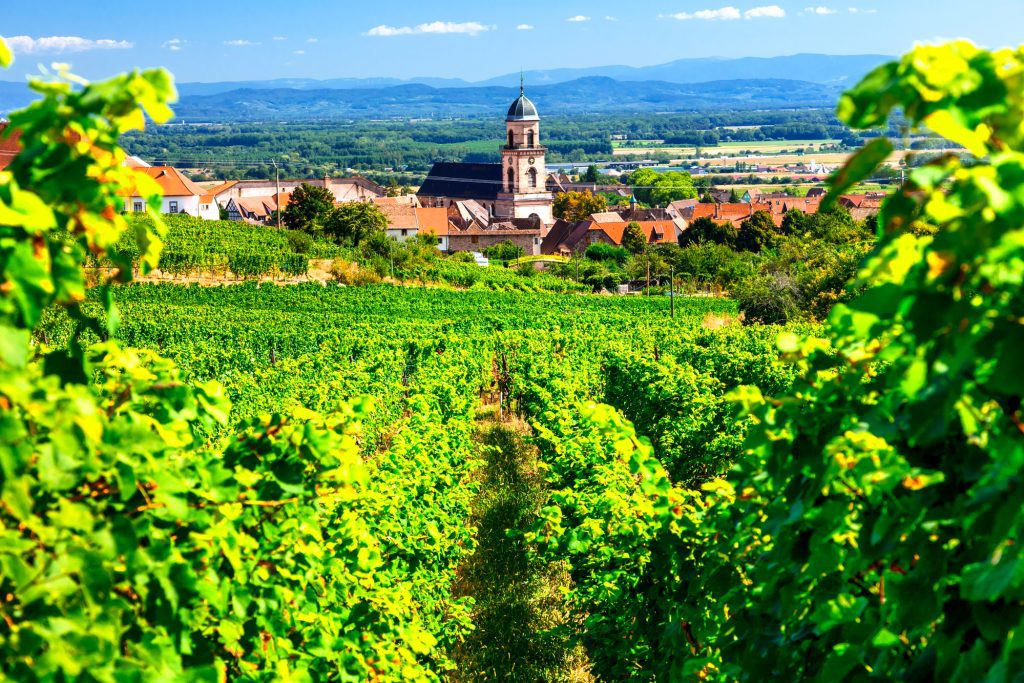
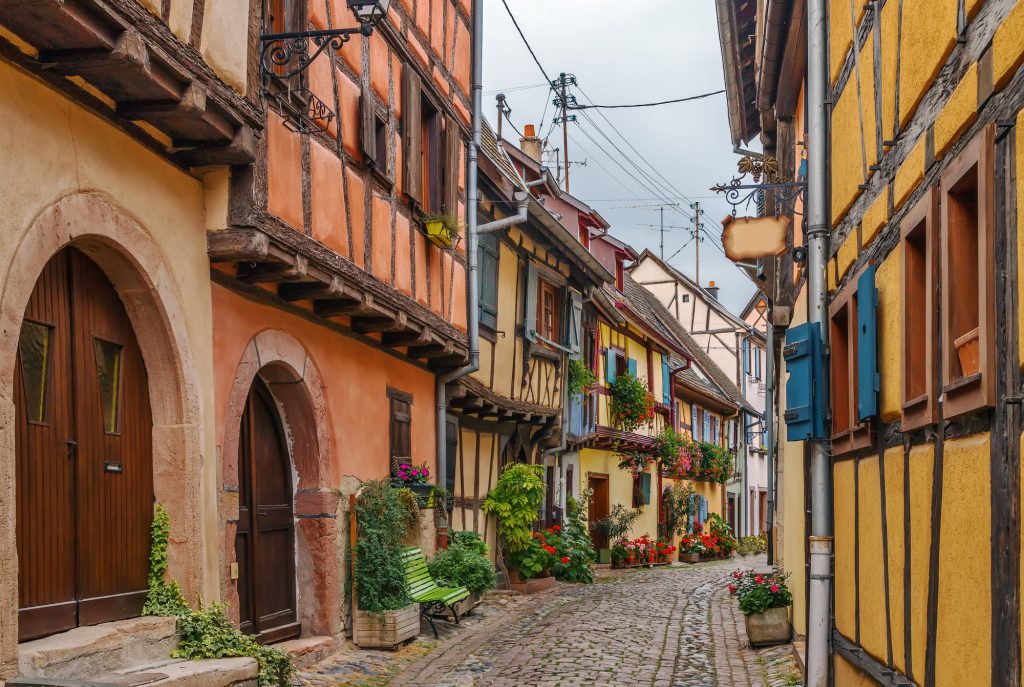
The Alsace Wine Route is the oldest in France, created in 1953, and stretches for 170 kilometres between Marlenheim and Thann, winding through centuries-old vineyards and passing through medieval villages ranked among the most beautiful in France. Towns such as Riquewihr, Eguisheim, Ribeauvillé and Kaysersberg are essential stops.
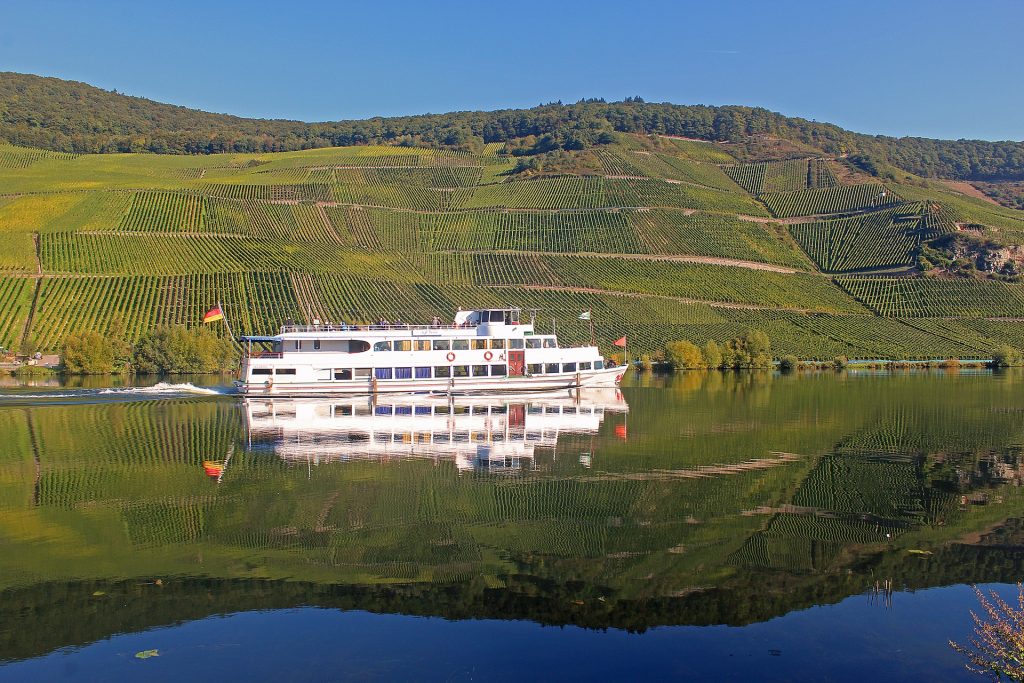
On the German side, the Moselle is home to the country’s oldest wine region: the Romans were already cultivating vines along the Moselle River 2,000 years ago, and it is here that Europe’s steepest vineyards can be found. After Burg Eltz Castle, the traveller continues along the river through picturesque wine villages such as Cochem, Traben and Bernkastel-Kues, eventually reaching Trier, an ancient Roman city with more than 2,000 years of history.
Must-visit wineries
In Alsace: Domaine Trimbach (Ribeauvillé) and Hugel & Fils (Riquewihr) are leading names in Alsatian Riesling, producing dry wines with outstanding ageing potential. Domaine Bott-Geyl (Beblenheim) is a benchmark for the most exotic and perfumed Gewürztraminer. Albert Boxler (Kaysersberg) works biodynamically and produces Rieslings of legendary complexity. Dopff au Moulin (Riquewihr) is the benchmark for Crémant d’Alsace, the local traditional-method sparkling wine.
In the Moselle, the great names include Joh. Jos. Prüm (Wehlen), whose Wehlener Sonnenuhr is one of the most revered Rieslings in the world; Dr. Loosen (Bernkastel); and Egon Müller (Wiltingen, in the Saar), whose Scharzhofberger can fetch up to €10,000 per bottle at auction.

Monuments and heritage
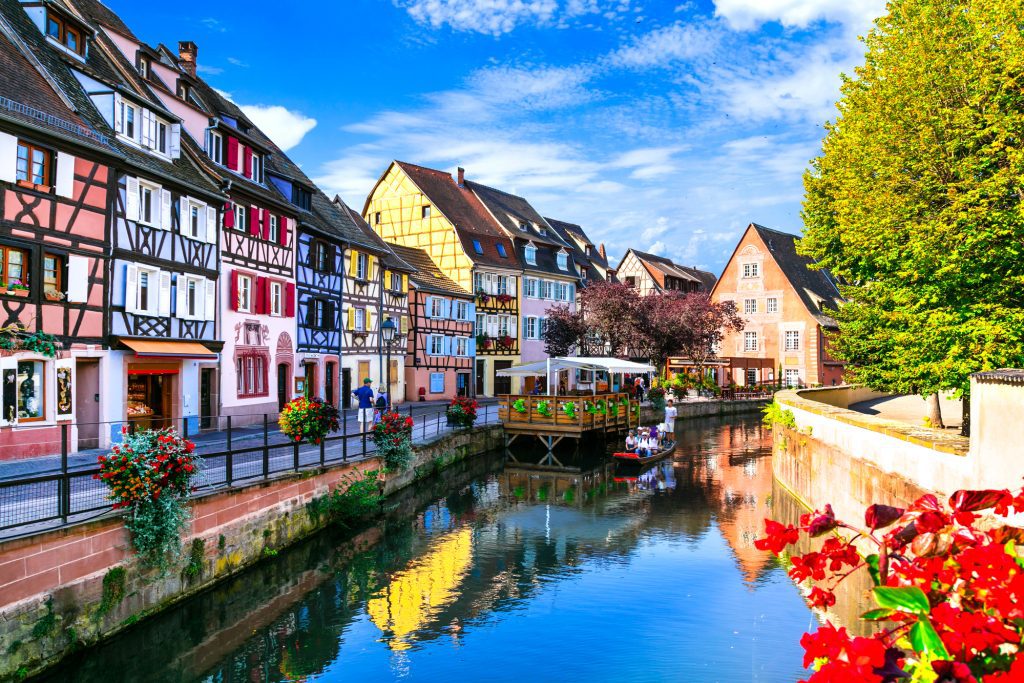
At the heart of the Moselle, Bernkastel-Kues is renowned for its half-timbered houses and captivating medieval charm; Koblenz, where the Rhine and Moselle rivers meet, offers stunning views from the Deutsches Eck. Trier preserves the Porta Nigra — the largest intact Roman gate north of the Alps — as well as the Roman Amphitheatre, the Imperial Baths and the Basilica of Constantine, all UNESCO World Heritage Sites. In Alsace, the Château du Haut-Koenigsbourg, rebuilt by Kaiser Wilhelm II and perched on a rocky spur in the Vosges, is one of the most impressive visits in north-eastern France. Strasbourg, with its Gothic cathedral and the Petite France district — islands and canals lined with colourful houses — and Colmar, the capital of Alsatian wines, are unmissable stops.
Gastronomy
Choucroute garnie (sauerkraut with pork and smoked sausages), paired with a Pinot Gris or a Gewürztraminer, is Alsace’s signature pairing. Tarte flambée (flammekueche), with crème fraîche, onion and lardons, is the Alsatian answer to pizza and the perfect aperitif with a fresh white wine. Foie gras, widely present in the region, pairs beautifully with any Alsatian style.
On the German side, Moselle cuisine revolves around Riesling Spätlese with river trout, Sauerbraten (vinegar-marinated beef), and Flammkuchen, a dish claimed as its own on both sides of the border.

Sobrelías Redacción
Sobrelías Redacción