


The Great Wine Routes of the World (IX): The Portuguese Douro, the oldest terraced vineyard in the world
A definitive guide for the wine tourist
The river that gave rise to Portugal’s most famous wine
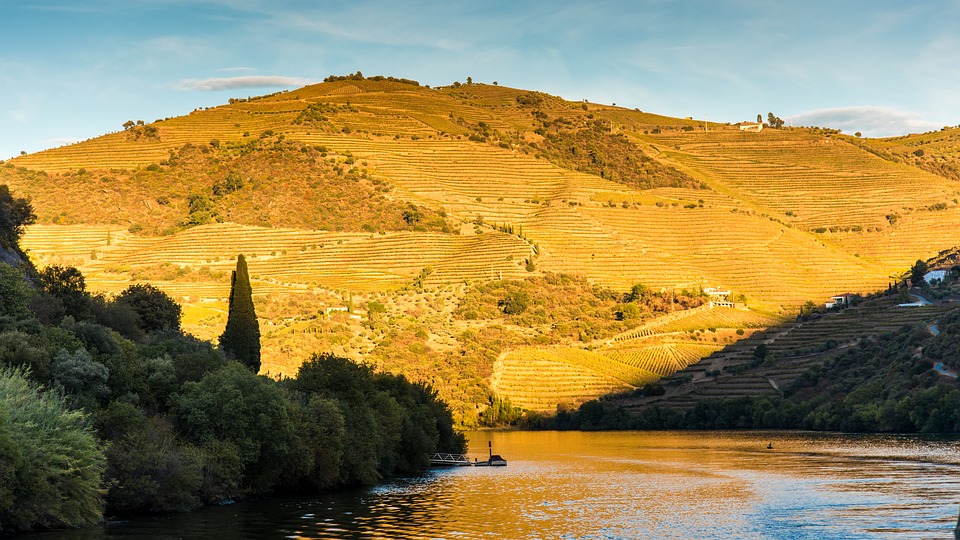
Inseparable from the River Douro, which winds through deep valleys from the Spanish border to near Porto, this region of schist mountains and poor, rugged soils was transformed by human endeavour, as vines were planted terrace by terrace. Green in summer and ablaze with colour in autumn, the vineyards have shaped a unique landscape recognised by UNESCO. The amphitheatres of terraced vines overlooking the river are quite simply among the most breathtaking sights a traveller can experience in Europe.
Wine production in the Alto Douro Vinhateiro has the distinction of belonging to one of the oldest demarcated regions in the world, dating back to the creation of the Companhia Geral da Agricultura das Vinhas do Alto Douro in 1756. Its mission was to define the region’s boundaries, register the vineyards and classify wines according to their quality. For more than two and a half centuries, this region has been managed under clearly differentiated quality criteria.
The area is divided into three sub-regions: Baixo Corgo (home to Peso da Régua, the capital of Port wine), Cima Corgo (the heartland of the finest Ports, centred around Pinhão), and Douro Superior (the easternmost sub-region, drier and subject to more extreme temperatures).
The great singularity: exploring it by train, car or boat
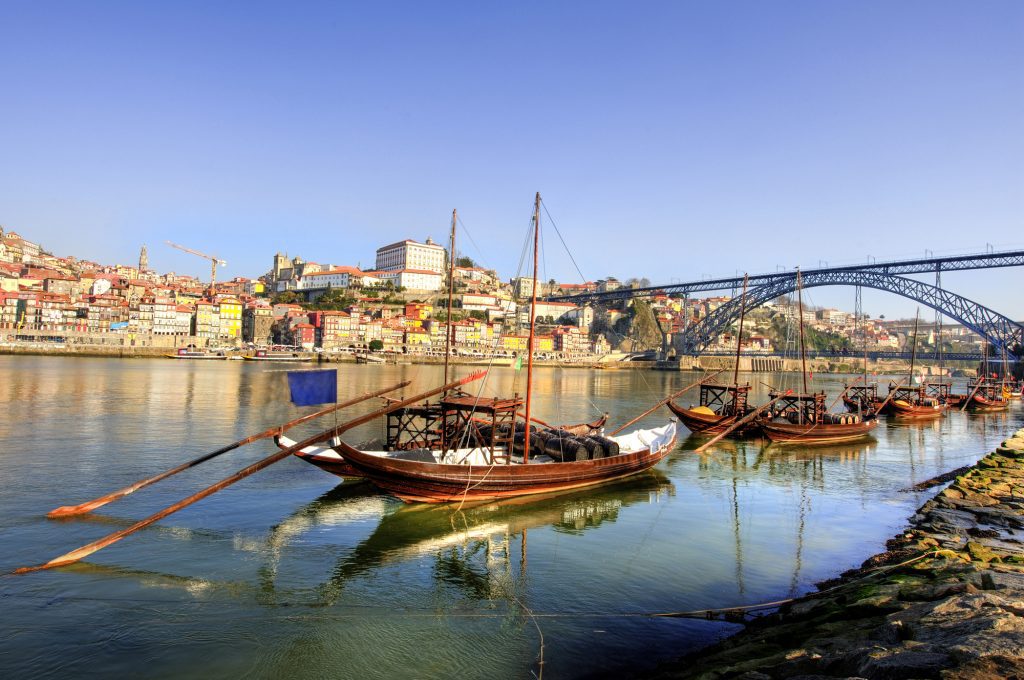
The Port Wine Route is unique in that it can be explored by car, train or boat, as the river is navigable from Porto to Barca de Alba, on the Spanish border. Visitors can embark at the quay in Vila Nova de Gaia and travel upriver to Régua, the route’s most important railway station, where it is possible to board a historic steam train. Few destinations in the world offer three such distinct—and equally spectacular—ways to experience the same journey.
Essential wineries
W. & J. Graham (Vila Nova de Gaia) is one of the great Port houses, with centuries-old underground cellars and tastings that explore the full range of styles, from young Ruby to decades-old Colheita wines. Taylor’s is exclusively dedicated to Port and is universally recognised for producing some of the finest examples of the style. Poças represents the Douro’s more authentic, family-run side, with a human-scale winery where personalised attention makes all the difference. Quinta do Portal combines the production of still wines, Moscatel, Port wines and olive oil tourism in a mountain setting of outstanding beauty. Quinta do Vesúvio is a perfect example of a mountain estate, with dreamlike terraced vineyards in the Douro Superior.
For those who prefer a more contemporary approach, Quinta Nova offers a boutique hotel in the heart of the Douro, premium tastings, and a fine-dining restaurant with breathtaking views over the river.

Monuments and heritage
Porto is a UNESCO World Heritage Site and a city that alone justifies the journey: the Ribeira district with its tiled houses overlooking the Douro, the Dom Luís I Bridge, Livraria Lello (one of the most beautiful bookshops in the world), São Bento Station with its azulejos depicting scenes from Portuguese history, and the Migaleira neighbourhood. The Mateus Palace, near Vila Real, is another essential stop along the route. In Pinhão, the small railway station adorned with azulejos illustrating the grape harvest is one of northern Portugal’s most iconic photographic landmarks. The Côa Valley Archaeological Park (also a UNESCO World Heritage Site), with its extraordinary collection of open-air Palaeolithic rock art, adds a dimension of 25,000 years of human history to the visit.

Gastronomy
Cuisine from Trás-os-Montes is hearty and full of deep flavours. Bacalhau à Brás, caldo verde (a cabbage soup with chorizo) and tripas à moda do Porto are emblematic dishes. In the inland Douro, highlights include aged goat’s cheeses, black pork charcuterie, game soups and roast lamb. The DOC restaurant in Folgosa, overlooking the Douro River and specialising in seasonal produce, is an essential stop along the route. In Porto, the gastronomic scene is one of the most vibrant in the Iberian Peninsula, ranging from the most authentic taverns to Michelin-starred restaurants.

Sobrelías Redacción
Sobrelías Redacción