


Global Wine Tourism Enters a Golden Age and Could Surpass €119 Billion by 2033
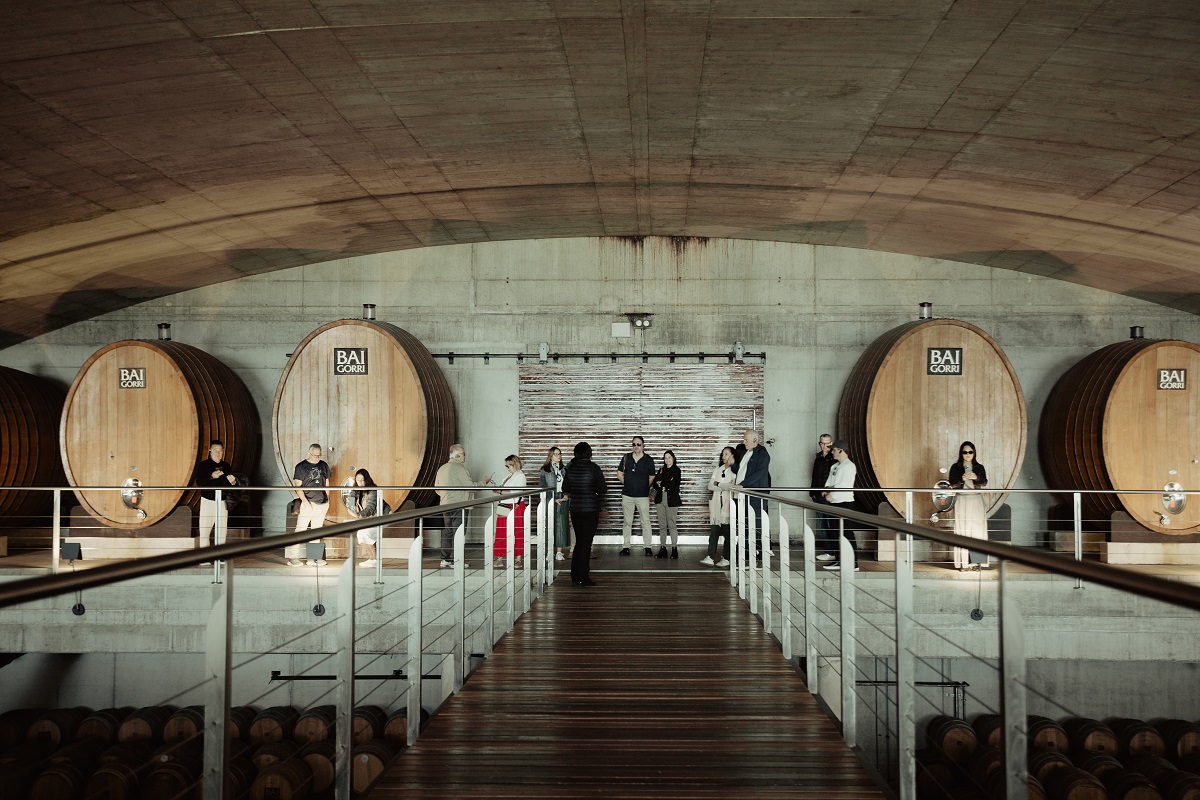
Experiences, culture, gastronomy, and sustainability are driving a sector that has become one of the wine industry’s most powerful promotional tools
For decades, wineries primarily opened their doors to distributors, journalists, and trade buyers. Today, the situation is very different. Wine tourism has evolved into a strategic activity for wine-producing regions around the world and one of the most effective ways of connecting wine producers directly with consumers. Far from being a passing trend, all indicators suggest that it will continue to grow strongly in the years ahead.
Recent forecasts point to sustained expansion in the global wine tourism market through 2033, fueled by increasing demand for experiences linked to local culture, gastronomy, heritage, and the lifestyle associated with wine. By then, the sector could be worth nearly €120 billion, cementing its position as one of the most dynamic economic drivers within the wine industry.
Much More Than a Winery Visit
The success of wine tourism reflects a profound transformation in the way people travel. Today’s travelers are no longer satisfied with simply visiting a destination; they want memorable experiences, a deeper understanding of local history, and a meaningful connection with the places they explore.
In this context, wine regions possess a clear competitive advantage. Wine serves as a gateway to discovering landscapes, traditions, historical heritage, local cuisine, and ways of life that define the identity of each territory.
Guided winery tours remain at the heart of the experience, but an increasing number of complementary activities are gaining importance, including themed tastings, vineyard walks, culinary experiences, winemaking workshops, concerts, cultural events, winery accommodations, and wellness and nature-based activities.
This diversification has broadened the visitor profile considerably. Wine tourism is no longer limited to wine enthusiasts and connoisseurs; it increasingly attracts families, couples, groups of friends, and travelers seeking cultural and gastronomic experiences.
Europe Remains the Global Leader
Europe continues to be the world’s leading wine tourism destination. Countries with deep-rooted winemaking traditions such as Italy, France, Spain, and Portugal account for a significant share of global wine tourism activity thanks to their combination of wine prestige, cultural heritage, and well-developed tourism infrastructure.
The extraordinary diversity of wine regions—from France’s historic appellations to the emerging destinations of the Iberian Peninsula—offers visitors an unparalleled variety of experiences.
In addition, the proximity of wine regions to one another, the richness of local gastronomy, and the increasing professionalism of wineries have established Europe as the premier destination for travelers seeking to combine tourism with wine culture.
New Players on the International Stage
While Europe remains at the forefront, other regions are rapidly gaining prominence. North America, South America, Australia, New Zealand, and South Africa have spent recent decades developing increasingly sophisticated and attractive wine tourism offerings for international visitors.
In the United States, regions such as Napa Valley and Sonoma have demonstrated how wine tourism can become a major economic engine. In South America, wine regions in Argentina and Chile have capitalized on their spectacular landscapes to create distinctive experiences that blend wine, nature, and gastronomy.
Meanwhile, Australia and New Zealand continue to strengthen their reputation as destinations capable of delivering high-quality experiences centered on sustainability and close contact with the natural environment.
Technology Is Transforming the Visitor Experience
Digitalization is playing an increasingly important role in the evolution of wine tourism. Online booking systems, specialized platforms, virtual tours, and personalization tools enable wineries to reach new audiences while enhancing the visitor experience.
Social media has also been instrumental in driving the sector’s growth. Many travel decisions today are inspired by images shared by other travelers, recommendations from content creators, and experiences showcased across digital platforms.
This global visibility has allowed many wine regions to significantly increase their international recognition without requiring promotional investments comparable to those of more traditional tourist destinations.
Sustainability and Authenticity as Key Drivers
Another major factor behind the sector’s growth is travelers’ growing interest in sustainability. Consumers are increasingly eager to learn how wines are produced, what environmental practices wineries employ, and how viticulture impacts local communities and landscapes.
Experiences related to organic farming, biodiversity conservation, landscape preservation, and the recovery of native grape varieties are becoming increasingly important elements of wine tourism offerings.
At the same time, visitors place a high value on authenticity. They seek genuine stories, direct interaction with producers, and experiences that truly reflect the character of a region. In an increasingly globalized tourism market, authenticity has become one of the most valuable competitive advantages for wine destinations.
A Strategic Opportunity for the Wine Industry
Beyond the direct revenue it generates, wine tourism has established itself as a powerful marketing tool for wineries. A visit creates an emotional connection with consumers that is difficult to achieve through traditional sales channels.
Numerous studies indicate that visitors who experience a winery firsthand are more likely to purchase its wines in the future, recommend the brand to others, and maintain a long-term relationship with it.
For this reason, many wine companies now view wine tourism not as a complementary activity but as an essential component of their overall business strategy.
A Promising Future
The outlook for the coming decade remains highly positive. Growing interest in wine-related experiences, gastronomy, and cultural heritage is expected to continue driving demand, while technological innovation and sustainability initiatives will further enrich the visitor experience.
All signs suggest that wine tourism will continue evolving from a supplementary activity into a comprehensive ecosystem of experiences capable of generating economic value, promoting wine regions, and strengthening the connection between consumers and producers.
For wine-producing regions, the challenge is no longer limited to crafting exceptional wines. Increasingly, success will depend on offering memorable experiences that allow visitors to understand the history, culture, and landscapes behind every bottle. In this context, wine tourism is emerging as one of the industry’s most valuable tools for securing its future and bringing the world of wine closer to new generations of consumers.