


The Complete Rioja Wine Guide: Regions, Aging Classifications, and the Best Bottles to Buy
Rioja is one of the wine world’s most decorated appellations — and right now, one of its best-kept secrets outside of Spain. In 2025, Wine Spectator named Rioja its Wine Value of the Year, with the Muga Reserva 2021 as a defining reference. US imports grew 17% in 2024. For anyone discovering Spanish wine, or looking to go deeper, this guide covers everything: the three sub-regions, the aging rules that separate a Crianza from a Gran Reserva, the producers you need to know, and how to pair these wines at the table.
What Is Rioja Wine?
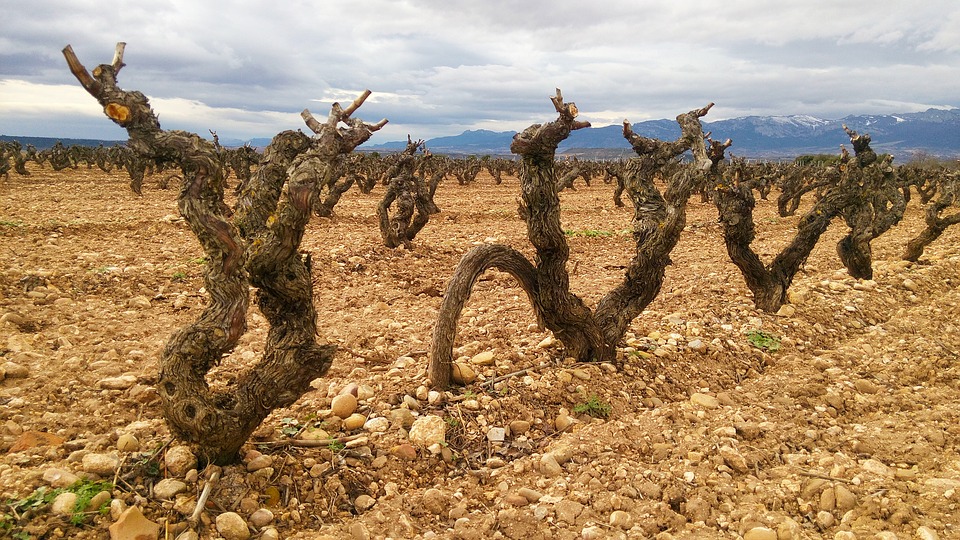
Rioja is a Denominación de Origen Calificada (DOCa) — Spain’s highest official wine classification — located in the north of the country, straddling the regions of La Rioja, Navarra, and the Basque Country. The Ebro river runs through the heart of it, and the mountains to the north and south create a sheltered mesoclimate that swings between Atlantic cool and Mediterranean warmth depending on where you stand.
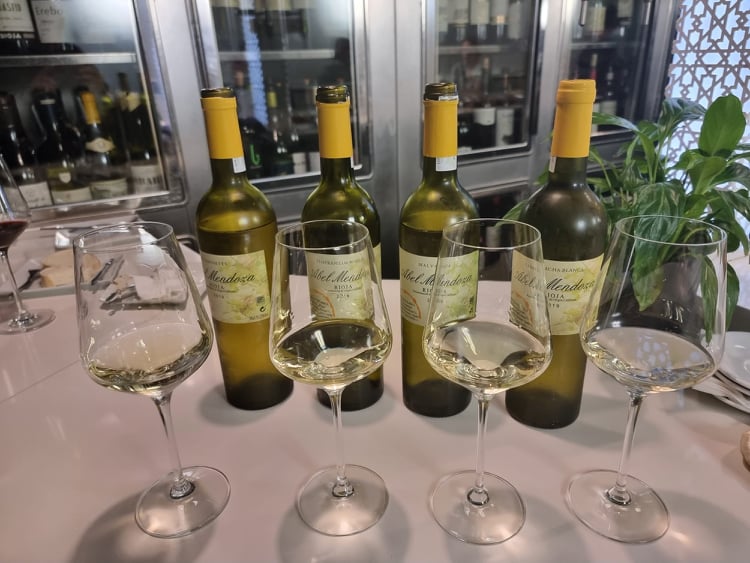
The dominant grape is Tempranillo, a thick-skinned red that offers red cherry, dried fig, and leather, with the structure to age for decades. It is typically blended with Garnacha (Grenache), Mazuelo (Carignan), and Graciano. White Rioja — made primarily from Viura, sometimes blended with Malvasía or Garnacha Blanca — is experiencing a quiet renaissance, with producers exploring both oxidative and fresh styles.
What makes Rioja distinctive is not just the grape, but the relationship between the fruit and the barrel. Rioja winemakers have been aging wine in American oak longer than almost anyone in the world, producing that signature vanilla and coconut note alongside dried fruit and earth. A newer wave of estates has shifted toward French oak or abandoned extended oak aging entirely, creating a more fruit-forward, terroir-driven profile.
The Three Sub-Regions of Rioja
Rioja is not monolithic. The DOCa covers three distinct zones with meaningfully different soils, elevations, and climates.
Rioja Alta
The western sub-region, centered on the town of Haro, is where many of Rioja’s most historic bodegas are clustered. Elevations range from 400 to 700 meters. The soils are predominantly clay-limestone, which retains moisture and slows ripening — ideal for Tempranillo that keeps its acidity. The Atlantic influence is strongest here: cooler temperatures, higher rainfall, and longer growing seasons. The wines tend to be more structured and elegant, with good aging potential. Producers like La Rioja Alta, CVNE, and Bodegas Muga call this zone home.
Rioja Alavesa
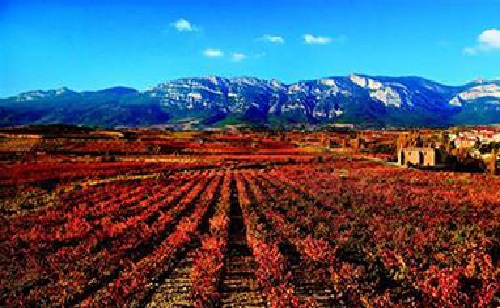
Just across the Ebro into the Basque Country (Álava province), this is the smallest of the three zones and arguably the most fashionable right now. The soils are almost entirely clay-limestone. Elevations are high — some vineyards sit above 700 meters — and the mesoclimate leans cooler. The wines here are often described as floral and aromatic, with bright acidity and a more Burgundian profile. Alavesa is the heartland of the “village wine” movement in Rioja, with producers like Artadi and Remírez de Ganuza making site-specific, single-village bottlings.
Rioja Oriental
Formerly known as Rioja Baja (the name was changed in 2018), this is the easternmost and warmest zone, where Mediterranean conditions dominate. Soils here include alluvial silt and iron-rich clay. The heat pushes Garnacha — which tolerates drought better than Tempranillo — into the foreground. Wines tend to be richer, more alcoholic, and fuller-bodied. Traditionally this zone supplied bulk wine for blending, but a new generation of producers is making a serious case for its distinctive character.
Rioja Aging Classifications: Crianza, Reserva, and Gran Reserva
The classification system is one of Rioja’s defining features — and one of the most useful guides for the consumer. Unlike many appellations where label language is vague, Rioja’s aging categories are legally defined with minimum requirements.
| Classification | Minimum Total Aging | Minimum Oak | Minimum Bottle | Profile |
|---|---|---|---|---|
| Joven | None required | None | None | Fresh, fruit-forward, for early drinking |
| Crianza | 2 years | 1 year in oak | 6 months | Entry-level structure, accessible |
| Reserva | 3 years | 1 year in oak | 1 year | More complexity, medium-term aging |
| Gran Reserva | 5 years | 2 years in oak | 2 years in bottle | Full structure, extended cellar potential |
A few things worth understanding beyond the table. First, these are minimums — many producers exceed them significantly. A top Gran Reserva from La Rioja Alta may spend 3 or 4 years in barrel and several more in bottle before release. Second, the type of oak matters: traditional American oak gives coconut and vanilla; French oak gives spice and tannin; a blend gives complexity. Third, vintage variation is real. A Reserva from a great year like 2016 or 2019 will outperform a Gran Reserva from a difficult vintage.
The practical takeaway: for everyday drinking, a Crianza from a good producer in a solid year is excellent value. For special occasions or cellaring, a Reserva or Gran Reserva from one of the top estates is one of the best quality-to-price propositions in fine wine.
Best Rioja Wine Producers
This list favors producers with consistent track records, wide availability in the US market, and wines across multiple price points.
Bodegas Muga is the most high-profile Rioja name right now, following the Wine Spectator recognition. Their Reserva — the bottle that anchored the Wine Value of the Year award — is a textbook example of what traditional Rioja does best: earthy red fruit, cedar, vanilla, and a structure that rewards patience. Their Prado Enea Gran Reserva is among the finest wines in Spain. Widely available in the US between $20–$30 for the Reserva.
CVNE (Compañía Vinícola del Norte de España) has been operating in Haro since 1879. Their Imperial Reserva and Imperial Gran Reserva are benchmarks of the appellation. The Viña Real range, from Alavesa-sourced fruit, offers a more modern profile. Reliably priced, reliably excellent.
La Rioja Alta produces some of the most age-worthy wines in the world. Their 890 Gran Reserva (released only in exceptional vintages) and 904 Gran Reserva are wines built for decades in the cellar. They also make Viña Ardanza Reserva, a more approachable blended wine that punches far above its price point.
Artadi is the producer most associated with the “Burgundy of Spain” narrative. Single-vineyard wines like Viña El Pisón have attracted cult status. Their approach — lower yields, no extended oak aging, terroir-driven winemaking — is the counterpoint to the traditional Haro style.
Bodegas Roda straddles the traditional and modern. Their Roda I Reserva and Roda II Reserva use shorter oak contact than classic Rioja, focusing on fruit purity and freshness without losing structure.
Remírez de Ganuza is a name less commonly seen outside specialist retailers, but their Gran Reserva is exceptional, and their approach to single-vineyard selection within the estate is meticulous.
For value, look at Marqués de Murrieta (Ygay Reserva), Campo Viejo (Reserva), and Faustino — all widely distributed and honest expressions of the appellation at accessible prices.

Rioja Wine Pairing: What to Eat
Rioja’s flavor profile — earthy, structured, with red fruit and oak-derived spice — makes it one of the most food-friendly red wines in the world. A few principles:
Lamb is the classic pairing for a reason. The slightly gamey, fatty character of roasted or braised lamb meets Tempranillo’s tannin and acidity in a way that makes both better. Lechazo (milk-fed lamb roasted in a wood oven) is the traditional dish of the region itself.
Aged cheeses are an underrated match. A wedge of Manchego or Idiazábal alongside a glass of Crianza is an easy, inexpensive pleasure. The fat of the cheese softens the wine’s tannin; the wine’s acidity cuts through the richness.
Charcuterie and cured meats — jamón ibérico, chorizo, lomo — work at any quality level of Rioja, from Joven to Reserva.
Mushroom-based dishes echo the earthy, forest-floor notes that Rioja develops with age. A Gran Reserva alongside wild mushroom risotto or a braised porcini pasta is a memorable pairing.
Avoid heavily spiced or very sweet sauces. Rioja’s tannin and oak can clash with strong sweetness or dominant chili heat. For spicy dishes, a Joven or a young Garnacha-dominant bottle from Rioja Oriental tends to work better than an aged Reserva.
For white Rioja, the pairing logic shifts: older oxidative whites (think nutty, textured Viura) pair beautifully with sea bass, salt cod, or aged hard cheese. Younger, fresher whites work as an aperitivo or with lighter seafood.

Where to Buy Rioja Wine in the US
Rioja is genuinely well-distributed across the US, which is part of what makes the value case compelling. For mainstream producers (Muga, CVNE, Marqués de Murrieta, Campo Viejo), Total Wine & More, BevMo, and most independent wine shops carry the core range. Online, Wine.com and Vivino Marketplace offer reliable selection and user reviews that help navigate vintages.
For the more artisan producers — Artadi, Roda, Remírez de Ganuza — seek out specialist importers. Indie retailers like Chambers Street Wines (New York), K&L Wine Merchants (California), or any shop that works with Spain-focused importers like Fine Estates from Spain or Jorge Ordóñez Selections will have better access.
On vintage: 2019, 2017, 2016, and 2010 are the most celebrated recent years. For value drinking now, 2020 offers good quality at accessible prices. The 2021 vintage — the year Wine Spectator spotlighted — is widely available and worth seeking out.
FAQ
What makes Rioja wine different from other Spanish wines? The combination of a legally defined aging classification system, the dominance of Tempranillo, and decades-long tradition of oak aging gives Rioja a flavor profile and labeling transparency that is distinctive within Spanish wine. The DOCa status also imposes stricter quality controls than most other appellations.
Is Rioja always red? No. White Rioja (blanco) made from Viura and other white varieties has a long history and is attracting renewed attention. There is also a small production of Rioja Rosado (rosé).
What is the difference between Reserva and Gran Reserva? A Reserva ages for a minimum of three years total (at least one in oak). A Gran Reserva ages for a minimum of five years total (at least two in oak). In practice, Gran Reserva wines come from better vintages, receive more careful selection, and are priced accordingly. They are also typically released later and built to age further in bottle.
Is Rioja wine good value? It is one of the best value propositions in fine wine. A quality Reserva from a reputable producer costs $20–$35 in the US — a price point that is hard to match for equivalent quality in Bordeaux, Burgundy, or Napa.
How long can I age a Rioja Gran Reserva? From a great vintage and a top producer, 20 to 30 years is realistic. La Rioja Alta’s 890 Gran Reserva and Muga’s Prado Enea, for example, are wines built explicitly for long cellaring. More modest Gran Reservas are generally at their best 10 to 15 years from vintage.
What temperature should I serve Rioja at? Aged reds like Reserva and Gran Reserva are best served slightly below room temperature: 16–18°C (61–64°F). Younger Joven and Crianza wines can be served a touch cooler, around 14–16°C.

Rioja Vintage Guide: Recent Years Rated
Vintage variation in Rioja is real and consequential. Because Tempranillo is sensitive to both heat stress and excess rain during harvest, the difference between a good year and a great one shows up clearly in the glass — and in how long the wines will age. This guide focuses on the most commercially relevant vintages you will encounter in US retail today.
| Vintage | Rating | Character | Drink or Hold? |
|---|---|---|---|
| 2019 | Exceptional | Balanced ripeness, natural acidity, elegant structure | Hold Reserva/GR 5–15 more years |
| 2018 | Very good | Ripe, generous fruit, some heat in the east | Drinking well now through 2030 |
| 2017 | Excellent | Concentrated, powerful, lower yields from spring frost | Hold top bottles, drink mid-tier now |
| 2016 | Outstanding | Near-perfect growing season, finesse and depth | One of the decade’s best — hold |
| 2015 | Very good | Warm, ripe, more immediate appeal | Drinking well now |
| 2014 | Good | Fresher style, lighter body, underrated for value | Drink now |
| 2013 | Excellent | Cool season, high acidity, classic profile | Aging beautifully — hold GR |
| 2012 | Good | Uneven, some excellent plots, some dilution | Drink now, be selective |
| 2011 | Very good | Warm, ripe, approachable | Drink now |
| 2010 | Exceptional | Unanimously celebrated, structured and complex | Hold top bottles another decade |
What the ratings mean in practice
2019 and 2016 are the two vintages to seek out if you are buying Reserva or Gran Reserva to cellar. Both years combined ideal weather conditions — a cool, slow ripening season followed by a dry harvest — that give the wines the structure to develop over 15 to 20 years.
2021, the vintage Wine Spectator highlighted through the Muga Reserva, sits outside this table only because Gran Reservas from that year are not yet widely released — the classification requires five years of aging minimum. Crianzas and Reservas from 2021 that are on shelves now show excellent promise: good fruit density, freshness, and balance.
2017 requires a note. A severe spring frost devastated yields across Rioja Alta and Alavesa, reducing production by up to 60% in some estates. The wines that survived are concentrated and powerful precisely because of the low crop load. Top-end Reservas and Gran Reservas from 2017 are genuinely exciting, but the vintage is uneven — stick to producers you trust.
For everyday drinking (Crianza, Joven), vintage matters less. These wines are made for early consumption and the winemaking smooths out most year-to-year variation. Focus on producer reputation rather than year.
A note on release dates
Rioja’s aging requirements mean the wine you buy today was made years ago. A Gran Reserva on a US shelf in 2026 is likely from 2018, 2017, or 2016. This is not a flaw — it is by design. Unlike most of the wine world, where the producer releases wine young and the consumer has to cellar it, Rioja’s top estates release when they judge the wine is ready. You are buying wine with significant aging already built in.

How to Read a Rioja Wine Label
Rioja labels carry more useful information per square inch than almost any other wine appellation in the world — if you know what to look for. Here is a field guide.
The essentials
Denominación de Origen Calificada (DOCa) / Rioja Every bottle of true Rioja carries this designation, usually on the back label as a numbered seal issued by the Consejo Regulador. The seal is your guarantee of authenticity. If you see “Vino de la Tierra” or no DOCa seal, it is not classified Rioja.
The aging category The most immediately useful piece of information on the label. Joven, Crianza, Reserva, or Gran Reserva tells you how long the wine has been aged and, in broad terms, what style to expect. This will appear prominently on the front label.
Vintage (Añada) The year the grapes were harvested. Combined with the aging category, this tells you how old the wine is. A Reserva from 2016 on sale in 2026 has ten years of age on it — unusually mature for its classification, likely drinking beautifully.
Producer name (Bodega) In Rioja, the bodega name is typically more prominent than any vineyard or village name. Unlike Burgundy, where the parcel name is central, traditional Rioja is built on bodega reputation. This is changing — see single-vineyard wines below — but for most bottles you encounter, the producer name is the primary quality signal.
Wine name Many Rioja producers use a branded wine name (Viña Ardanza, Imperial, Prado Enea) that is distinct from the bodega name. These names are consistent across vintages and often indicate a specific selection or blend within the estate’s range. Learning the hierarchy of names within your favorite producers is worth the effort.
The newer additions to look for
Single-vineyard designation (Viñedo Singular) Introduced by the Consejo Regulador in 2017, this classification recognizes individual vineyard plots with distinctive terroir and a minimum vine age of 35 years. Bottles carrying “Viñedo Singular” on the label represent Rioja’s answer to premier and grand cru — site-specific wines from defined parcels. They are typically more expensive and more limited in production, but represent the clearest expression of where Rioja’s quality ceiling is moving.
Village wines (Vinos de Municipio) Another relatively recent classification, allowing producers to indicate the specific village or municipality where the grapes were grown — analogous to a village-level Burgundy. You may see names like “San Vicente de la Sonsierra,” “Labastida,” or “Laguardia” on labels from producers working in this style. These wines tend to be from Rioja Alavesa and reflect the push toward terroir transparency.
Sub-region name Some producers now indicate “Rioja Alta,” “Rioja Alavesa,” or “Rioja Oriental” on the label. This was not permitted until 2017. Its presence signals a producer who wants you to think about where the wine comes from, not just how long it was aged.
Back label details worth checking
Alcohol level Rioja reds typically run between 13% and 14.5% ABV. Higher alcohol in a Crianza or Joven can indicate fruit from warmer Rioja Oriental or a very warm vintage. This is not necessarily a flaw, but worth knowing before you open a bottle before dinner.
Importer name (US) On wines sold in the US, the back label must identify the importer. The importer is a useful quality signal — importers like Jorge Ordóñez Selections, Fine Estates from Spain, and Kysela Pere et Fils have consistent track records for selecting quality producers. If you find a bottle from an importer whose other wines you have enjoyed, that is a reasonable basis for trust.
Contains sulfites Required by US law on all wines. Not meaningful as a quality signal — essentially all wine contains sulfites, either naturally occurring or added.
What the label will not tell you
In traditional Rioja, the label rarely specifies grape varieties, specific vineyard blocks (unless Viñedo Singular), or winemaking techniques. You will not know whether the oak was American or French, how long fermentation lasted, or whether the wine was filtered. For that level of detail, the producer’s website or importer’s tasting notes are your best resource. This opacity is slowly changing as a younger generation of winemakers embrace more detailed communication with consumers, but for now, learning the producers remains the most reliable shortcut.

Sobrelías Redacción
Sobrelías Redacción