


The Great Wine Routes of the World (III): “Tuscany — Art, Landscape and Sangiovese”
A Definitive Guide for the Wine Tourist
The Most Photographed Vineyard Landscape in the World
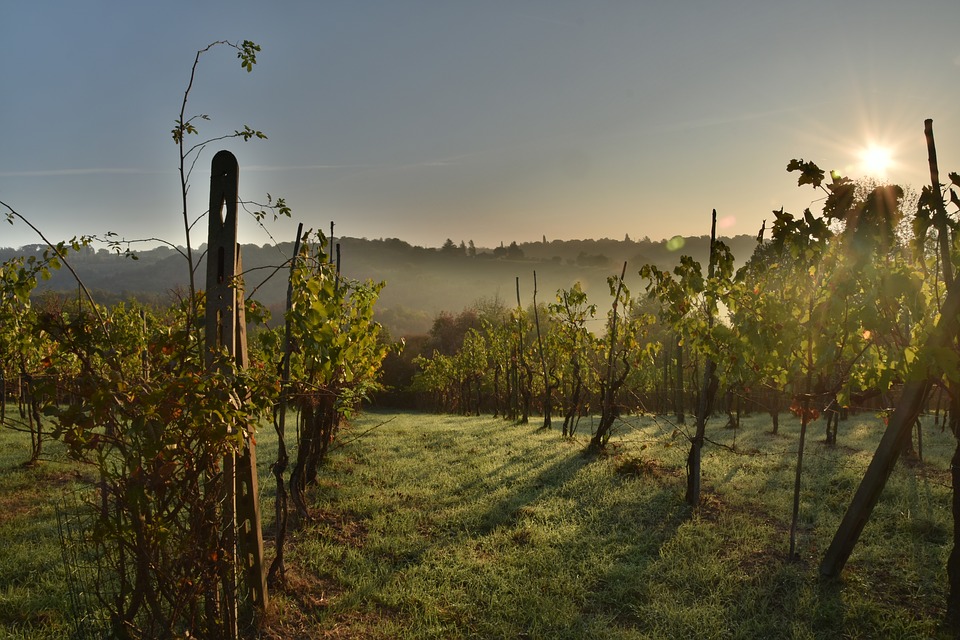
[dropcap]I[/dropcap]f there is one image that encapsulates wine tourism in the collective imagination, it is Tuscany: rows of cypress trees, rolling hills glowing gold in autumn, a stone fattoria, and a glass of Chianti in the sunlight. Tuscany is Italy’s third-largest wine region in terms of vineyard area, shaped by Mediterranean influence and rugged terrain that gives rise to vineyards cultivated on hills ranging between 150 and 500 metres above sea level.
The flagship grape variety is Sangiovese, which here takes on different names and expressions: in Chianti Classico, in the powerful Brunello di Montalcino (which requires 100% Sangiovese in its Brunello variant), and in the elegant Vino Nobile di Montepulciano.
The Three Main Routes
The first — and most classic — follows the SS 222 from Florence towards Siena: 69 kilometres of vineyards, olive groves and villages to explore, including Impruneta, Greve in Chianti, Montefioralle, Panzano, Castellina in Chianti, Radda in Chianti and Gaiole in Chianti, the heart of Chianti Classico.
The second leads south of Siena to Montalcino, a pilgrimage for lovers of Brunello. The third, skirting the coastline, heads towards Bolgheri, cradle of the so-called “Super Tuscans”: a magical land that has produced highly coveted wines such as Ornellaia and Sassicaia, immortalised in the words of Giosuè Carducci about the cypress trees of Bolgheri. From San Guido, the famous Strada dei Cipressi forms a picturesque straight avenue lined with majestic cypresses.
Essential Wineries
Antinori nel Chianti Classico is architecture and wine in equal measure. Located just a few kilometres from Florence, it is an extraordinary architectural work concealed among olive groves and oak woods. Designed by the Archea studio and winner of multiple awards, the winery is literally embedded within the hillside.
Castello di Brolio (Barone Ricasoli), in Gaiole in Chianti, is Italy’s oldest continuously operating winery, where Baron Bettino Ricasoli defined the Chianti Classico formula in the nineteenth century. The medieval castle is open to visitors.
Castello di Verrazzano, in Greve in Chianti, was the birthplace of explorer Giovanni da Verrazzano, the Florentine navigator who discovered the bay where New York now stands.
Casato Prime Donne, in Montalcino, is a global pioneer: the first Brunello di Montalcino winery managed exclusively by women, from vineyard to bottle. Its founder, Donatella Cinelli Colombini, is a legendary figure in Italian wine tourism.
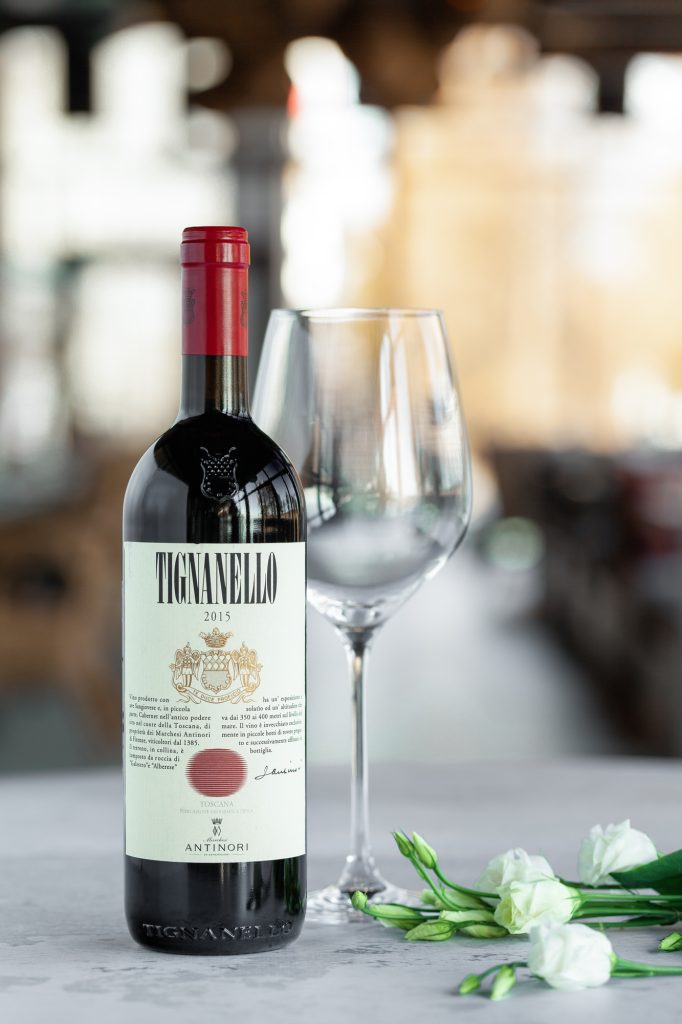
Tenuta San Guido, in Bolgheri, produces Sassicaia, the first Super Tuscan, which in 1994 became the only Italian single-estate winery granted its own DOC designation.
At the pinnacle of luxury, Rosewood Castiglion del Bosco — a five-star hotel and winery in Montalcino — offers private tastings in surroundings of almost unreal beauty.

Monuments and Heritage
Tuscany is quite simply the world’s greatest open-air museum. Florence (a UNESCO World Heritage Site), with the Uffizi Gallery, the Duomo and the Ponte Vecchio, is the natural starting point. Siena, with its Piazza del Campo — setting of the Palio — is one of Europe’s best-preserved medieval centres. San Gimignano, whose medieval towers make its skyline recognisable from miles away, is also a UNESCO World Heritage Site and produces Vernaccia di San Gimignano, the only Tuscan white wine with DOCG status. Montepulciano, with its elegant Renaissance centre, and Pienza, the ideal Renaissance city built by Pope Pius II, are essential stops.

Gastronomy
Tuscany boasts 16 PDO and 15 PGI agri-food products, and its cuisine is inseparable from the landscape. Bistecca alla Fiorentina — a large Chianina beef T-bone steak weighing over one kilogram, grilled and served rare — is the region’s most emblematic dish, perfectly paired with Brunello or Chianti Riserva. Pappardelle al cinghiale (wide pasta with wild boar) is ubiquitous in Chianti’s trattorie. Pecorino Toscano (PDO) cheese accompanies wine at any time of day. Tuscan extra virgin olive oil, particularly from the Lucca and Chianti areas, is considered among the finest in the world.

Sobrelías Redacción
Sobrelías Redacción