


A journey through France through its wines
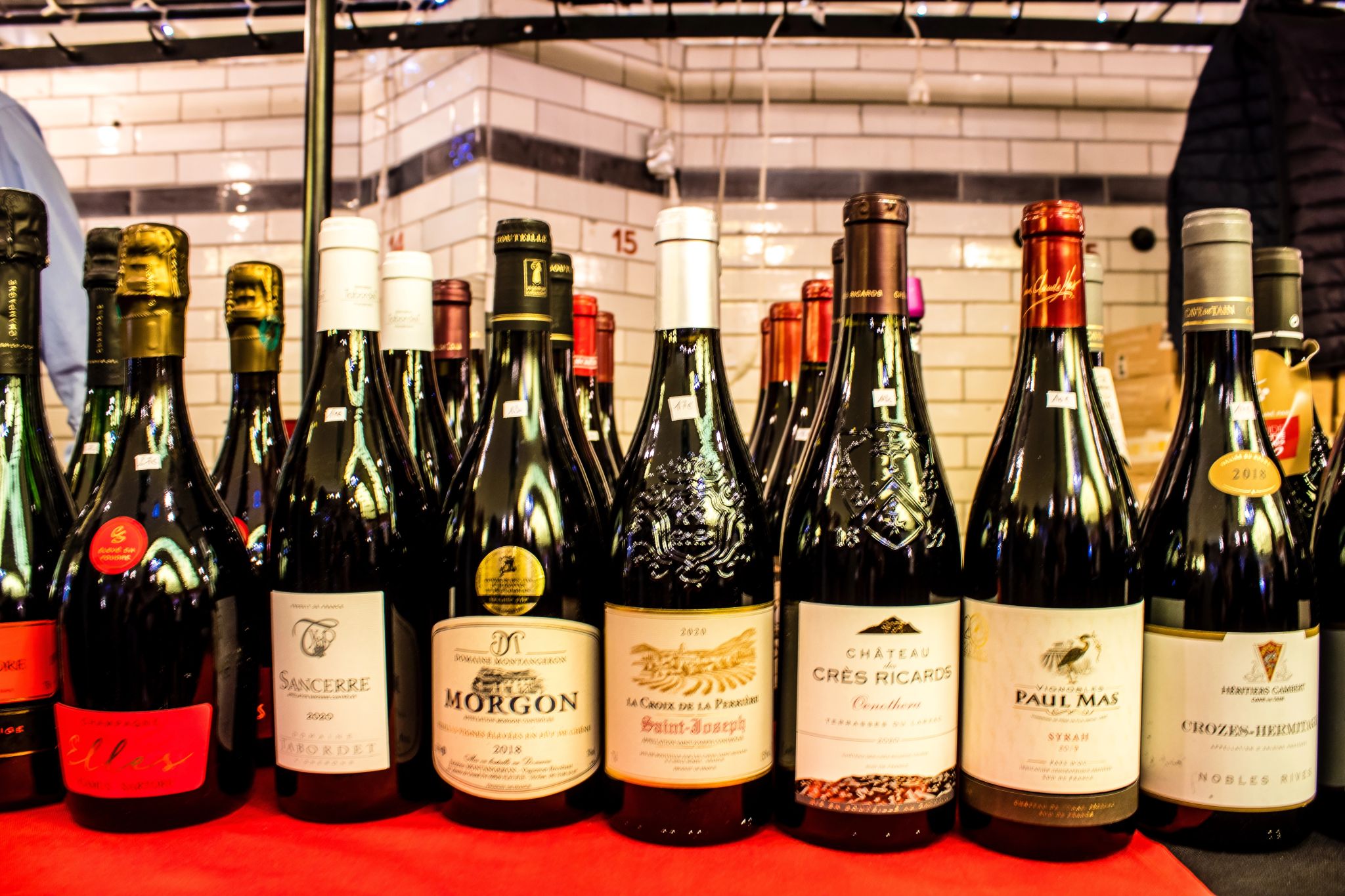
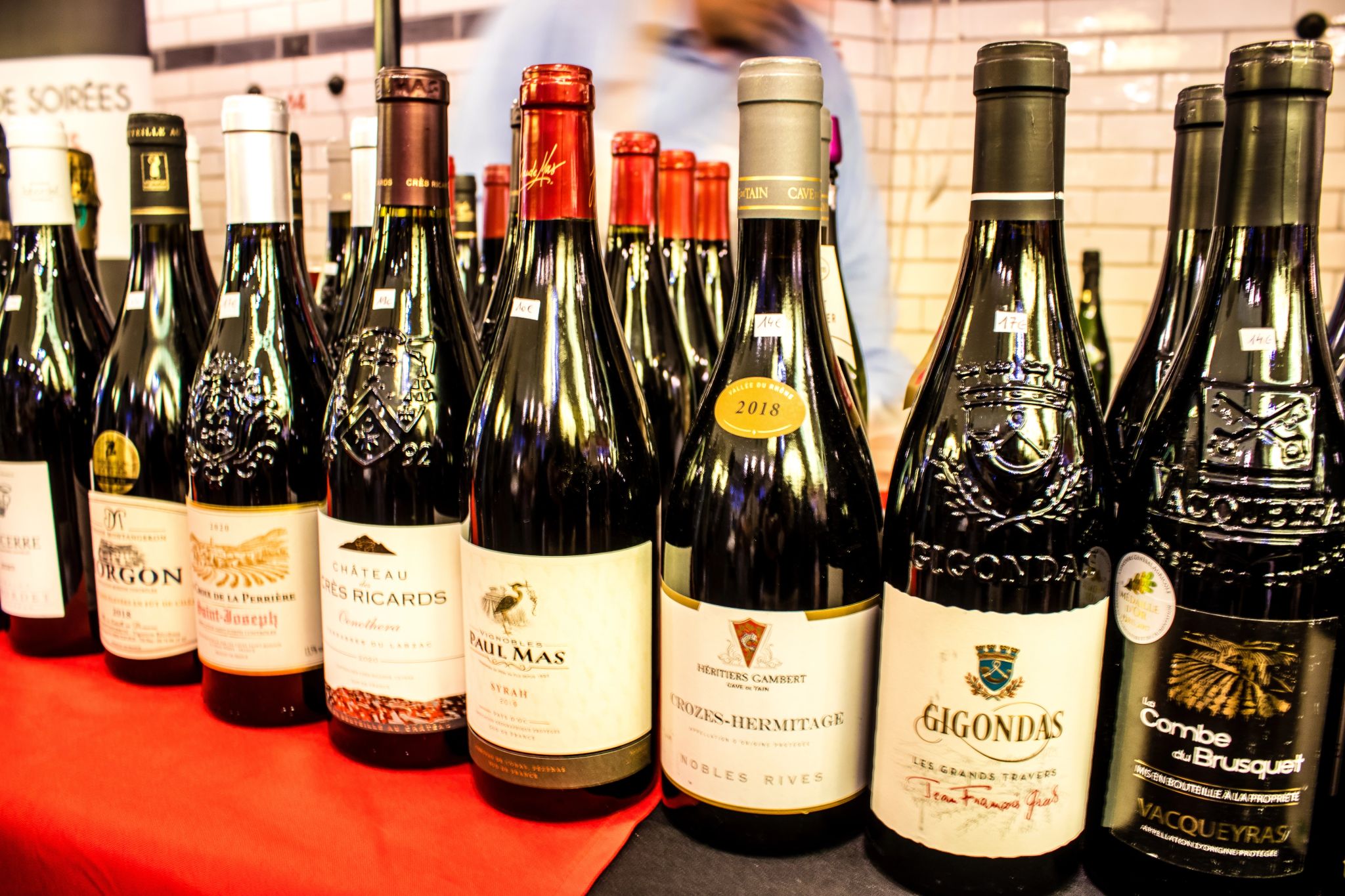
The tasting offered far more than a succession of bottles: it was a sensory journey through some of the most representative regions of French wine. From Sancerre to Champagne, via Morgon, Saint-Joseph, Terrasses du Larzac, Crozes-Hermitage, Gigondas and Vacqueyras, the selection traced a map of styles, landscapes and traditions that revealed, glass by glass, the richness of the French vineyard.
A meaningful journey
The underlying idea was clear: to show how wine changes when the land changes. On a single table, aromatic whites, finely structured reds, broader Mediterranean wines and a final Champagne coexisted, bringing a bright and elegant close to the experience.
The order of the tasting seemed designed to guide the participant from freshness and precision towards denser, broader and more complex wines. The result was a highly educational experience, but also a very enjoyable one for those who seek to appreciate wine through diversity.
Sancerre, the finest beginning
The journey began with the Domaine Tabordet Viognier de Sancerre, an aromatic and elegant white. Although Sancerre is usually associated with Sauvignon Blanc, Viognier offers a different interpretation here—broader on the palate, with a nose likely marked by white fruit, floral notes and an appealing sense of volume.
As an opening wine, it works beautifully: fresh, precise and capable of preparing the palate for a tasting that gradually gains depth without losing tension.
Morgon, the seriousness of Beaujolais
The Domaine Montanceron Morgon Vieilles Vignes Fût de Chêne introduced a more serious and complex dimension. Morgon is one of the most respected appellations in Beaujolais, and when sourced from old vines and aged in oak, the wine gains texture, depth and ageing potential.
In the glass, this type of wine often reveals ripe red fruit, earthy notes, a mineral backbone and a more structured profile than many expect from Gamay. It is a reminder that Beaujolais can also speak a mature and highly gastronomic language.
Saint-Joseph, the tension of the Northern Rhône
La Croix de la Perrière in Saint-Joseph by Les Caves Saint-Romain took the tasting to the northern Rhône Valley, where Syrah shows its most vertical, spicy and mineral expression. Saint-Joseph typically produces wines of strong personality, with black fruit, pepper, graphite and a freshness that makes them very appealing at the table.
It is the kind of wine that speaks of slopes, rock and precision. In a tasting like this, it brings tension and a very clear expression of the classic northern Rhône style.
Terrasses du Larzac, warmth with freshness
The Oenother Terrasses du Larzac from Château des Cècres Ricards represented one of the most exciting areas in southern France. Terrasses du Larzac has established itself as a high-quality appellation, capable of combining Mediterranean ripeness with notable freshness thanks to altitude and cool nights.
In this context, the wine likely combines black fruit, dried herbs, spices and a broad, enveloping and elegant palate. It is one of those appellations that perfectly illustrates the new face of Languedoc: more precise, more refined and far more ambitious.
Paul Mas and the freer expression of the south
The Syrah from Vignobles Paul Mas, IGP Pays d’Oc, added a more open and modern note. The IGP category allows greater stylistic freedom, often resulting in wines that are direct, expressive and designed to reach a broad audience without losing personality.
In this case, the Syrah typically shows ripe fruit, spice and an approachable, easy-drinking palate. Within the tasting, it acted as a bridge between the more classical and more accessible interpretations of southern France.
Crozes-Hermitage, balance and typicity
The Crozes-Hermitage Nobles Rives from Cave de Tain reinforced the presence of the northern Rhône. Crozes-Hermitage is well known for producing balanced wines with black fruit, fine tannins and a faithful expression of Syrah.
The signature of Cave de Tain also conveys reliability and precision. It is a wine that helps structure the tasting, clearly illustrating the relationship between terroir, grape variety and style.
Gigondas, power with elegance
The Gigondas Les Grands Travers by Jean-François Gras brought the experience to a highly regarded area in the southern Rhône. Gigondas typically offers more powerful, spicy and structured wines, yet with a finesse that sets them apart from more rustic profiles.
In this tasting, it contributed density, breadth and a sense of nobility that made it one of the central references on the table. It is a wine that naturally combines character and balance.
Vacqueyras, a point of harmony
The Combe du Brusquet Vacqueyras offered a particularly compelling interpretation of the southern Rhône. Vacqueyras often sits at a very attractive point between Mediterranean power and elegance, with wines showing ripe fruit, garrigue notes, spice and a rounded texture.
Within the sequence, it worked as a wine of harmony: intense enough to stand out, yet expressed in a very approachable way. It is one of those wines that tend to be widely appreciated because it seeks balance rather than sheer impact.
Champagne to close the journey
The Champagne Brut Elles from Champagne Camus brought the experience to a close with the unmistakable elegance of bubbles. After the journey through whites and reds from different regions, Champagne offered freshness, clarity and a brighter finish.
It was also the logical sensory conclusion: sparkling wine cleanses the palate, refreshes the taste memory and leaves the impression of a complete and well-structured journey across France.
A tasting that teaches
The great strength of such a selection is that it allows France to be understood as a mosaic of regions and styles. There is Atlantic precision, mineral tension, Beaujolais fruit, Rhône power and Mediterranean breadth—all brought together in a single experience.
By exploring such diverse appellations, the tasting also gains educational value. It is not just about tasting wine; it is about learning to read a place through the glass.
Pairings and serving tips
To make the experience more complete, it is advisable to organise the tasting from lighter to more intense wines: starting with the Sancerre white, followed by Morgon, then the northern and southern Rhône wines, and finishing with Champagne. This progression helps avoid palate fatigue and clarifies the evolution of styles.
It is also useful to pair each wine with simple food. The white works well with fish, seafood or mild cheeses; lighter reds with poultry or cured meats; Rhône wines with meats, stews and richer dishes; and Champagne with aperitifs, light fried foods or as a celebratory finish.
The appellations
Sancerre highlights the freshness and precision of the Loire; Morgon explains the seriousness of Beaujolais; Saint-Joseph and Crozes-Hermitage showcase the tension of the northern Rhône; Terrasses du Larzac, Gigondas and Vacqueyras represent Mediterranean breadth; and Champagne provides the final language of celebration.
What began as a simple tasting became a pedagogical journey through the geography of French wine. And in a selection like this, understanding the place is almost as important as enjoying the wine.
Tips
This tasting was not just a gathering of fine wines—it was a way of travelling through France without leaving the table. Each bottle opened a different door, and together they formed a lesson in diversity, terroir and style.
In a world where many tastings aim to impress, this one focused on something more valuable: telling a story. And in this case, the story was that of French wine in all its splendour.

Sobrelías Redacción
Sobrelías Redacción