


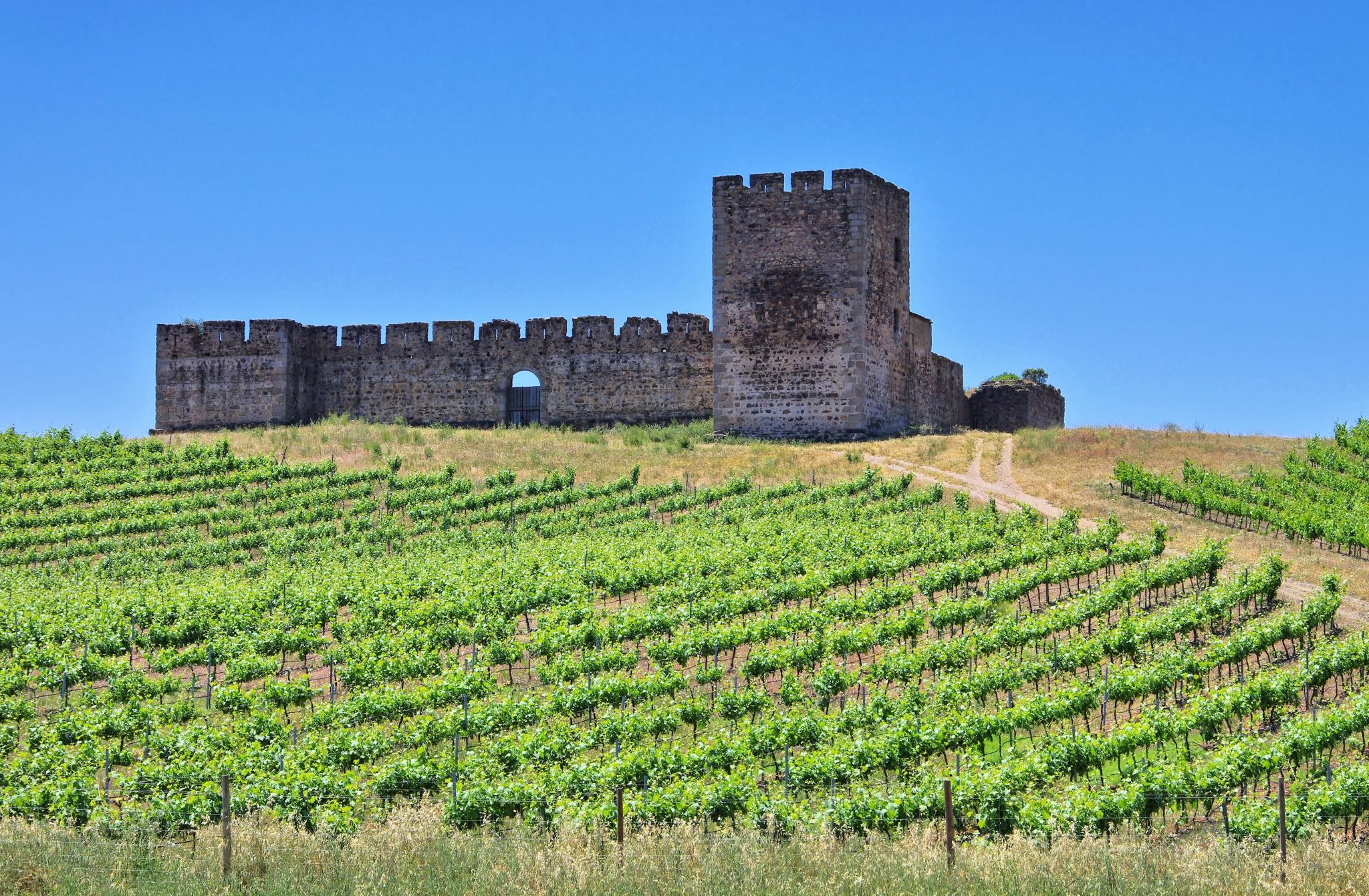
The Great Wine Routes of the World (X): “Alentejo, the Infinite Sea of Vineyards and Olive Groves”
A Definitive Guide for the Wine Tourist
The Plain That Conquers Slowly
Alentejo does not impose itself — it seduces. It has none of the dramatic terraces of the Douro, nor the snow-capped peaks of Mendoza. What it offers instead is the quiet immensity of the plain: kilometre after kilometre of cork oaks, olive groves, vineyards and whitewashed villages beneath a sky of almost aggressive blue intensity. And wines that have gone, in the space of just a few decades, from obscurity to ranking amongst the most acclaimed in Portugal.
Alentejo is one of the two Portuguese regions with the greatest number of wine tourism venues, and its combination of full-bodied red wines — made principally from indigenous varieties such as Aragonez, Trincadeira and Alicante Bouschet — with a landscape of serene beauty and historic cities such as Évora makes it one of the most complete destinations on the Iberian Peninsula.
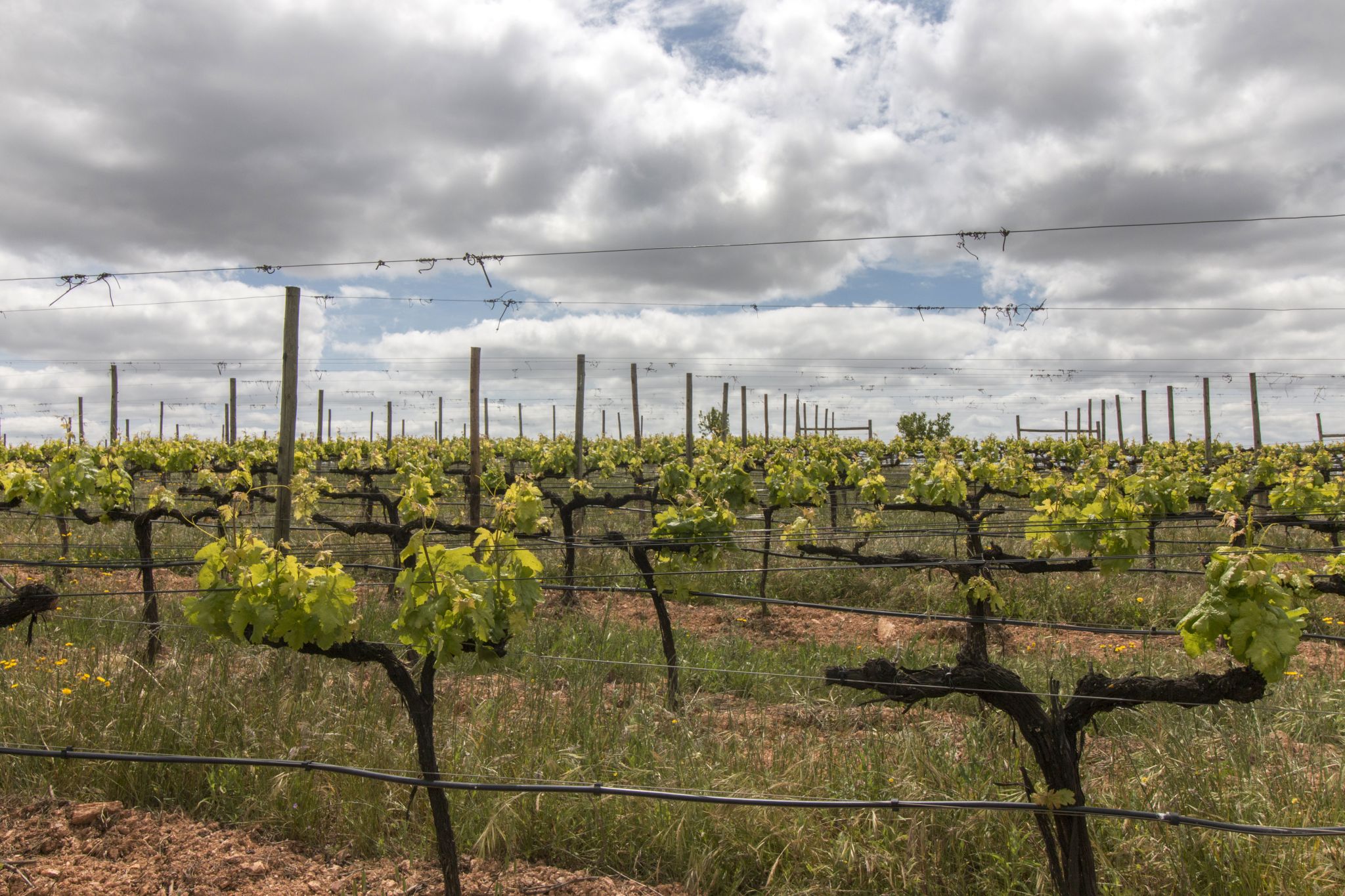
Essential Wineries
Herdade do Esporão (Reguengos de Monsaraz) is the most internationally renowned winery in Alentejo, with a range that combines high-quality whites and reds with an exemplary agritourism project: an on-estate hotel, a restaurant showcasing creative Alentejan cuisine, and guided tours taking in the olive press and centuries-old vineyards. Herdade dos Grous offers luxury wine tourism with accommodation set in the heart of the dehesa, with fighting bulls and white storks as neighbours. Cortes de Cima was a pioneer of organic viticulture in Alentejo and is today a benchmark for sustainable quality. Dona Maria produces some of the most elegant Grandes Reservas in the region. For the very pinnacle of exclusivity, Herdade do Mouchão — owned by an Anglo-Irish family since the nineteenth century — produces the legendary Dom Rafael, one of the most long-lived and complex red wines in all of Portugal.
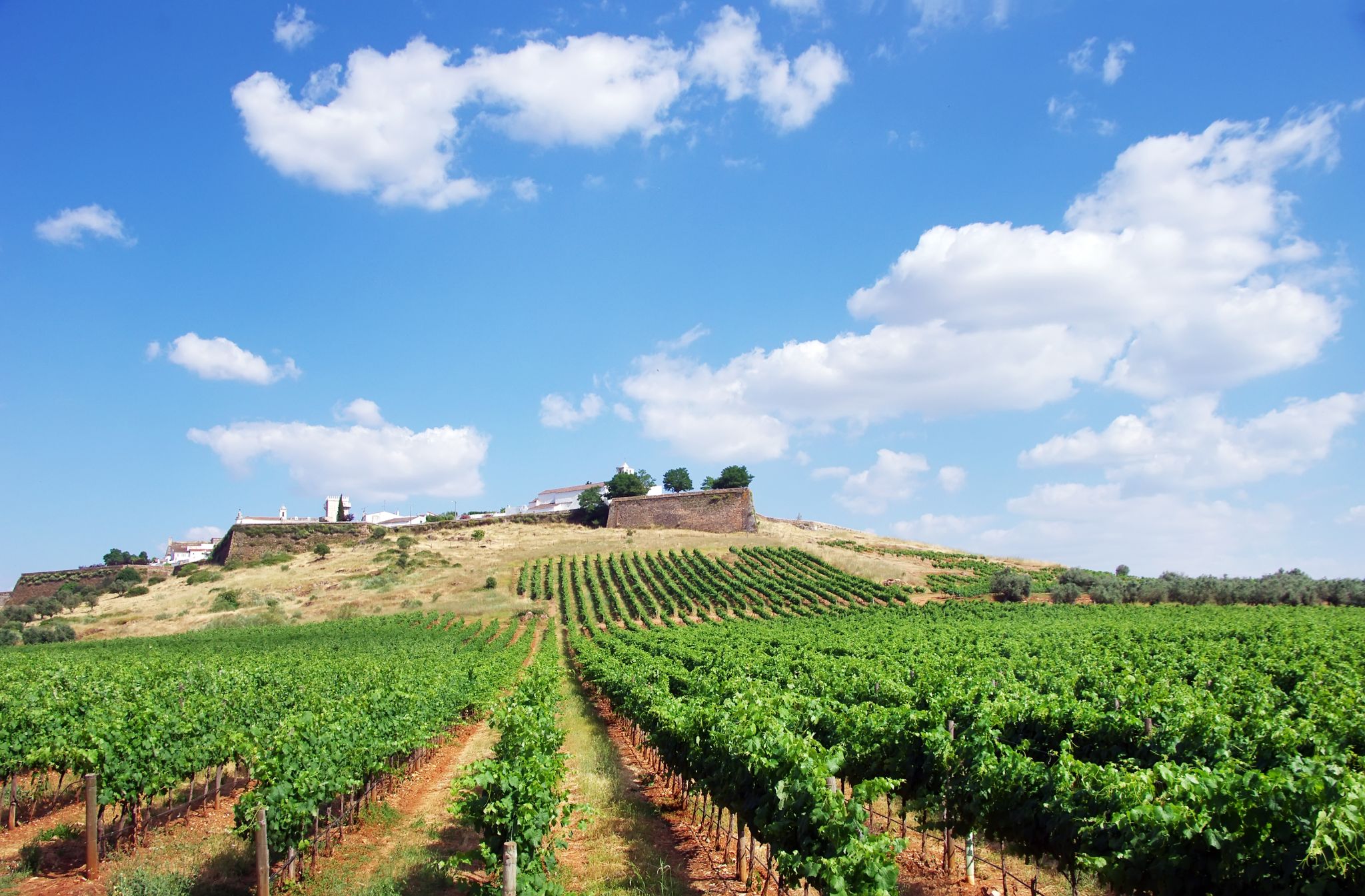
Monuments and Heritage
Évora (a UNESCO World Heritage Site) is the jewel in the crown: its first-century Roman temple, medieval cathedral, Renaissance palaces and the macabre Capela dos Ossos — decorated with the bones of more than 5,000 monks — together form one of the most remarkable historic centres in Europe. The Anta Grande do Zambujeiro dolmen (the largest in Europe) and the Cromlech of Almendres (the largest megalithic complex on the Iberian Peninsula) add a prehistoric dimension stretching back 7,000 years. Monsaraz, a medieval walled village perched on a hilltop overlooking the Alqueva reservoir — the largest artificial lake in Europe — is one of the most iconic images in all of Alentejo.
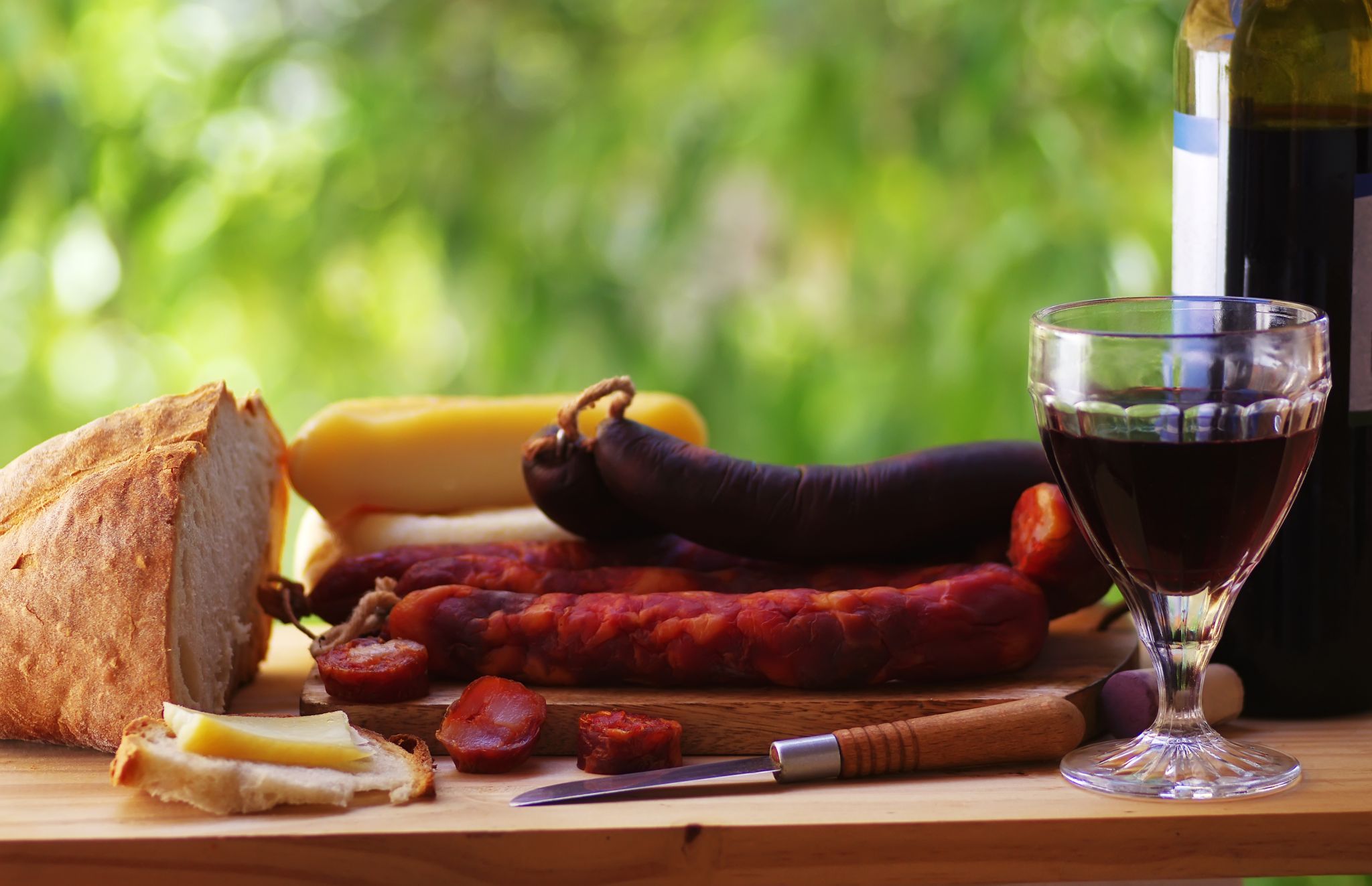
Gastronomy
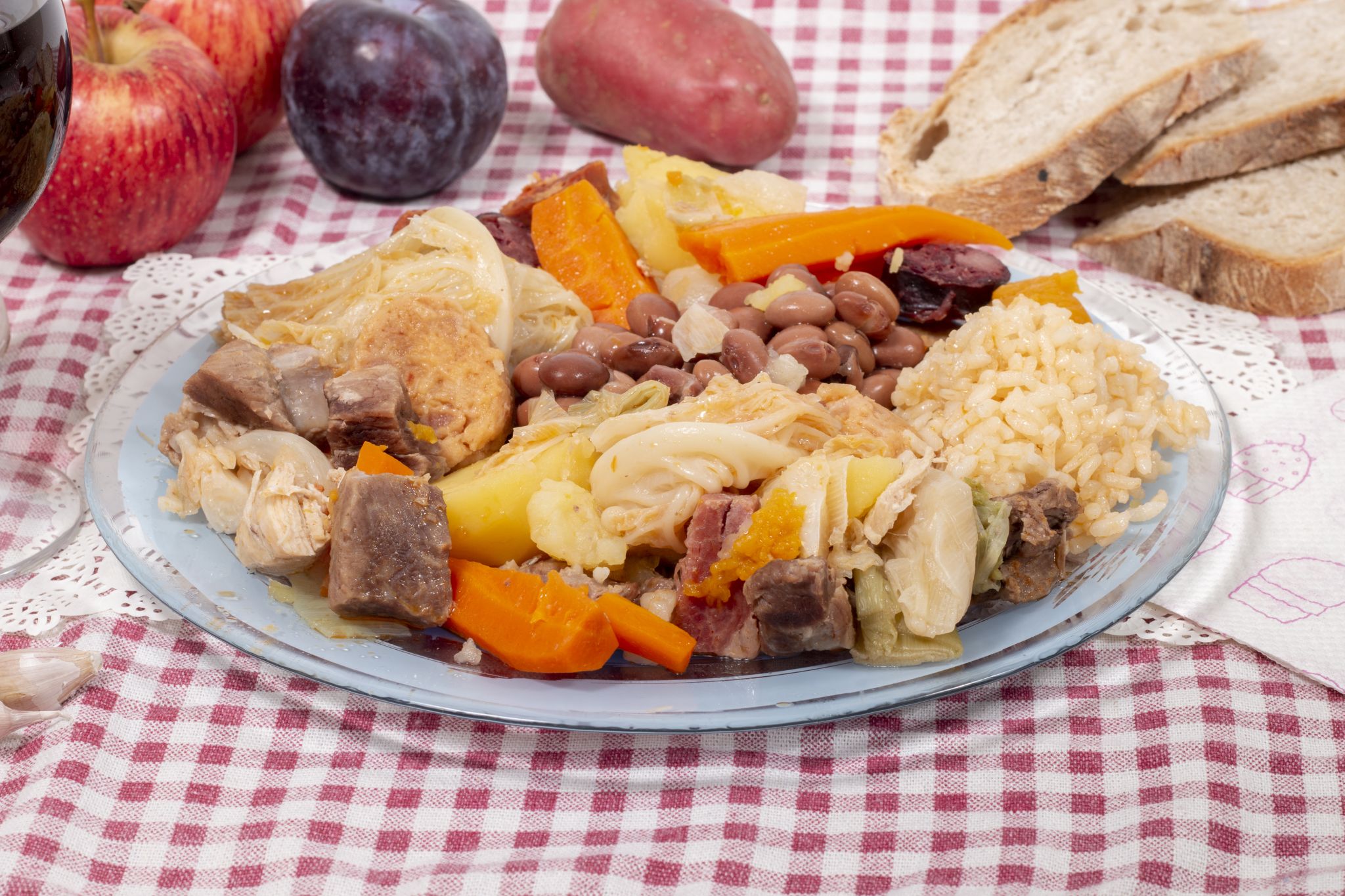
Alentejan cuisine is among the most authentic in Portugal. Migas (bread fried with garlic and olive oil), cozido alentejano (a hearty stew of assorted meats), ensopado de borrego (lamb broth), the cheeses of Évora (PDO-certified, small, well-aged and intensely flavoured) and the presunto de Barrancos (cured ham said to rival the finest Spanish ibérico) are the dishes that simply must not be missed. The olive oils of Alentejo, particularly those made from the Galega variety, are amongst the finest in the world.

Sobrelías Redacción
Sobrelías Redacción