

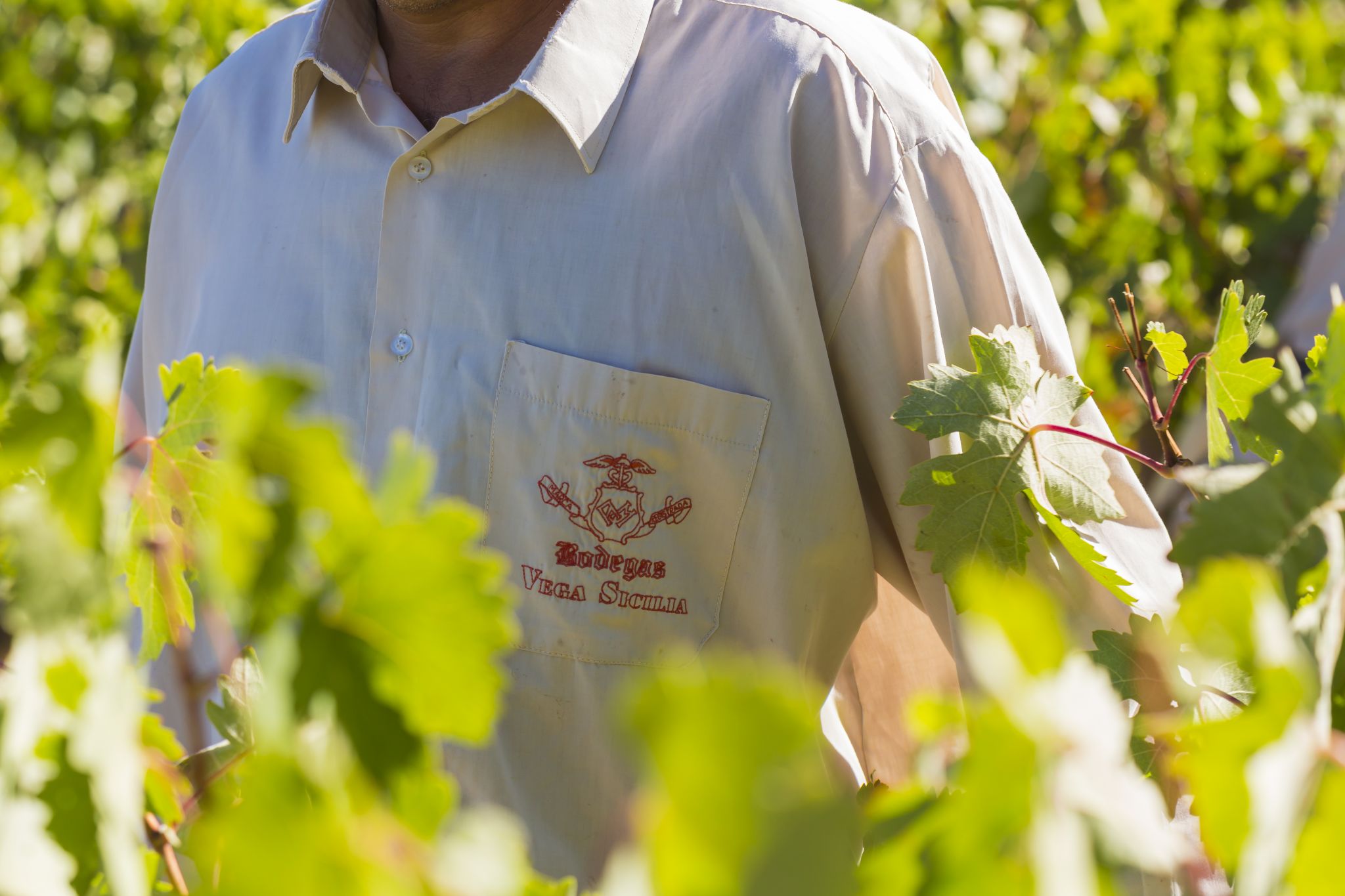


Origins: A Farm, a Dreamer and a Bordeaux Vision
Along the banks of the Duero, where the Castilian plateau carves landscapes of ochre earth and boundless skies, a myth was born. Not the fragile myth of passing fashions or marketing campaigns, but one forged from patience, uncompromising excellence and a profound understanding of the land. Vega Sicilia is today, beyond all dispute, the most celebrated Spanish wine on the planet. Its name evokes in equal measure legend and rigour, scarcity and desire. A bottle of its Único can fetch at international auction prices that rival the finest Bordeaux crus or Burgundy grands crus. And yet its origin was almost accidental: a hard, unyielding plot of earth that no one could have imagined destined for vinous glory.
The story does not begin with wine but with brandy and with land. In 1848, Toribio Lecanda acquired the estate known as Marqués de Valbuena, a sweeping property of nearly 2,000 hectares in the heart of the Valbuena de Duero district, in the province of Valladolid. At the time there was not a vine in sight — it was simply agricultural land.
It was his son, Eloy Lecanda y Chaves, who in 1864 decided to transform the conventional farm into something altogether different. Captivated by the wines of France and possessed of a vision remarkable for his era, he acquired no fewer than 18,000 cuttings from the finest Bordeaux estates: Cabernet Sauvignon, Malbec, Merlot and Pinot Noir. The original intention was to produce brandy and ratafia from the fruit. No one could have anticipated that those foreign rootings, once established in the calcareous clay of the Duero valley, would give rise to something irreplaceable.

Within barely four years of its founding, the estate was already supplying the Spanish Royal Household, a distinction that speaks for itself. This rapid recognition was no accident: the calcareous clay soils, the extreme continental climate at 700–900 metres altitude, and the singular confluence of French grape varieties with Castilian terroir had produced something the world had simply never tasted before.
Domingo Garramiola: the first genius of the cellar
If Eloy Lecanda was the visionary founder, the figure of Domingo Garramiola — also known as Txomin Garramiola — represented the estate’s first true enological leap. Arriving from the Basque Country in the early twentieth century, when the estate was leased to the Riojan businessman Cosme Palacio in 1907, Garramiola introduced advanced viticulture and winemaking techniques drawn directly from Bordeaux. Under his stewardship the cellar began producing still wines of extended ageing with a distinctive and recognisable identity.
The vintages of 1917 and 1918 already earned awards of considerable prestige, cementing a reputation that grew quietly over subsequent decades. Luis Herrero, the then-owner, reportedly gave his bottles only to trusted friends of the high bourgeoisie and aristocracy through the Tiro de Pichón shooting club. They could not be purchased with money — they could only be received as a gift. That sense of exclusivity and unattainability was the first cornerstone of a legend that would take decades to fully consolidate.
The arrival of the Álvarez family: the modern era begins
Throughout the twentieth century the estate changed hands on several occasions. The decisive turning point came in 1982 when David Álvarez Díez acquired the winery. With him began the contemporary chapter: an uncompromising commitment to quality, the expansion of the vineyard to its current 210 planted hectares, and an intelligent programme of growth that would transform Vega Sicilia into the nucleus of a multi-region fine-wine group. That same year, 1982, saw the founding of the Denominación de Origen Ribera del Duero — the estate that had sustained the area for over a century finally received the institutional recognition its terroir deserved.
The Land and the Vine: the Secret of the Estate
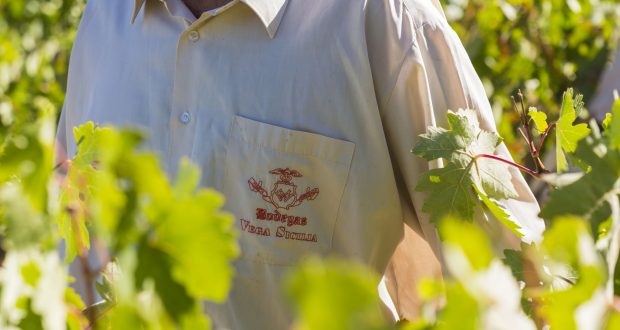
Few wineries in the world can claim the edaphic complexity offered by the Vega Sicilia estate. Of the nearly 1,000 hectares that make up the property, only 210 are given over to the vineyard. The remainder is preserved as natural reserve, pasture or woodland, maintaining an ecosystem that directly influences how the grapes develop and express themselves.
The estate’s technical team has identified up to 19 distinct soil types within the property. Argilo-calcareous soils predominate alongside alluvial and brown earths, all formed over centuries through the influence of the Duero and the sediments it has deposited over millennia. This diversity is fundamental: each plot contributes a different character to the grape, and it is precisely this multiplicity of nuance that enables the winemakers to build blends of a complexity that is extraordinarily difficult to replicate.
The climate is starkly continental: very hot summers with exceptional sunshine hours, long and bitter winters, and scarce rainfall concentrated in spring and autumn. At altitudes between 700 and 900 metres above sea level, cool nights slow ripening dramatically and preserve the natural acidity of the grape — a quality essential to the long-lived wines for which the house has become synonymous.
The three cultivated varieties — Tinto Fino (Tempranillo) as the backbone, alongside Cabernet Sauvignon and, to a lesser extent, Merlot and Malbec — average 35 years of vine age across the estate. The oldest parcels, reserved for the Único, exceed that figure by a considerable margin. Centenarian vines that have spent decades absorbing the character of this singular earth.
The Wines of Vega Sicilia: Each Label, a Philosophy
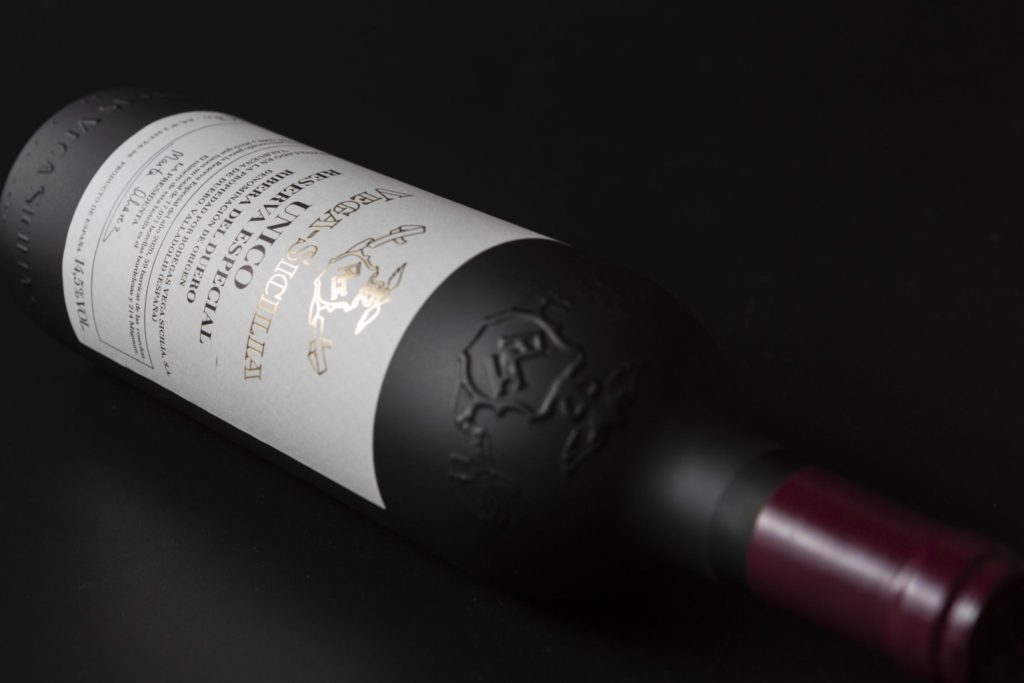
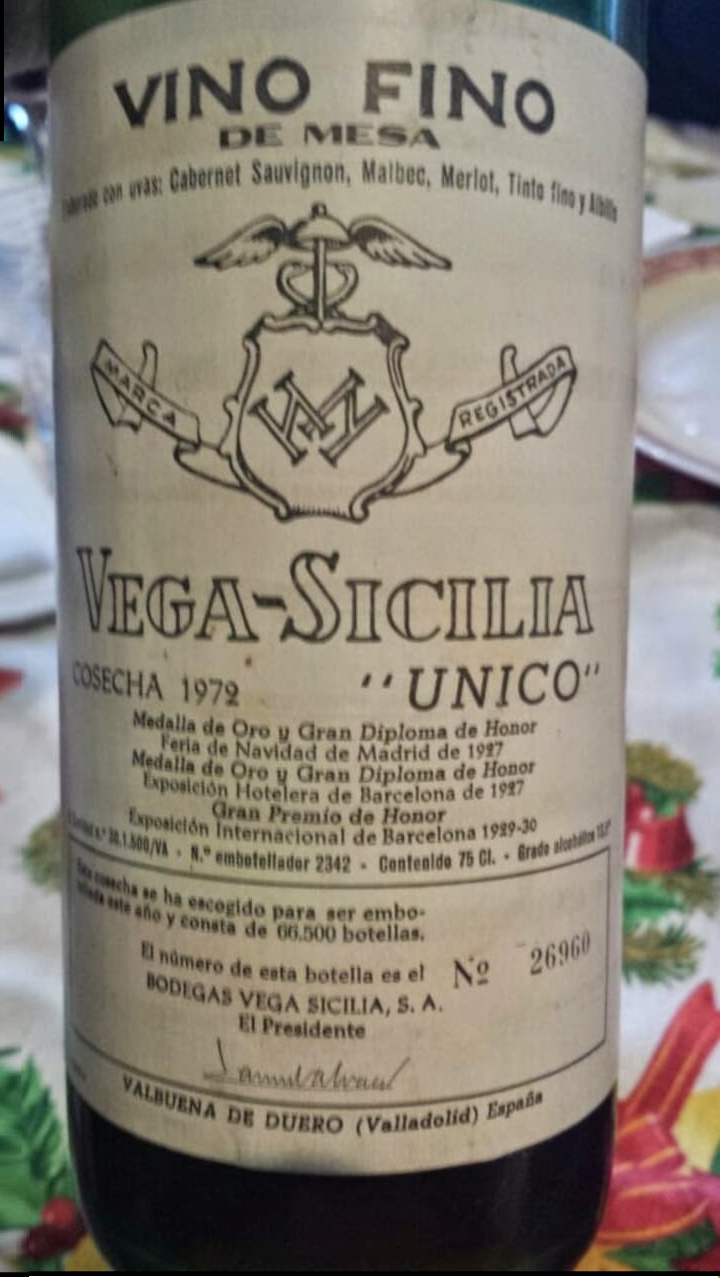
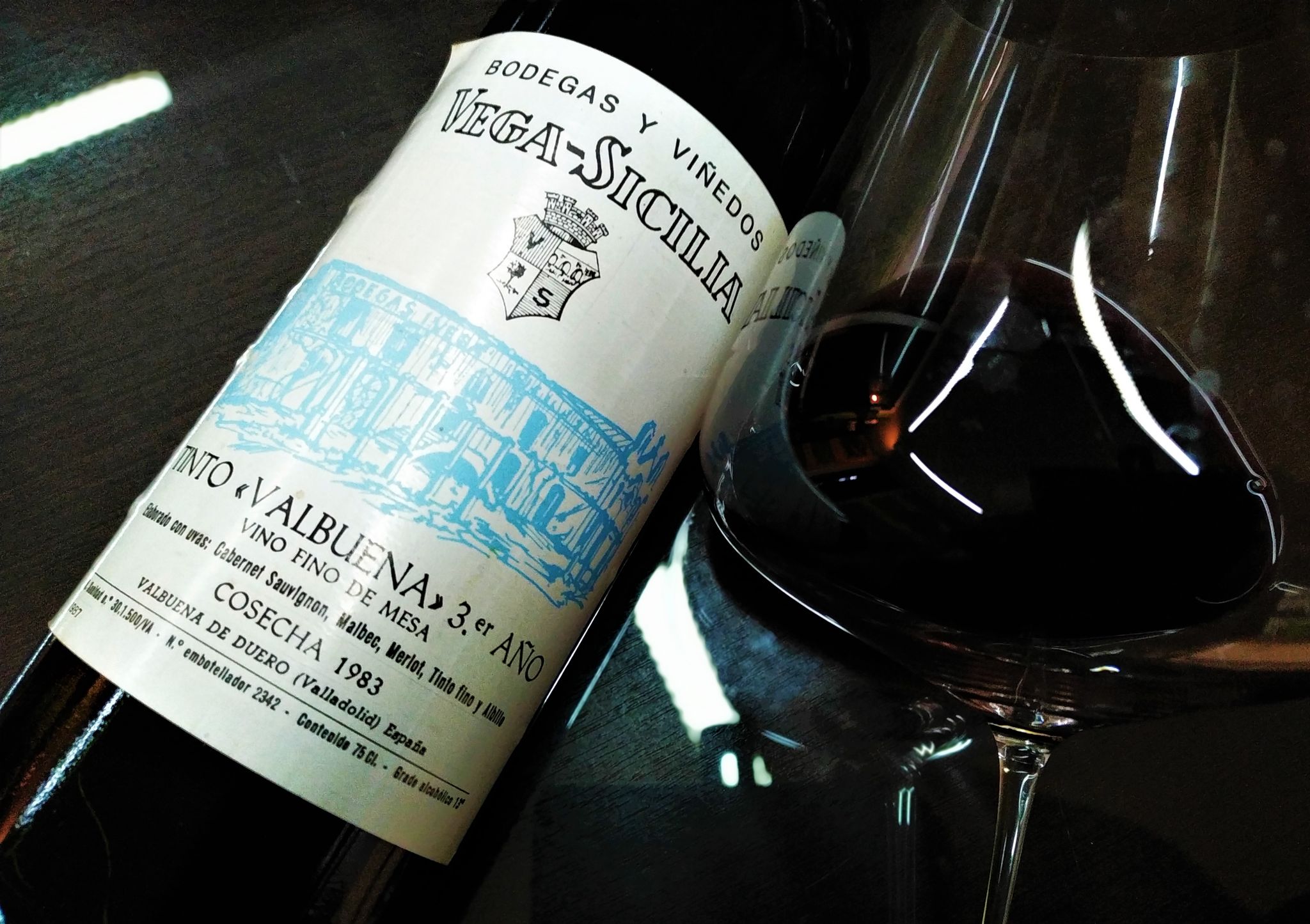
The cellar produces a deliberately small but extraordinarily coherent range, in which every reference carries a perfectly defined identity and a specific role within the narrative of the house.


Comparative Tasting:
Único 1989, 1991 & 1994
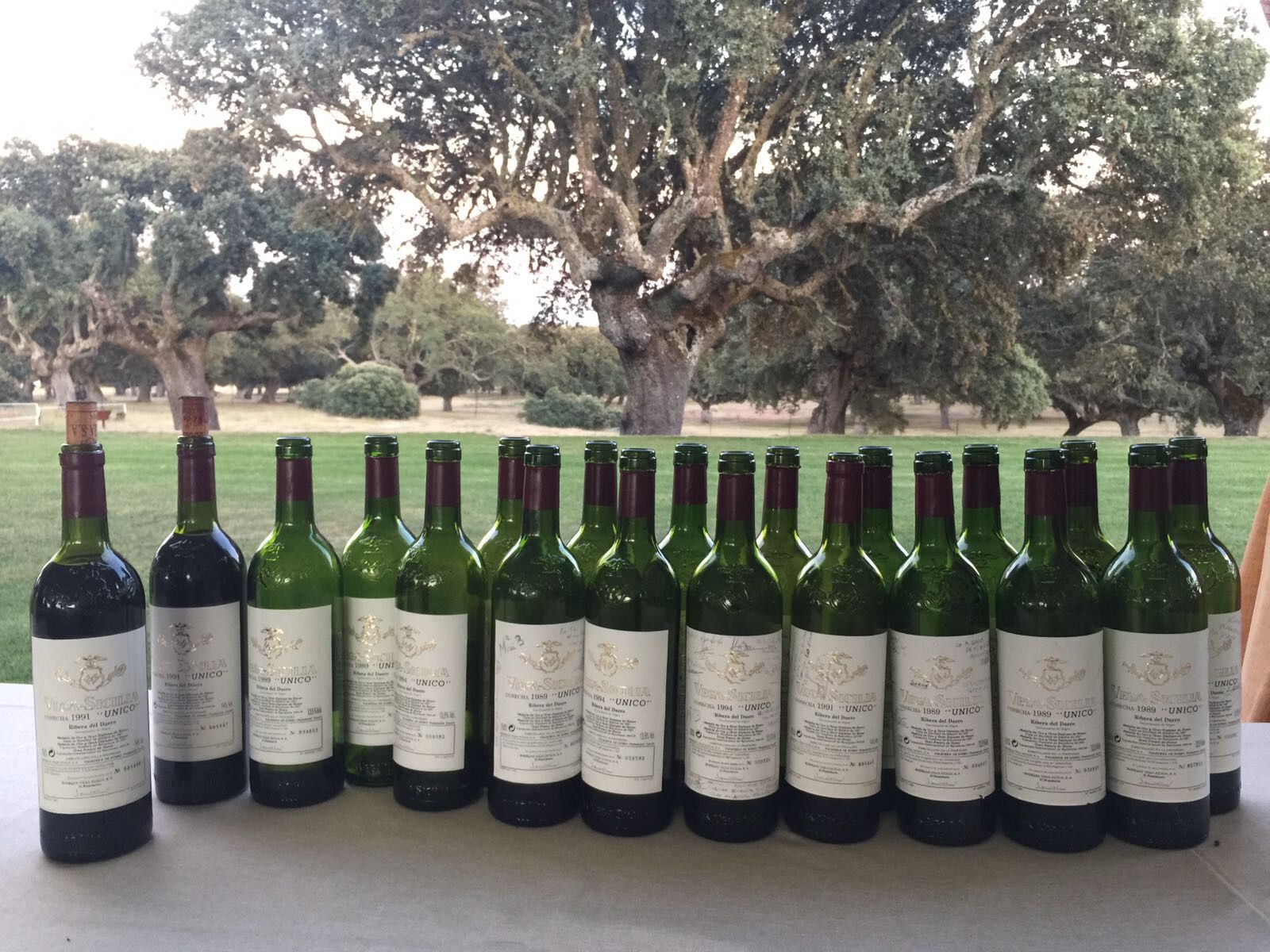
Three portraits of a golden era. Tasted in perspective — with more than three decades of bottle age — these wines represent one of the most compelling enological experiences a connoisseur can encounter. The late 1980s and early 1990s mark the period in which the Álvarez family was consolidating their project under the direction of cellar master Mariano García.
Comparative Reflection: Time as an Ingredient
Placed side by side, these three vintages speak of a single philosophy but in quite different voices. The 1989, with the highest proportion of Cabernet Sauvignon (20%) and the longest oak maturation of the trio, is the most Bordelais of the group: refined to the extreme, subtle where the others are exuberant, possessed of that capacity to appear frozen in time that only great wines with perfectly calibrated acidity can achieve at this age.
The 1991 is arguably the most balanced of the three. Widely praised by critics at the time of release, it has aged almost ideally across the decades: the power of a generous harvest has gradually ceded to ever-increasing elegance, and today it offers an experience in which wine and drinker seem to understand each other without words.
The 1994 is the most opulent, the most baroque and, in many respects, the most quintessentially «Vega Sicilia» of the group: that blend of power and delicacy, intensity and finesse, in which every sip differs from the last. It is the vintage that can continue evolving most favourably; for well-stored bottles, resisting the urge to open them is almost a vinous virtue. All three share one inescapable common denominator: the Castilian acidity — that nerve running through every Único — which is, ultimately, the insurance policy on their extraordinary longevity.
The TEMPOS Group: a Vision Beyond the Duero
The Álvarez family understood early that the model of excellence at Vega Sicilia could be exported to other terroirs. Thus was born, progressively, the TEMPOS Vega Sicilia group — a constellation of estates bound by the same philosophy but rooted in clearly differentiated territories.
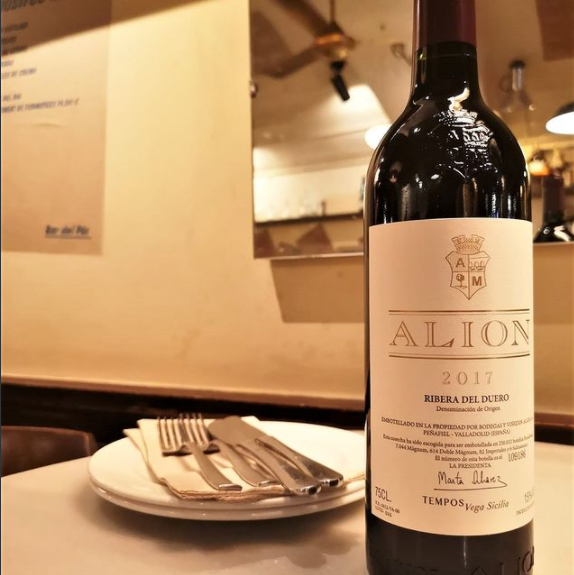
Bodegas Alión
Also in Ribera del Duero but with a different focus: more modern, more immediately approachable, with shorter ageing in new oak. Alión was the family’s response to a Ribera del Duero that was changing rapidly.

Tokaj Oremus, Hungary
The first international venture: the acquisition of a winery in the legendary UNESCO-listed Tokaj region, producing sweet wines from Botrytis-affected grapes — a radically different experience, yet entirely coherent with the house’s pursuit of excellence.
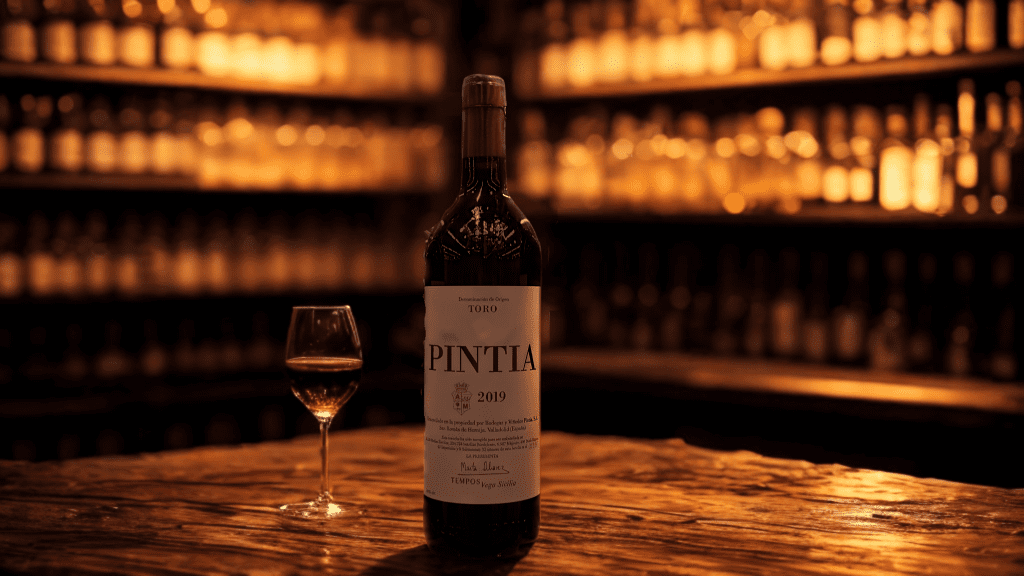
Bodegas Pintia, Toro
Exploring the robust potential of Tinta de Toro — an especially powerful local expression of Tempranillo — in the sandy soils and extreme climate of the DO Toro.
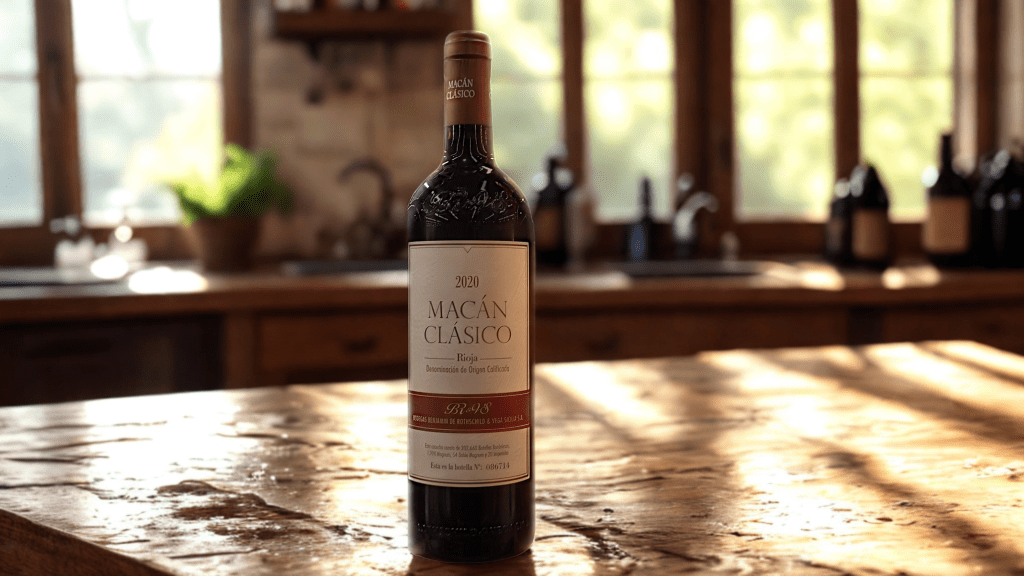
Macán, DOCa Rioja
A historic alliance with the Rothschild family (Benjamin de Rothschild, co-owner of Château Lafite). An unprecedented event in the history of Spanish wine. The winery, designed by architect Enrique Johansson in Samaniego, was inaugurated in June 2017.
Rías Baixas, Galicia
Coinciding with the 40th anniversary of the Álvarez acquisition, the group announced its entry into Rías Baixas to produce Albariño whites, extending the group’s palette to the Atlantic northwest and the most internationally celebrated variety of Galician viticulture.
International Recognition: an Ambassador Without Equal
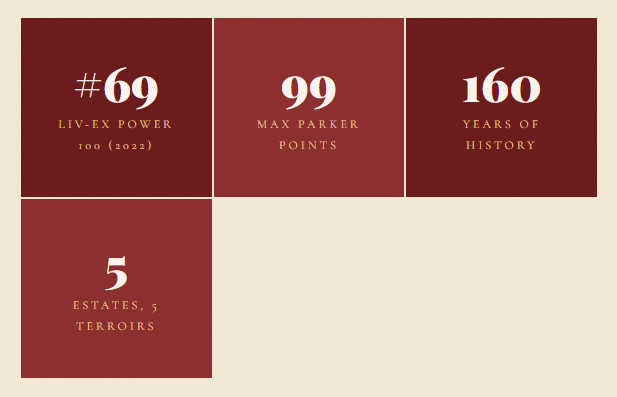
Vega Sicilia occupies a uniquely singular position in the international fine-wine landscape. It is the only Spanish winery that appears consistently in the Liv-ex Power 100, the ranking compiled annually by the world’s leading fine-wine trading platform. In the 2022 edition it climbed to 69th place, advancing eleven positions year-on-year. In a list overwhelmingly dominated by Bordeaux and Burgundy, the sustained presence of a Spanish winery in that territory is an extraordinary achievement.
Its wines are distributed in the world’s most demanding markets: the United States, the United Kingdom, Japan, Germany, Switzerland and the major emerging Asian markets. The Único features on the wine lists of the finest restaurants on earth and is an object of desire in the salerooms of Christie’s and Sotheby’s. A bottle of Único from a legendary vintage can fetch between €500 and over €2,000 depending on the market, while magnum or double-magnum formats of historic harvests have exceeded €10,000.
Critical recognition is equally robust. The Guía Peñín has repeatedly awarded it the highest scores in Spain. Robert Parker and the Wine Advocate have consistently rated its finest vintages above 96 points, reaching 99 or even 100 on rare occasions. James Suckling and Tim Atkin have both described the Único as one of the most memorable red wines in Europe. Decanter, the most influential English-language wine publication, has placed it in multiple features among the wines every serious lover of the table should taste in their lifetime.
The business model of honest scarcity
The commercial model of Vega Sicilia is as distinctive as its winemaking philosophy. The cellar does not produce to meet market demand but according to what the land and the vintage permit. When a harvest does not meet the standard required for the Único, there is simply no Único. This inviolable discipline is what has guaranteed that every bottle reaching the market is genuinely exceptional.
Production of the Único is deliberately limited. In the most generous vintages, slightly more than 100,000 bottles have been produced, but in more selective harvests the figure may be halved or less. This calculated scarcity is compounded by a carefully selected distribution network and an allocation system that makes access to the finest vintages a privilege almost as coveted as the wine itself. This economy of honest scarcity — not artificially manufactured but the genuine consequence of real standards — is a lesson in brand-building that very few wineries in the world have been able to replicate with equal authenticity.
Suggestions & Final Reflections
For those wishing to discover Vega Sicilia
The winery offers private visits with tasting, though the most complete experience requires reservations several weeks in advance given the very limited number of visitors admitted per session. A morning in Valbuena de Duero, exploring the historic winery and its vineyards, ranks among the most enriching experiences that Spanish wine tourism can offer. The surrounding landscape, furthermore, is one of the most austere and beautiful in all of Castile.
When and how to open one of these three vintages
If you are fortunate enough to own a well-stored bottle of the 1989, 1991 or 1994 Único, we recommend decanting gently at least two hours before service. The ideal serving temperature sits between 17 and 18°C. Use a wide Bordeaux-style glass that allows progressive oxygenation. Do not overwhelm the wine with overly powerful food pairings: a Castilian suckling lamb, a hare à la royale, or wild mushrooms with black truffle will be far more sympathetic companions than any heavily spiced preparation. The 1989 should be opened soon if storage provenance is uncertain. The 1991 is in its ideal window now. The 1994 can wait a few more years, but there is no reason to delay indefinitely if the bottle has aged gracefully.
A winery that looks to the future without forgetting its essence
The appointment of Gonzalo Iturriaga as Technical Director in 2015 marked a generational transition in which the cellar committed to preserving the soul of the Único — its slowness, its patience, its complexity — while adapting certain processes to the demands of contemporary sustainable viticulture. The winery is working on the preservation of the genetic material of its centenarian vines, keenly aware that within that genetic diversity lies part of the secret of its irreplaceability.
“Vega Sicilia is, in the end, far more than a winery or a brand. It is the demonstration that time, when made an ally rather than an adversary, can transform earth, grape and human labour into something approaching the sublime. It is the proof that Spain possesses, within its own vinous history, the resources to compete with the greatest wine estates in the world. And it is, above all, a reminder that patience — that rarest of virtues in the contemporary world — remains the essential raw material of true excellence”.

Sobrelías Redacción
Sobrelías Redacción