


Bodegas Hnos. Pérez Pascuas – Viña Pedrosa: When the Flock Tends the Vine — Grazing and Tradition in Service of the Terroir
The Vineyard in Its Most Authentic State
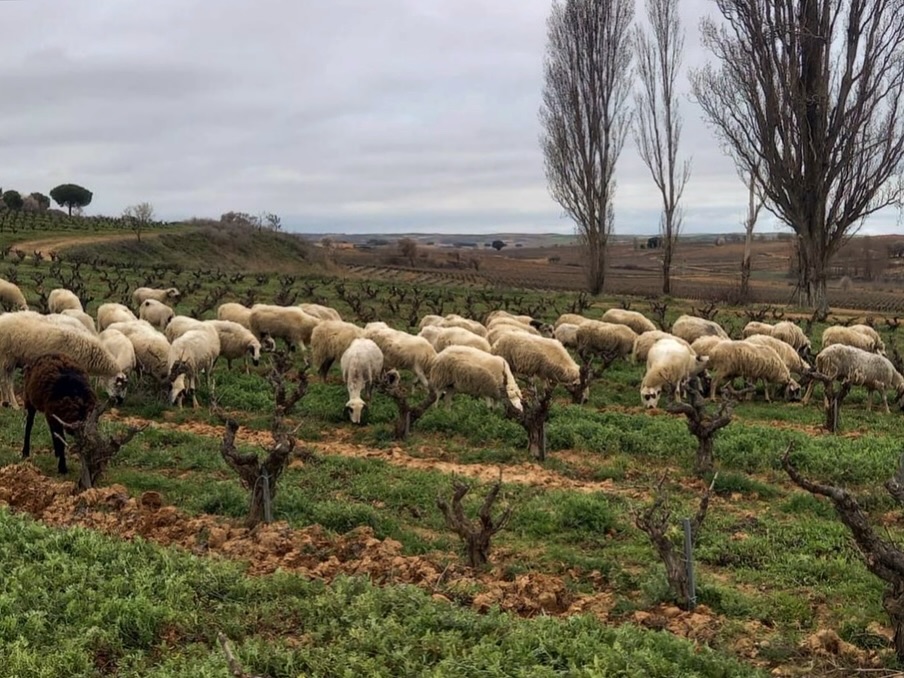
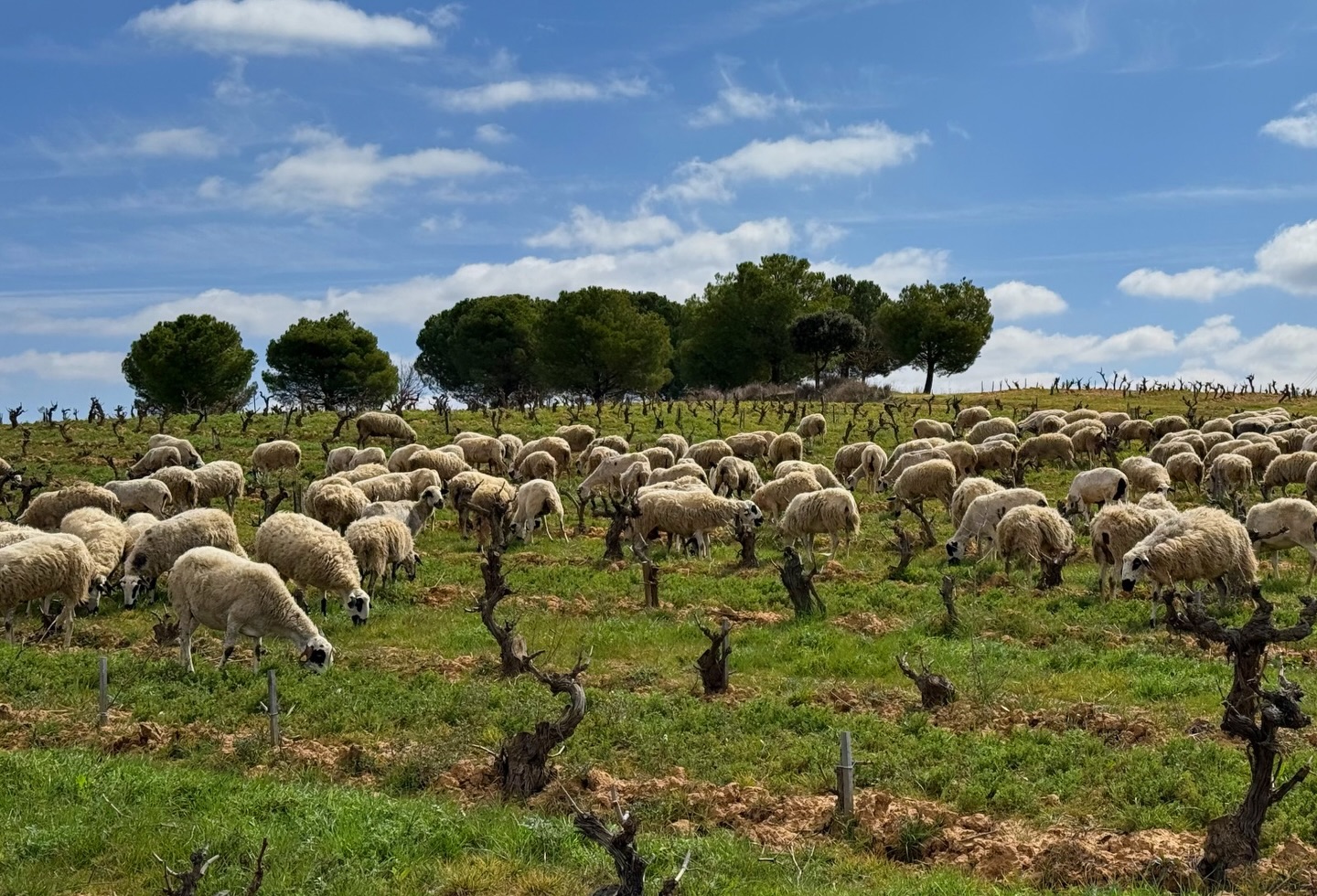
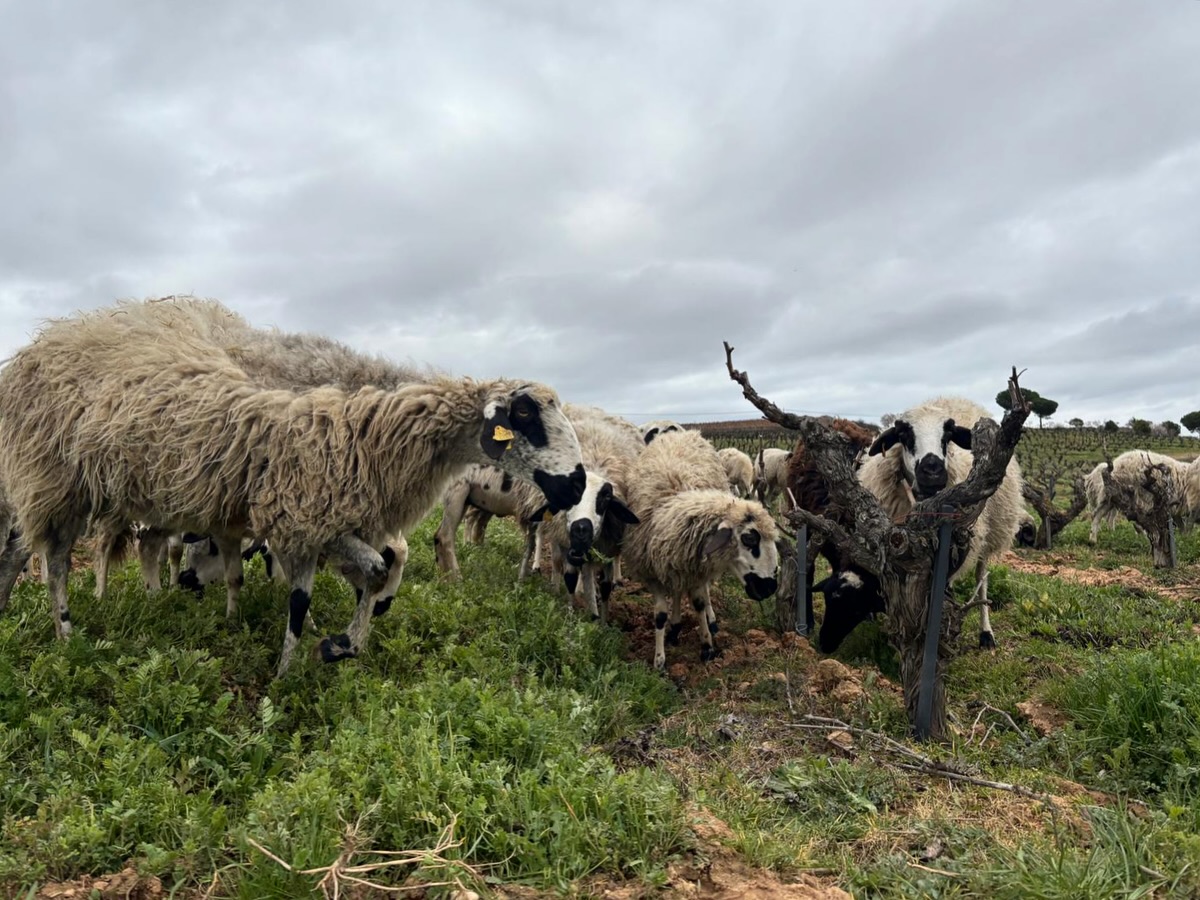
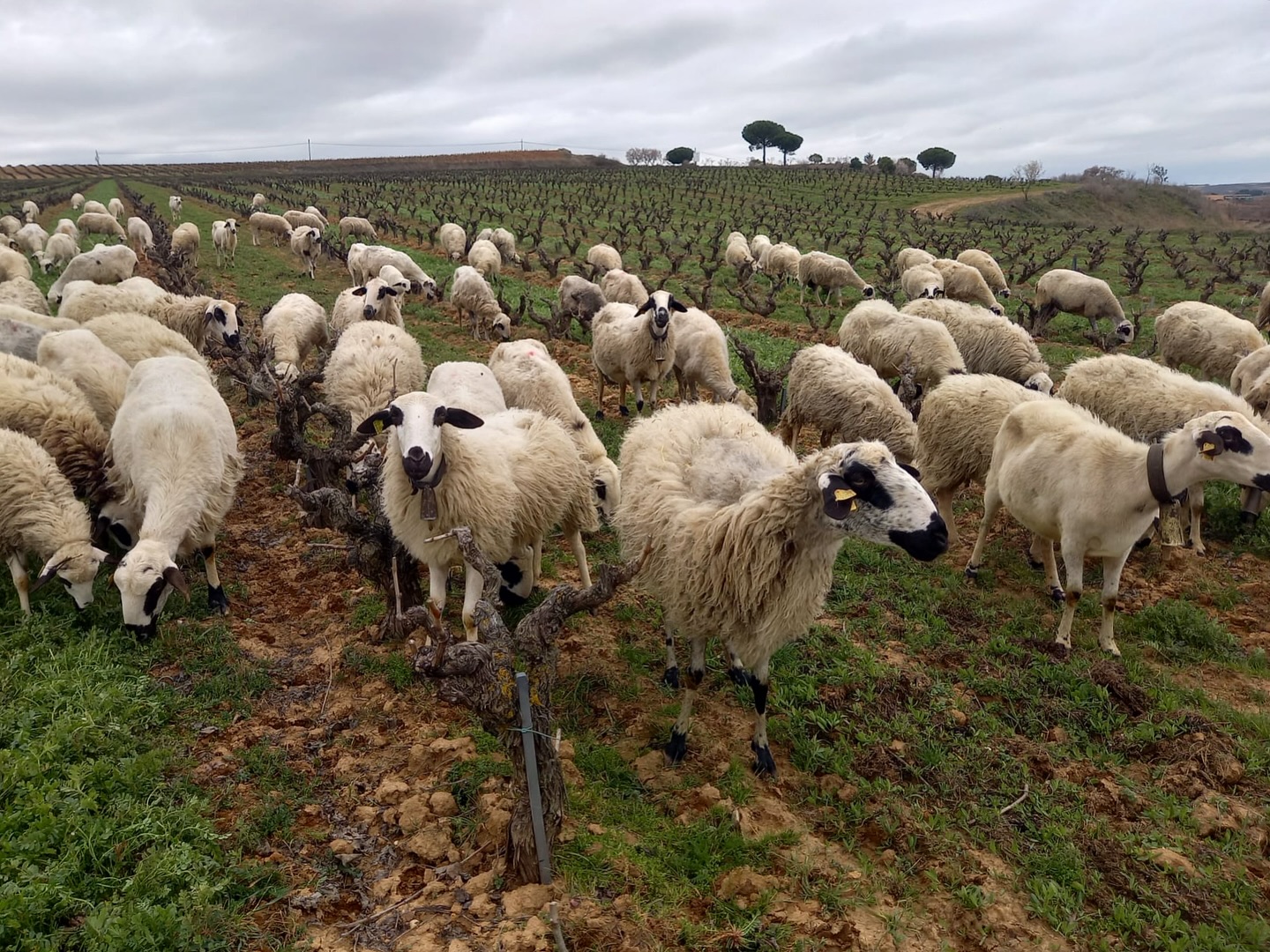
There is a moment each year when the vineyards of Ribera del Duero fall silent. The vines stand bare beneath the Castilian sky, the earth rests, and the cold presses down upon the clay-limestone soils of Pedrosa de Duero. It is then that a flock takes over. While the vines lie dormant, the livestock graze between the rows, nibbling at the ground cover, gently turning the soil with their hooves, and depositing organic matter across the land. A seemingly simple spectacle that conceals, in reality, one of the most sophisticated gestures in viticultural care: allowing nature to do its own work.
This is the commitment of Bodegas Hnos. Pérez Pascuas – Viña Pedrosa, one of the most respected and long-standing references in the Denominación de Origen Ribera del Duero, which has integrated grazing into its vineyards as part of a regenerative viticulture model whose ultimate aim is the terroir itself: wines that are more expressive, more honest, more alive.
One Family, One Land, Nearly Half a Century of History
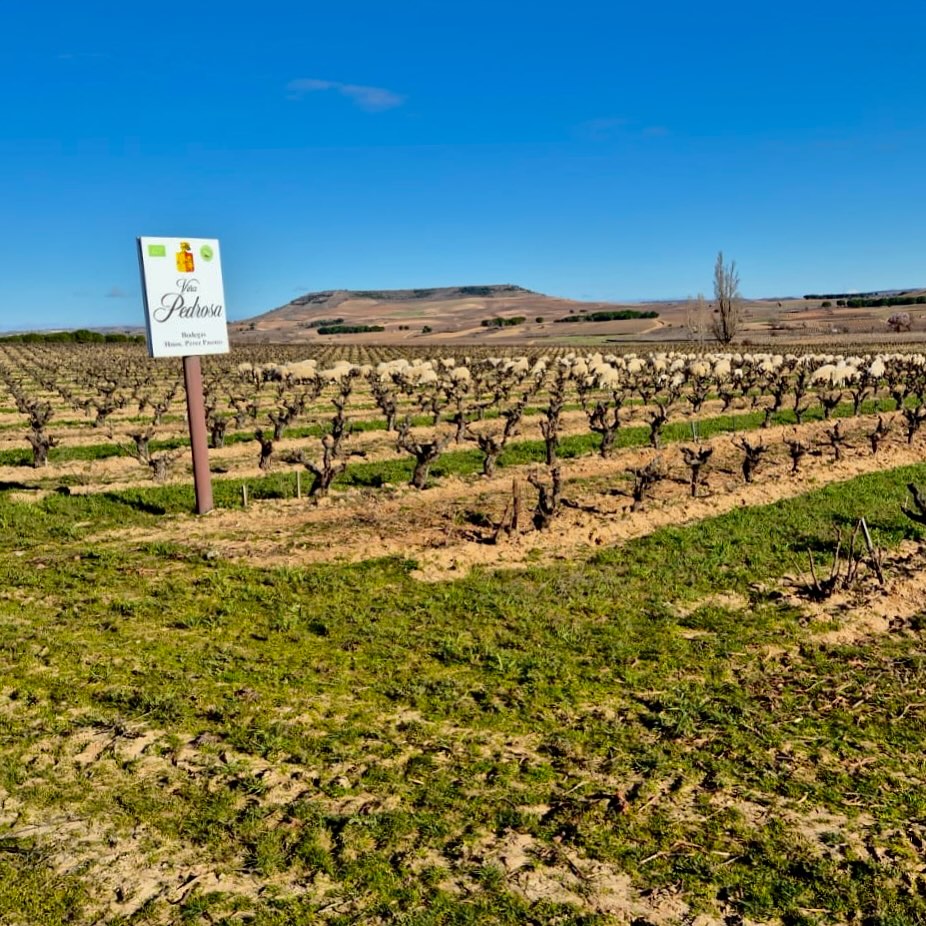
In the heart of Ribera del Duero, at a time when no one could yet imagine the winemaking potential of these lands, one family decided to stake everything on the vineyard as a way of life. It was 1980, the Denominación de Origen did not yet exist, and whilst many were uprooting vines to plant cereal crops, the Pérez Pascuas brothers gazed at the horizon with unwavering conviction: great wines could be born here.
The story of Viña Pedrosa begins with Mauro Pérez and the land he worked and loved throughout his entire life. A hardworking man of innate intelligence, he knew how to pass on to his children a deep respect for the land and a dedication to work done well. The vineyards he left to his family form the very foundation of the winery as it exists today. Mauro transmitted to his three sons — Benjamín, Manuel, and Adolfo — a reverence for the land and its traditions, as well as an unrelenting pursuit of excellence.
Convinced of the extraordinary potential of the family vineyard, the Pérez Pascuas brothers resolved to establish their own winery, determined to turn their great dream into reality: the production of wines of the highest quality whilst keeping a long winemaking tradition alive. That dream took shape in 1980, when Bodegas Hermanos Pérez Pascuas was officially founded.
Today, four and a half decades on, the winery holds more than 130 hectares of estate vineyard, certified as organic, with an annual production of 600,000 bottles focused entirely on aged reds made from 100% Tinta del País. Their wines travel to more than 50 countries, yet the soul of Viña Pedrosa remains exactly what Mauro Pérez planted all those years ago: a profound respect for the land of Pedrosa de Duero.
They were pioneers in Ribera del Duero, championing indigenous yeasts, extended macerations, malolactic fermentation in barrel, and bottling without fining or filtering — details that define a distinctive style of classical wines with an elegant rusticity, made to evolve in the bottle.
The Soil: The True Origin of Wine
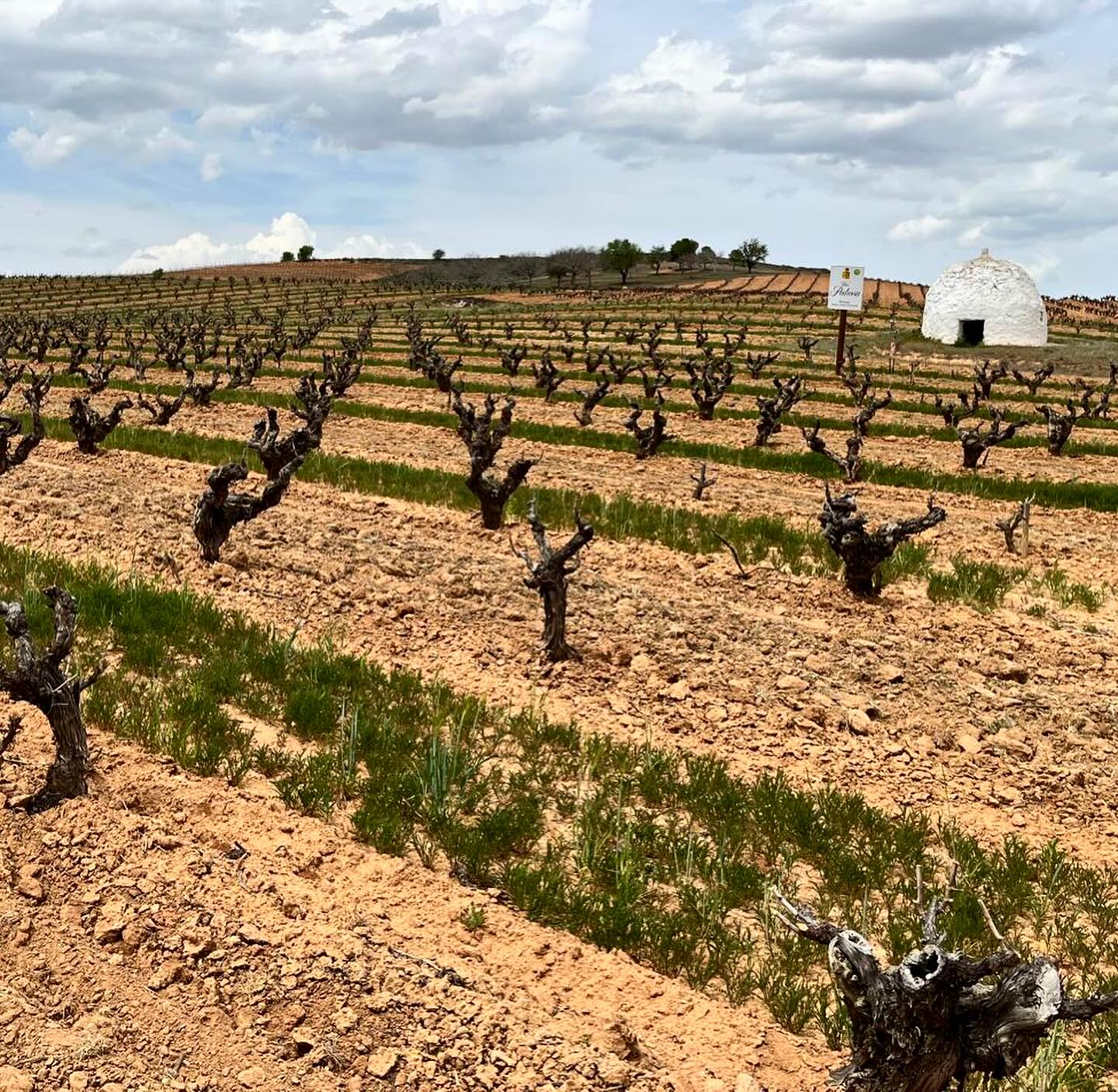
Before a grape ever reaches the winery, before the vine even begins to bud in spring, the wine is already in the soil. This conviction, shared by the world’s greatest winemakers and the most forward-thinking agronomists alike, is the starting point for Viña Pedrosa’s regenerative approach.
Extreme altitude, poor and shallow soils, scarce rainfall, and wide thermal swings between day and night during the grape-ripening months are all key factors in achieving the finest quality fruit. The advanced age of the vines, combined with meticulous work in the vineyard, yields small harvests of grapes that become the truest expression of a land that is both unforgiving and generous.
That land demands care suited to its own nature. No heavy machinery, no herbicides, no chemicals that might compromise the soil’s microbiology. A viticultural model that goes beyond the merely organic — one that is regenerative: sustainable and rooted in tradition, focused on restoring life to the soils. Through the use of cover crops, the vineyard achieves living, healthy soils that are better equipped to withstand drought, more capable of capturing atmospheric CO₂, more resistant to erosion, and more hospitable to biodiversity — all of which, without question, feeds through into the quality of the grapes and, in turn, of Viña Pedrosa’s wines.
The Flock as a Living Tool
Grazing between vineyards is no passing trend. It is an ancestral practice that industrial viticulture pushed aside for decades, and which regenerative viticulture is now reclaiming — with scientifically supported results.
Livestock encourage root growth through free-range grazing and return minerals to the soil, nourishing insects and birds, and working alongside plants that transform those minerals to maintain a natural balance in the field. Every animal that walks between the vines is, in effect, an agent of fertility: its droppings enrich the soil naturally, without the need for external inputs; its hooves aerate the surface layer without over-compacting it; and its grazing keeps the cover vegetation in check, preventing it from competing excessively with the vines for water and nutrients.
Holistic grazing management involves the use of animals to graze and naturally fertilise the soil, improving its structure and its capacity to retain water. On the Burgos plateau, where summer drought is a constant and erosion a genuine threat, this water retention capacity is of immeasurable value.
The passage of animals across the land contributes organic matter naturally, enriching the soil without recourse to chemical fertilisers. The result is a soil that is more biologically active, more resilient, and more capable of conveying to the vine everything that makes a wine taste of one particular place and nowhere else. In short: more terroir in every glass.
A Sustainability That Yields Authentic Wines
Viña Pedrosa’s commitment to the land is not merely rhetorical. It is backed by concrete decisions and the certifications that bear witness to them.
Amongst the practices they uphold, the winery uses no herbicides, pesticides, or fungicides; any insect management relies on ecological and sustainable methods such as pheromones and sexual confusion techniques. Herbicides are eschewed entirely in order to preserve the cover crops and guarantee the biodiversity of the surrounding environment. Over recent decades, the estate has also planted more than 20 hectares of native woodland — holm oaks, English oaks, cork oaks, pines, walnut trees, and almond trees — interspersed with herbaceous species to foster a natural balance around the vineyards.
Viña Pedrosa was the first winery in the Denominación de Origen Ribera del Duero to register with the Carbon Footprint, Offsetting, and CO₂ Absorption Projects Registry of the Spanish Ministry of Agriculture, Food, and the Environment. A distinction that speaks of a winery that does not wait for circumstances to force change, but leads the way.
The most recent expression of this commitment has its own name: Viña Pedrosa El Otero 2023, their first organic and vegan wine, born of years of work and absolute respect for the vineyard. El Otero comes from one of the highest parcels on the estate, situated at 870 metres above sea level, where the vine finds a natural equilibrium with the clay soils and the extreme climate of Ribera del Duero.

The Cycle That Never Ends
Tradition and respect for the land. When the flock grazes amongst the sleeping vines, it is preparing the soil for the next cycle. It is enriching the terroir from which the next Viña Pedrosa Reserva will be born, the next Gran Reserva that will rest in oak barrels before finding its moment in the glass of someone, somewhere in the world, who will wonder where such character comes from.
The answer begins in the soil. In those sheep that walk unhurriedly between the rows each winter. In the legacy that Mauro Pérez passed on to his sons more than four decades ago, still very much alive today — generation after generation — in every bottle of Viña Pedrosa.
Every bottle holds far more than a great wine. It is the reflection of a way of understanding life, of a viticulture that respects the rhythms of nature and believes in work done properly.
Soon, the vines will fill with life once more. And everything will begin again.
When the Flock Tends the Vine

Sobrelías Redacción
Sobrelías Redacción