


NON-ALCOHOLIC CAVAS
All the toast, none of the alcohol: a guide to dealcoholized sparkling wines and cavas
Non-Alcoholic Cavas: A Celebration for Everyone
Of all the categories of dealcoholized wines, non-alcoholic cavas is the one that has most naturally found its place in the market. The reason is simple and powerful: the bubble. The CO2 that defines a sparkling wine is a fundamental ally during the dealcoholization process, helping to preserve freshness, a sense of complexity, and the overall sensory experience in the glass — compensating for some of the organoleptic loss that comes with removing the alcohol.
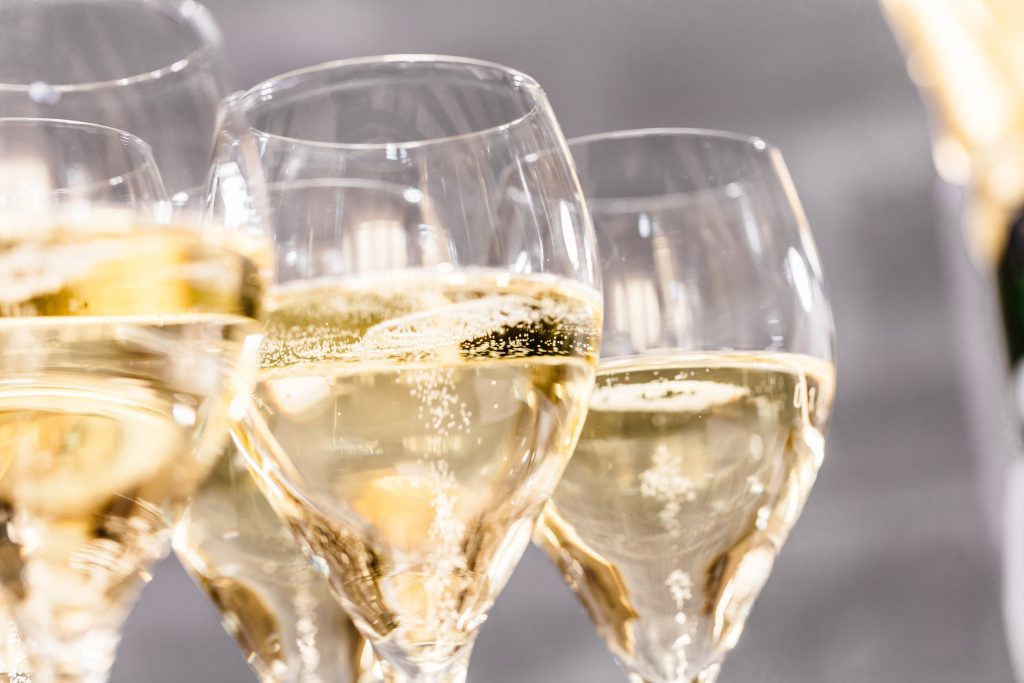
Beyond that, cava and sparkling wines serve a very specific social function: the toast. At weddings, celebrations, corporate dinners, family gatherings, or simply on a Friday evening, non-alcoholic sparkling wine allows everyone at the table — pregnant women, designated drivers, teetotalers, athletes, or simply those who have decided not to drink that night — to raise a crystal glass with something genuinely festive inside.
Non-alcoholic cava is the perfect option for celebrating without exclusion. All the ceremony of the toast, without the alcohol.
What Sets Non-Alcoholic Cavas Apart from Non-Alcoholic Champagne or Prosecco?
The term cava refers to a Spanish Denominación de Origen (DO Cava), produced primarily in Catalonia using varieties such as Macabeo, Xarello, and Parellada, and made using the traditional method or champenoise (secondary fermentation in the bottle). Technically, for a sparkling wine to be called cava, it must comply with these geographical and production regulations.
The best-known non-alcoholic cavas on the Spanish market — Codorníu Zero and Freixenet 0.0 — begin as conventional cavas to which the dealcoholization process is subsequently applied. The result preserves the identity of the cava: its fine, persistent bubble, its notes of pastry and green apple, and its characteristic acidity.
Non-alcoholic champagne would be the French equivalent, though the range in this segment remains limited and expensive. More accessible are the non-alcoholic sparkling wines produced outside specific denominations of origin, such as Noughty (made from organic Chardonnay) or Leitz Eins-Zwei-Zero Sekt (a German designation), which compete with non-alcoholic cavas on both quality and price.

How Are Made
The starting point is a complete conventional cava, produced according to the traditional method. Once the sparkling wine is ready — with its aromas, acidity, and bubble — the dealcoholization process is applied. The particular challenge with sparkling wines is that the CO2 must be preserved or reintegrated after the alcohol has been removed.
The most commonly used techniques are:
Low-temperature vacuum distillation: the most widely used by major Spanish brands. The bubble is preserved through subsequent controlled carbonation.
Spinning cone column: more precise in aroma extraction, it produces more complex non-alcoholic sparkling wines. Used by premium brands such as Noughty.
Interrupted fermentation: some producers halt fermentation very early, producing a low-alcohol sparkling wine (between 0.5% and 2% ABV) with natural sweetness. This is not technically a dealcoholized wine, but it is marketed within the same category.
The bubbles in the final product may be natural — preserved from the original process — or added afterwards through carbonation. The best brands work to maintain the finest possible perlage (bubble size and persistence), as this is one of the most visible quality indicators in the glass.
The Best Non-Alcoholic Cava and Sparkling Wine Brands
| Brand | Type | Country | Tasting Notes | Price |
|---|---|---|---|---|
| Codorníu Zero | DO Cava (Brut) | Spain | Apple, brioche, medium bubble | €6–9 |
| Freixenet 0.0 | DO Cava (Brut) | Spain | Fresh, citrus, light, fine bubble | €6–8 |
| Noughty Sparkling | Organic sparkling | Syria/UK | Green apple, floral, complex, fine bubble | €10–14 |
| Leitz Eins-Zwei-Zero Sekt | German Sekt (Riesling) | Germany | Citrus, mineral, elegant, long finish | €9–13 |
| Torres Natureo Rosado | Sparkling rosé | Spain | Strawberry, blossom, refreshing, festive | €6–8 |
| Oddbird Sparkling | Organic sparkling | Sweden/France | Pastry, ripe fruit, very elegant | €13–16 |
| Carl Jung Sekt | Sekt (Riesling/Müller) | Germany | Simple, fruity, accessible | €4–6 |
Codorníu Zero and Freixenet 0.0 dominate the Spanish market thanks to their widespread distribution and affordable price. However, in terms of organoleptic quality, Noughty and Leitz Eins-Zwei-Zero Sekt are in a different league entirely: these are non-alcoholic sparkling wines that genuinely surprise with their complexity and elegance. For a special celebration, they are worth the investment.
Food Pairing for Non-Alcoholic Cava
The bubble in non-alcoholic cava serves the same gastronomic function as in its conventional equivalent: cleansing the palate, adding freshness, and enhancing the salinity and umami flavors of certain foods. Its natural pairings include:
Aperitifs and canapés: acorn-fed Ibérico ham, croquettes, toasts with cream cheese and smoked salmon.
Shellfish: prawns, king prawns, seafood cocktail, grilled razor clams.
Sushi and Japanese cuisine: non-alcoholic sparkling wine is one of the finest accompaniments to sushi.
Fried fish: Andalusian mixed fry, anchovies, baby squid.
Seafood paella: non-alcoholic cava pairs surprisingly well with rice alongside a paella.
Light, fresh desserts: fruit tarts, sorbets, lemon mousse, strawberries with cream.
Celebrations: weddings, communions, anniversaries, New Year’s Eve toasts.
For New Year’s Eve toasts or formal celebrations, Noughty Sparkling served in a flute glass is practically indistinguishable from a good conventional cava at first glance and on the first sip.
Non-Alcoholic Cavas in the Premium Segment
One of the most interesting movements in the market is the emergence of non-alcoholic sparkling wines at the luxury end. Brands such as Oddbird and Noughty present themselves in high-end packaging — elegant bottles, minimalist labels, and messaging centered on sustainability and wellness that resonates with the contemporary premium consumer. This positioning has allowed non-alcoholic sparkling wines to enter haute cuisine restaurants and top-tier corporate events, contexts where they would have been unthinkable just five years ago.
The Spanish market, with the influence of the DO Cava and the sparkling wine tradition of great houses such as Codorníu and Freixenet, has a unique opportunity to lead this segment globally. Smaller and mid-sized wineries are already exploring the production of high-expression non-alcoholic cavas using native varieties. In the years ahead, we will see this niche flourish with proposals of genuine ambition.
Where to Buy Non-Alcoholic Cava in Spain
Codorníu Zero and Freixenet 0.0 are the most accessible options, available at Mercadona, Carrefour, El Corte Inglés, Alcampo, and virtually any medium to large supermarket or hypermarket. To access Noughty, Leitz Sekt, or Oddbird, the most effective route is online retail: Uvinum, Vinissimus, Amazon España, or the wineries’ own online stores offer fast delivery with a very comprehensive selection. Some health food shops and organic product retailers have also begun stocking organic-based brands such as Noughty.
Conclusion: Bubbles Without Limits
Non-alcoholic cava has resolved one of the most common dilemmas at any celebration: how to make those who are not drinking alcohol feel genuinely and satisfyingly part of the toasting ritual. The answer is no longer a juice in a crystal glass or a fizzy soft drink — it is a real sparkling wine, with perlage, with aromas, with acidity, and with all the visual and emotional language that conventional cava has built over decades. Raising a glass of Noughty or Leitz Sekt is not a compromise. It is, simply, another way to celebrate.

Sobrelías Redacción
Sobrelías Redacción